
You may have heard about the benefits of daily collagen intake, but have you come across the term hydroxyproline? This amino acid is crucial when it comes to understanding the significance of collagen. Here’s why it matters.
Collagen serves as a structural protein, made up of amino acids like all proteins. While most amino acids are plentiful in various protein sources, hydroxyproline is predominantly found in collagen. It is vital for maintaining the stability of collagen and allows it to form its strong triple helix structure.
The body can synthesize some hydroxyproline internally with the help of vitamin C, which is essential for producing healthy collagen. Without sufficient vitamin C for hydroxyproline synthesis, the body halts collagen production, potentially leading to scurvy.
Interestingly, preliminary research indicates that increasing hydroxyproline levels in the bloodstream may stimulate skin fibroblasts—cells responsible for synthesizing new collagen—to proliferate. Additionally, hydroxyproline seems to enhance the production of hyaluronic acid within the skin, which plays a critical role in moisture retention and contributes to a more youthful skin appearance.
What are the methods to enhance hydroxyproline levels in the bloodstream?
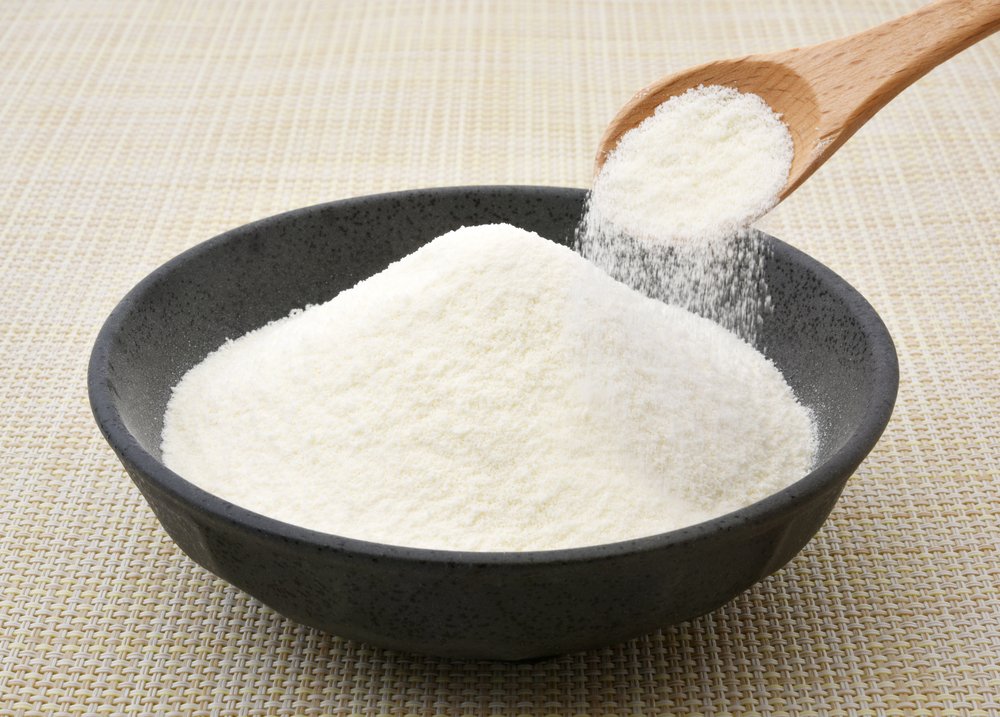
One of the most efficient ways to provide “usable” hydroxyproline is through collagen peptide supplements. These products are designed for optimal absorption and contain a specific type of collagen that has been hydrolyzed, a process that breaks down the protein into smaller, more manageable fragments. This results in bioactive peptides, including hydroxyproline, that can efficiently enter the bloodstream.
Wondering how much collagen you really need? It may be less than you expect! Research suggests that a daily intake of just 2.5 grams can significantly benefit skin and nail health.