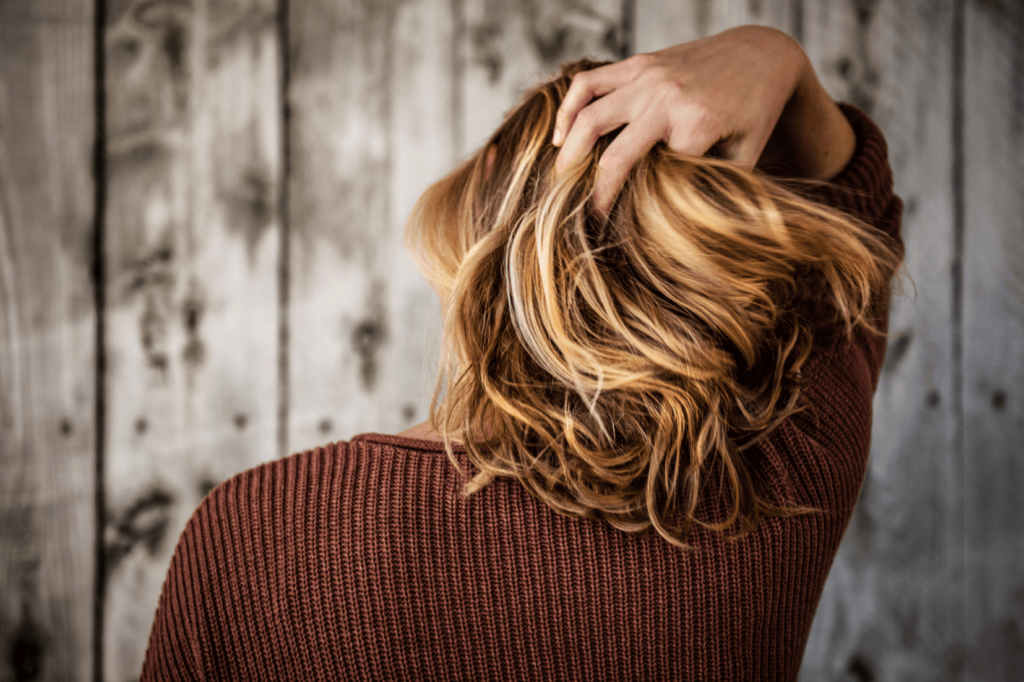
50 Shades of Coloring
Henna, derived from the Lawsonia plant, serves as a completely natural hair dye that has been utilized for approximately 5,000 years for tinting hair, skin, and nails.
If you’re undecided about which hair colour to pick, a temporary dye is recommended, as it can easily be washed out within one to two shampoos.
Semi-permanent hair color gradually fades with each wash, remaining intact for around six to twelve washes, making it a suitable option for quick changes or covering up early grey hairs.
If you need full coverage that lasts for weeks, opt for permanent hair colour. However, be aware that most of these products contain hydrogen peroxide, which can cause damage over time and result in a flat, uniform appearance.
Herbal vs. Traditional
Ammonia is a prevalent component found in many conventional hair dyes, recognized for its ability to penetrate the hair cuticle and impart colour. However, its harshness can lead to damage and fragility, resulting in dry and unhealthy-looking hair.
This concern has led to a growing trend towards herbal hair dyes, which utilize botanical or floral extracts to achieve a gentler coloration without causing harm.
Dos and Don’ts of Dyeing
- Avoid chemical additives such as ammonia, resorcinol, alcohol, parabens, and synthetic fragrances.
- Eliminating ammonia reduces the likelihood of skin absorption and allergic reactions.
- Look for hair dyes with lower peroxide levels, available even in natural products; check labels for minimal amounts to protect hair integrity.
- Seek out organic colour ingredients that use pure plant-based pigments to nourish and condition the hair while offering vibrant and long-lasting colour.
- Ensure the product is skin-safe before purchasing by verifying its dermatologically tested status, especially for sensitive skin.
This article originally appeared in the May 2020 edition of Intomodel Canada.