
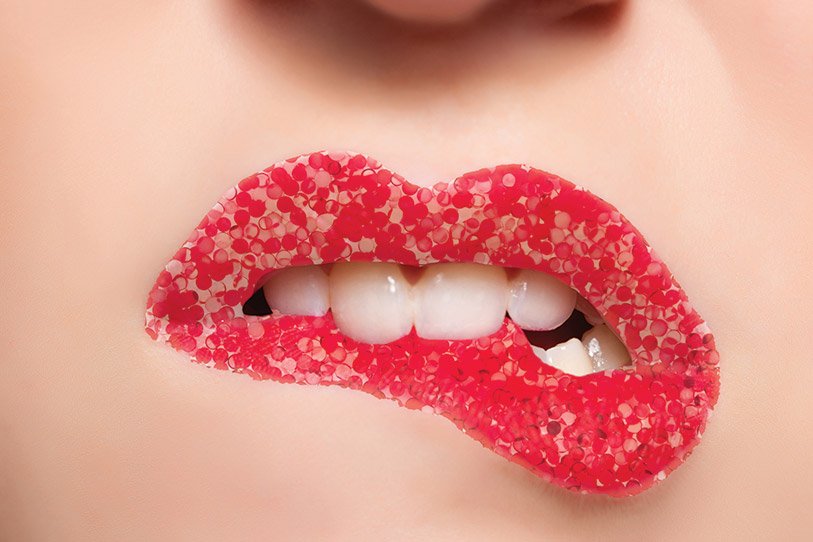
Plastic has made significant changes in our daily lives, permeating everything from vehicles to smartphones. Its prevalence extends to unexpected products like toothpaste, body scrubs, deodorants, and lip gloss.
Microbeads in Personal Care
Small plastic particles known as microbeads are often included in various personal care items, intended to enhance the whitening of teeth and smoothness of skin. Despite their tiny size, these microplastics are posing significant risks to wildlife, ecosystems, and possibly human health.
Microbeads: A Draining Concern
Microbeads, present in several cosmetics like soaps, lotions, shampoos, eyeliners, sunscreens, and deodorants, are promoted for their exfoliating benefits. With sizes smaller than one millimetre, they easily pass through water treatment systems and end up contaminating our water resources directly from household use.
Microbeads in Aquatic Ecosystems
Studies reveal that microbeads are increasingly found in oceans, lakes, and on beaches. They do not decompose, making removal from aquatic systems nearly impossible. This leads to their consumption by fish, birds, and other animals, eventually entering the human food chain, where individuals might unknowingly ingest these microplastics along with harmful toxins.
Bill Wareham, the western region science projects manager at the David Suzuki Foundation, states, “People often don’t connect the dots between personal care products and potential toxins, thinking they’re safe for their skin.”
He explains that marine animals such as plankton, fish, and birds may confuse plastic microbeads with food, resulting in ingestion, which in turn introduces harmful chemicals into their systems—often accumulating in the fat of the animals we consume.
Moreover, when consumed, these microplastics can create the sensation of fullness in animals that are filter feeders, like clams and mussels. “This isn’t real nourishment, leading to dehydration and starvation,” according to Environmental Defence.
Toxic Microplastic Sponges
The situation is exacerbated by the capacity of these plastic fragments to absorb other hazardous pollutants, therefore increasing their toxicity to the marine species and birds that digest them. These microplastics progressively accumulate in larger predators like tuna and swordfish—species typically consumed by humans.
Ubiquity of Microbeads in Water Bodies
Ongoing research continues to assess the distribution of microbeads and their adverse effects on wildlife and ecosystems.
Insights from the Great Lakes
The organization 5 Gyres found an alarming average of 43,000 microbeads per square kilometre in the Great Lakes, with city areas reaching concentrations of 466,000. Some locations in these lakes rival the microplastic densities typically observable in vast oceanic gyres, as reported in a 2015 study published in the Journal of Great Lakes Research. Lake Erie notably demonstrates the highest levels of microplastics among the Great Lakes.
Research by the David Suzuki Foundation uncovered an average of 20 pieces of plastic in medium-sized fish from Lake Erie, with cormorants (which consume fish) averaging 44 pieces each.
Even more alarming, initial findings suggest that certain plastic debris collected from Lake Erie contains harmful substances such as polycyclic aromatic hydrocarbons (PAHs) and polychlorinated biphenyls (PCBs), both linked to cancer and birth defects, based on the 2015 Journal of Great Lakes Research findings.
Insights from the St. Lawrence River
Scientists have identified microbeads at the sediment bottoms of the St. Lawrence River, with some areas showing over 1,000 microbeads per litre of sediment—comparable to some of the world’s most polluted ocean floor sediments, as noted in a recent study in the Canadian Journal of Fisheries and Aquatic Sciences.
Progressing Towards Microbead Reduction
With increasing awareness among environmentalists, scientists, and health-conscious Canadians about the impact of microbeads, there’s momentum for change.
This year, New Democrat MP Megan Leslie tabled a motion in the House of Commons advocating for the inclusion of microbeads on the list of toxic substances under the Canadian Environmental Protection Act. This motion, which received unanimous support, awaited subsequent action at the time of reporting.
Leslie emphasizes, “Microbeads serve no purpose. The negative effects on marine ecosystems and wildlife are well documented, and urgent action is necessary to regulate their use.”
Environment Canada is currently conducting a scientific review on the environmental impact of microbeads.
In the United States, states like Illinois and New York have outlawed the sale of products containing microbeads. Additional states, including Minnesota, Ohio, and California, are considering similar legislative measures. Quebec’s Green Party advocates for provincial action, while Toronto has sought a ban on microbeads in personal care items.
Some companies have responded positively, eliminating microbeads from their formulations and, in certain cases, substituting them with biodegradable options. L’Oréal and Johnson & Johnson are among those committed to phasing out the use of microbeads in their products.
How You Can Help
To contribute toward eliminating microbeads, the nonprofit organization 5 Gyres has initiated a petition requesting companies to replace microbeads with natural alternatives: visit 5gyres.org/microbeads.
In addition to avoiding products containing microbeads, the David Suzuki Foundation’s Wareham suggests reaching out to Members of Parliament to advocate for a comprehensive ban on microbeads.
“Public backing is essential,” he stresses. “It’s important to communicate to the government our desire to keep our waterways free from plastic pollution and to hold the industry accountable. Advocacy through letters, emails, and public presence can inspire change.”
Engagement with cosmetics brands directly to express opposition to microbeads is encouraged as well.
Healthy Alternatives to Microbeads
Before the introduction of plastic microbeads, numerous natural substances offered beneficial exfoliation, and these alternatives continue to exist.
Options like oatmeal, crushed walnut shells, apricot pits, powdered pecan shells, bamboo, baking soda, and sea salt provide the ideal texture for skin exfoliation.
“Alternatively, one could revert to using soap with a washcloth,” suggests Bill Wareham. “It’s a simple yet effective return to basics.”
Ingredients to Monitor
There are two primary ingredients to be aware of in personal care items that typically contain microbeads: polyethylene and polypropylene. “If these appear on the label, it indicates the presence of plastic microbeads,” warns Bill Wareham.
Microbeads can also be derived from polyethylene terephthalate (PET) and polymethyl methacrylate (PMMA).
The Beat the Microbead campaign provides a freely downloadable resource listing personal care products in Canada that include microbeads. Some examples from a recent survey included Aveeno’s Skin Brighten Daily Scrub, Clearasil’s Daily Facial Scrub, and Neutrogena’s Oil-Free Acne Wash.