
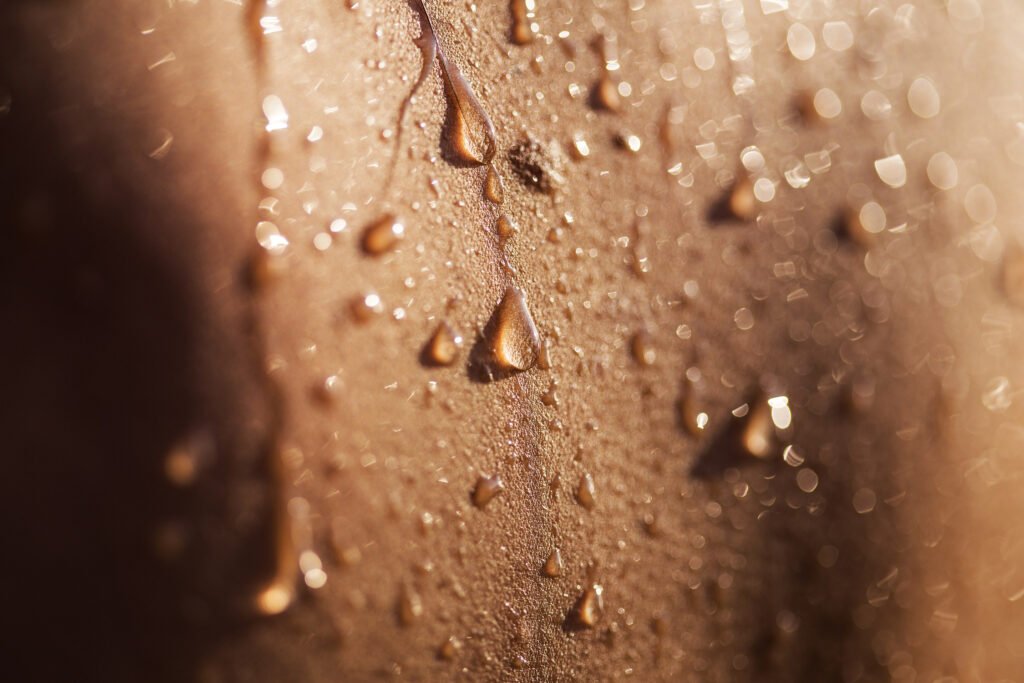
Our skin comprises about 30 percent water, and maintaining this hydration is crucial for a vibrant and healthy appearance.
The Role of Water in Skin Health
The water content in our skin plays a vital role in keeping it firm, flexible, and protected from environmental factors. Research indicates that a decline in skin hydration correlates with increased wrinkles. Scary thought, right?
However, enhancing skin hydration can significantly improve its texture and appearance and may even reduce aging signs like wrinkles. Are you knowledgeable about how to retain moisture in your skin? You might find the answers enlightening!
No Need to Overindulge in Water for Skin Hydration
While staying hydrated is crucial, simply adhering to the myth of drinking eight glasses a day doesn’t guarantee improved skin quality. This commonly held belief lacks scientific support.
Studies reveal that those who are chronically dehydrated can benefit from increasing their water intake to enhance skin thickness and density, but over-hydration could be unnecessary and ineffective. Additionally, adequate hydration alone does not prevent skin aging signs like wrinkles.
How can we assess our hydration levels? A simple method is to monitor the color of our urine—pale yellow or clear indicates proper hydration. Also, it’s essential to remember that many foods, especially fruits and vegetables, contribute to our overall water intake.
Other Ways to Retain Skin Moisture
So, what contributes to maintaining moisture in our skin? It begins with our cleansing routine. It may sound counterintuitive, but the natural oils (sebum) produced by our skin are essential for hydration.
Over-scrubbing or using harsh cleansers strips away these oils, leading to dryness as moisture escapes. The answer lies in choosing a gentle cleanser free from alcohol, sulfates, and harsh fragrances.
Proper moisturizing techniques are equally vital. Below are key categories of ingredients that can help seal moisture in the skin.
Occlusives
These are materials that form a barrier to lock in moisture, including various waxes like beeswax, candelilla wax, and carnauba wax.
Humectants
These ingredients draw water into the skin and include substances like glycerin and hyaluronic acid known for enhancing skin hydration and reducing wrinkle depth.
Emollients
While they don’t directly retain water, emollients smooth the skin’s surface and are valuable in moisturizers. Common examples include plant oils and butters like shea and cocoa butter.
Using a humectant without an occlusive may actually lead to moisture loss, so it’s essential to choose moisturizers that incorporate both types. Luckily, many excellent options containing all three of these ingredient types can be found in natural health stores.
Understanding Water’s Role in Skincare Products
Interestingly, water is not always an effective ingredient in skincare formulations. In moisturizers, its presence necessitates the inclusion of preservatives, limiting the space for beneficial active ingredients.
When applied topically, water can also have the opposite effect, potentially causing dryness as it evaporates. This emphasizes the importance of applying moisturizer after showering or bathing.
Facial Mists: A Boost for Your Skincare Regimen
Conversely, facial mists can be excellent for hydration if they contain supportive ingredients and are used properly. Various beauty experts praise their multi-functional uses, including makeup setting, skin toning, refreshment, and preparation for makeup.
Mists with ingredients like botanical extracts, vitamins, emollients, and humectants can be used without needing to blot off, while pure thermal or mineral waters should typically be patted dry after a few minutes. Always choose mists that are free of synthetic fragrances, alcohol, and parabens and are suited for your skin type.
The Quality of Water Matters for Your Skin
Not all water is equally effective for skin care. It’s crucial to ensure that the water temperature is not too high, as hot water can disrupt the natural oil layer on the skin, leading to moisture loss.
Additionally, hard water has been associated with skin issues like dermatitis. Some individuals living in areas with hard water invest in water softening systems, while others find that showering with filtered water benefits their skin.