
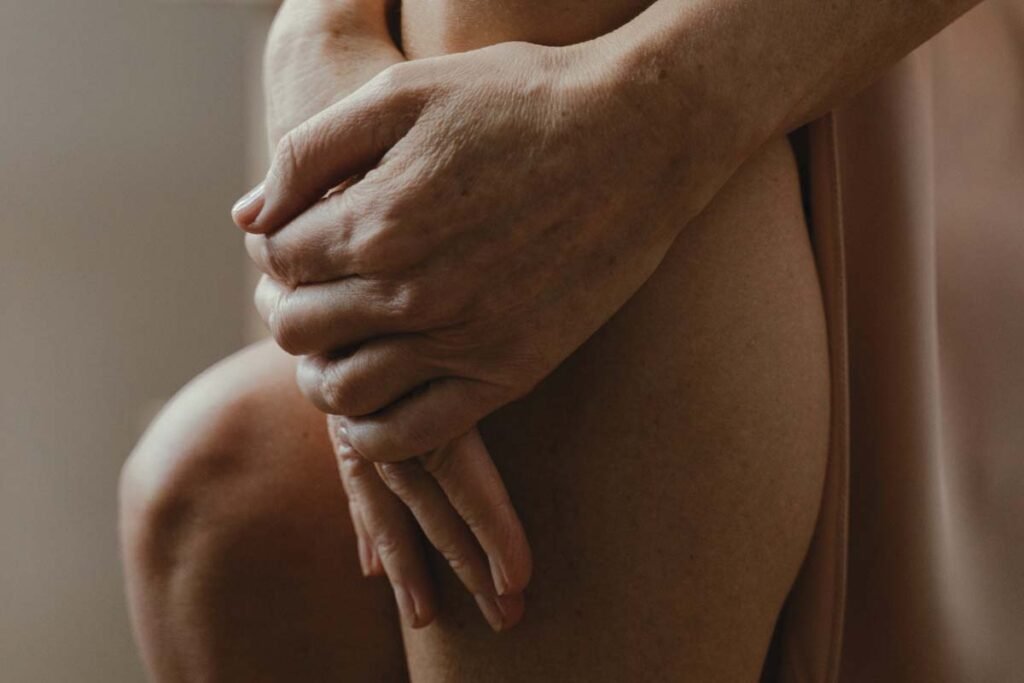
The skin, covering approximately 30 square meters, is the largest organ in the body, serving as a crucial barrier against environmental threats such as UV rays, moisture, bacteria, and stress. Are you taking the necessary steps to protect this vital component of your immune system?
Understanding Skin: A Multifaceted Protective Layer
The skin consists of three primary layers: the epidermis, the dermis, and the hypodermis.
Epidermis
The visible outermost layer of skin is the epidermis, which can be as thin as tissue paper yet contains five distinct sublayers. The topmost layer, called the stratum corneum, acts as the first line of defense for the immune system.
In the stratum corneum, cells known as corneocytes are embedded in a lipid matrix (comprised of ceramides, cholesterol, and free fatty acids), creating a structure reminiscent of bricks set in mortar. This design is crucial for blocking foreign invaders while retaining moisture.
Keratinocytes are the predominant cell type within the epidermis, aiding in the conversion of cholesterol precursors to vitamin D—an immune-boosting vitamin—through exposure to UVB rays. Additionally, Langerhans’ cells, which are mobile, transport pathogens to lymph nodes, contributing to immune response.
Dermis
Situated beneath the epidermis, the dermis is a robust layer filled with collagen for structural support and elastin for skin flexibility. Nerve endings embedded within this layer help protect against harm by signaling pain, as in the case when touching a hot stove.
Hair follicles emerge from the dermis and serve as a site where dendritic and T-cells congregate to monitor for threats.
This layer also contains oil and sweat glands, which may seem bothersome at times, yet are essential for bolstering immune defenses. Oil plays a key role in sealing hair follicles to block harmful microbes from penetrating deeper layers, while sweat regulates body temperature.
Hypodermis
The hypodermis, or subcutaneous layer, represents the deepest part of the skin and is composed largely of connective and fatty tissues. It facilitates smooth movement over underlying tissues and muscles while acting as a cushion. This layer also aids in thermoregulation by insulating the body against cold temperatures.
The Microbiome of Skin
The skin’s ample surface area is home to countless beneficial microbes, which provide an additional protective layer by preventing harmful pathogens from colonizing or invading.
Low levels of commensal bacteria are typically observed when pathogenic bacteria take hold. A person’s skin microbiome begins to develop shortly after birth, with bacterial populations being specific to individual areas and remaining relatively stable over time.
Compromising the Barrier
Despite its protective nature, the skin barrier can become weakened, often beginning with moisture loss. Water constitutes about 60% of an adult’s body and is essential for cellular function.
A reduction in hydration can lead to skin issues such as atopic dermatitis and premature aging. To keep your skin in prime condition, it is vital to drink sufficient water and reduce transepidermal water loss (TEWL), which is the moisture loss through evaporation. Numerous factors can hinder this objective.
Impact of Stress
Stress can lead to a decrease in lipids and proteins essential for skin structure, lower hydration levels in the stratum corneum, and increase TEWL. In essence, stress can contribute to aging.
Effects of Pollution
Environmental pollutants can also undermine the skin’s barrier and heighten TEWL. Research indicates that pollution may trigger or exacerbate allergic skin disorders like atopic dermatitis.
Topical Products
The skincare products we apply can disrupt the skin barrier. Common foaming agents like sodium lauryl sulfate and sodium laureth sulfate may strip the skin of essential moisture and cause irritation. Alcohols such as isopropyl alcohol and propanol can further deplete moisture and result in discomfort.
This article originally appeared in the April 2022 issue of Intomodel.