
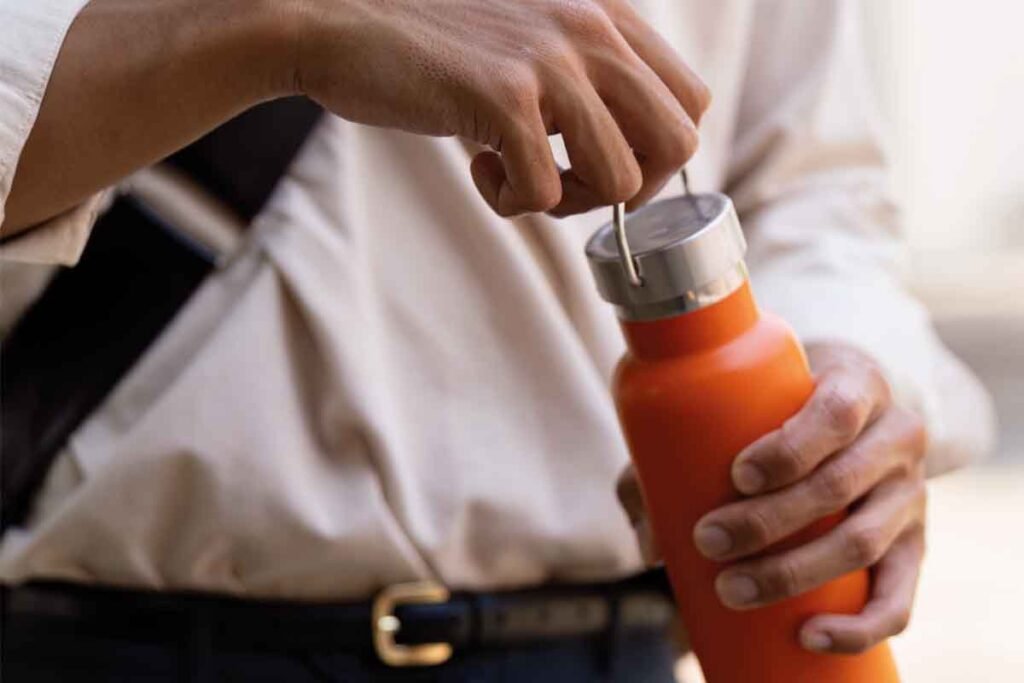
As summer approaches, millions of Canadians seize the opportunity to travel, whether it’s overseas or on a scenic drive through the Prairies. Amid planning your itinerary and gathering essentials such as sunscreen, it’s essential to prioritize a crucial aspect of healthy travel you might overlook: a solid hydration strategy—and, of course, your trusty water bottle.
The Importance of Staying Hydrated for a Memorable Vacation
Feeling under the weather during or after your travels is common, affecting around eight out of ten Canadians, depending on the destination. This can be attributed to several factors, many of which are mitigated through proper hydration.
Boosting Immune Health
Airplane cabins are notorious for containing germs. Staying hydrated can enhance your immune system’s efficacy. Proper hydration keeps mucous membranes in your sinuses well-moisturized, enhancing their ability to ward off viruses. Additionally, drinking water helps eliminate toxins accumulated during your travels, from harmful bacteria to greasy poolside meals.
Combatting Jet Lag and Fatigue
Don’t let those late-night flights sap your energy and enjoyment of your destination. Deprivation of quality sleep can weaken your immune response. Staying hydrated may assist in enhancing your sleep quality and alleviating the effects of jet lag.
Adjusting to Different Climates
Destinations like Cuba and Mexico are favored among Canadian travelers, and ensuring proper hydration is vital to guard against heat-related health problems.
Though hydration’s benefits during travel are clear, the act of traveling can significantly jeopardize your hydration levels.
Traveling with Dehydration Risks
“Dehydration during travel is a frequent problem,” cautions registered nurse Valerie Creel. The issue is magnified when flying.
“Airplane cabins feature a significantly lower moisture level due to air sourced from outside for cabin pressurization, coupled with high altitudes, which naturally dries the air,” explains Creel. “The environment inside aircraft cabins usually operates at around 5% to 20% humidity, whereas a typical home maintains around 40% to 60%.”
The outcome? Quicker loss of water simply by being airborne.
Even without flying, traveling can be a drain on your hydration.
“It’s common to become dehydrated while on the go, as travel disrupts routine, confronts us with diverse climates, and tends to increase physical activity (consider navigating through airports or hauling luggage),” explains Stephanie Webb, a Niagara Falls tour guide.
“Along with a busy travel itinerary, unfamiliar water sources, and occasional overindulgence (hello, cocktails!), it’s unsurprising that many feel fatigued and dehydrated,” Webb notes.
Integrating Hydration into Your Travel Preparation
Before you pack your vehicle, make sure you consume plenty of water and organize your hydration plan.
“While planning their travels, people tend to focus on logistics, often ignoring hydration,” says Amy Neary, CEO of a network of IV hydration therapy clinics.
“However, maintaining hydration is among the simplest and most effective ways to support your body while traveling,” Neary emphasizes. “Signs of dehydration can manifest in various forms: fatigue, headaches, brain fog, digestive problems, and even a compromised immune system—none of which you want to face in a new environment. Make hydration a priority on your packing list, right beside your passport.”
This article first appeared in the July 2025 issue of Intomodel magazine.