
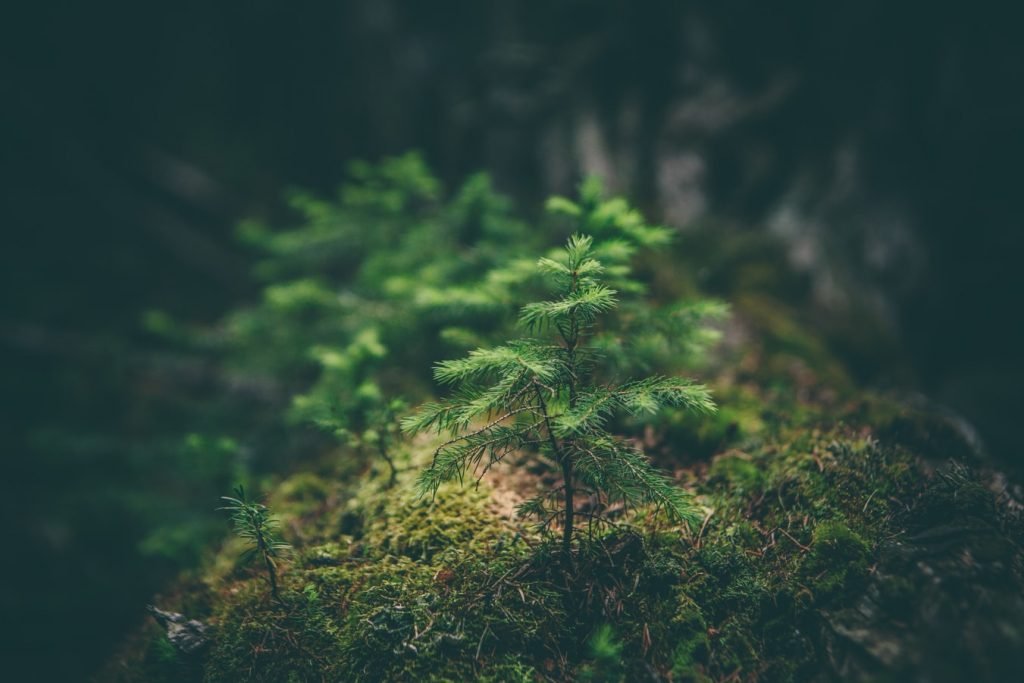
What role does love play in sustainability? Everything! It’s essential to rekindle our passion for the Earth and prioritize sustainability in our daily lives. By connecting with our admiration for the planet, we gain a deeper understanding of our environment and how to safeguard it.
From the heart
When the responsibility of protecting the Earth feels like a burden driven by guilt or fear, it can be disheartening and exhausting. However, if we view sustainability as an expression of love, this meaningful bond can lead to fulfillment and enable us to create lasting change for future generations.
Green living expert Lindsay Coulter (@SaneAction), a community advocate and co-founder of Victoria, BC’s EPIC Learning Centre, emphasizes the importance of emotions like love in the realm of sustainability. She states, “Emotions are crucial to reason. They are part of our human experience and guide us on what truly deserves our attention. Without skills to process emotions, how can we confront the world’s suffering?” She warns against acting out of negative emotions like guilt, asserting, “Guilt is a luxury; we simply don’t have time for that. Choose love instead.” Toko-pa Turner, in her book Belonging (Her Own Room Press, 2017), discusses the importance of reconciling our connection to the Earth and the pain we feel from being separated from what we love—our Mother Earth.
Early beginnings
Research indicates that children who spend significant time outdoors develop a lasting desire to protect nature. According to a press release from a 2017 study by the University of British Columbia, “87 percent of participants who played outside as kids expressed a continued love for nature in adulthood, and 84 percent emphasized that caring for the environment is a priority.”
An earlier study from 2006 highlighted the significance of “wild” play in nature, which entails free, unstructured activities that allow children to fully engage with their surroundings—imagine a carefree afternoon spent digging in soil and crafting flower crowns.
Nurture your relationship
What if you’re no longer a child—is connecting with nature still significant? According to Coulter, it is essential. “Spending time outdoors brings you back to your core and helps alleviate a profound sense of disconnection,” she notes. “Seek out the magic in each day. Find moments of beauty and wonder. In nature, you come to understand that there’s more to the world than just yourself!”
Coulter points to Joanna Macy’s “Work That Reconnects” (available at workthatreconnects.org), which focuses on group activities designed to inspire involvement in global healing. “For instance,” she adds, “imagine that every entity you encounter—the rock, the moss, the tree—holds its own narrative. Engage with them as if they were alive and appreciate their presence. Communicate softly with the trees, share gratitude aloud, show respect, and wish well upon them without trying to change them.”
Even as adults, we can participate in enriching our connection to nature through various activities. Here are some suggestions to inspire you:
- stargazing
- birdwatching
- gardening
- skiing, snowboarding, or snowshoeing
- outdoor meditation or yoga
- hiking
- camping
- identifying wild plants or mushrooms
- foraging
- watching sunrises and sunsets
Show Mother Nature you care
Individual actions are significant. For those just starting their environmental journeys, consider these eco-friendly tips:
- Plant trees.
- Minimize food waste.
- Conserve water.
- Learn to repair clothing.
- Reduce plastic consumption.
- Step away from fast fashion and habitual shopping.
- Support second-hand markets or local artisans.
- Engage in active transportation such as biking or walking.
- Explore environmental literature.
Spread the love
Coupling personal eco-actions with collective efforts is crucial. This notion circles back to love; engaging together, we act from a place of love for our shared environment and its inhabitants.
While adopting eco-friendly habits like using reusable water bottles is commendable, acknowledging broader issues like advocating for clean water access for all communities—including those in First Nations without clean supplies—is equally vital.
Start by embracing what you love. For instance, if you enjoy purchasing local, organic produce (while avoiding plastic), you might consider volunteering with a group focused on improving food security in your area.
Here are some examples of collaborative eco-initiatives that can help deepen our connection with our environment:
- Establish a community garden.
- Organize a clothing swap.
- Create a “buy nothing” group locally.
- Plan a shoreline cleanup or litter pick-up event.
- Get involved with local volunteer opportunities.
- Share your skills, such as knitting or foraging, with others.
- Attend local meetings and town halls (many are virtual).
- Reach out to your political representatives to express your concerns.
- Contribute to environmental or social initiatives.
- Encourage others to participate.
The natural world is a magnificent place that deserves our love, respect, and care. This February 14th, and every day, let’s commit to loving our planet—and its inhabitants—with all our hearts.