
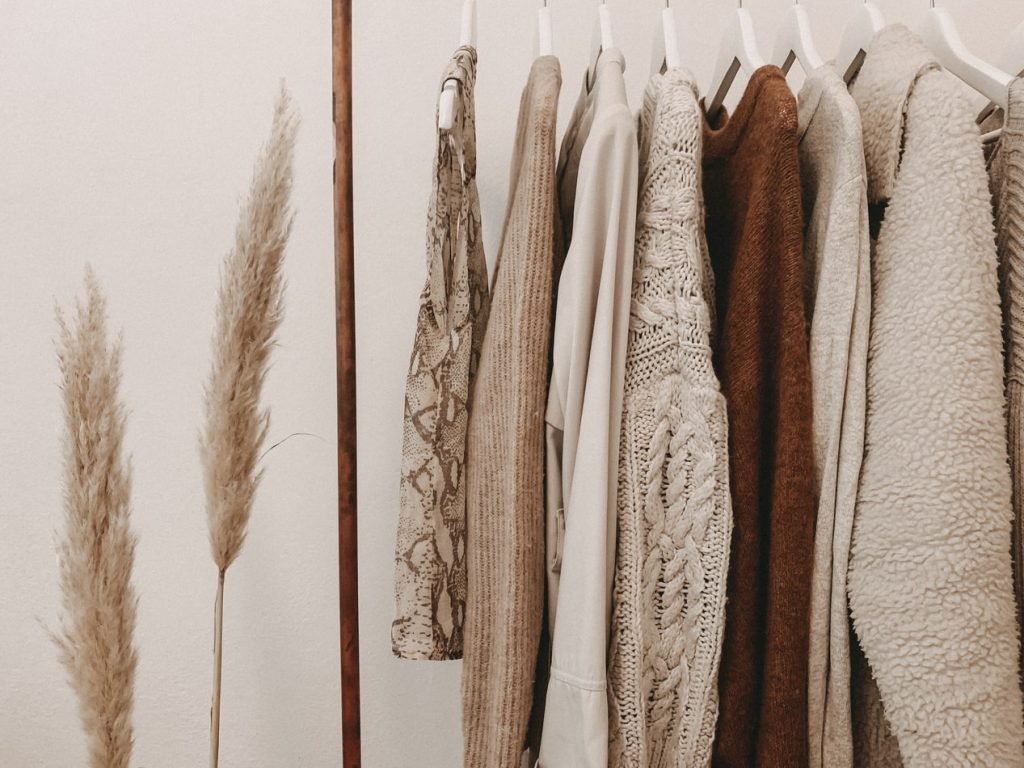
How extensive is your wardrobe? Today, the average individual acquires 60 percent more clothing compared to 15 years ago, yet overall spending on apparel by families has decreased. This fixation on fast, affordable, and easily disposable fashion is detrimental to both our communities and the environment. Here’s how we can take a stand.
Understanding “Fast Fashion”
The concept of fast fashion emerged in the 1980s and 90s, introducing a production method that allows consumers to access trendy and affordable garments. Although these styles may align with the latest fashion trends, they have a short lifespan, which leads to increased repurchase frequency among consumers.
“In the past, fashion followed four distinct seasons: fall, winter, spring, and summer,” notes Candice Batista, an environmental journalist from Canada and founder of The Eco Hub (theecohub.ca).
“Now, fast-fashion brands introduce new items between 52 and 104 times per year. It’s impossible for consumers to buy everything at retail price! It creates a cycle of constant sales, driven by a linear model of extraction, production, consumption, and disposal.”
Issues at Play
Clothing signifies more than just fabric; consumers must recognize the resources and labor invested in each piece.
“Think about the impact of producing a cotton T-shirt,” says Batista. “Consider the water, fertilizers, and pesticides required for cotton cultivation. The cotton is handpicked by individuals (often women or children in harsh conditions), then transported using fossil fuels, and manufactured into fabric.
“The fabric is shipped again to create the garment, which is then sent to stores. We then see T-shirts priced at $5 and impulsively buy multiple colors, only to wear them infrequently before discarding them.”
Who is Behind Your Clothing?
Many recall the tragic 2013 Rana Plaza collapse that resulted in the deaths of 1,134 people and left many others injured in a garment factory in Bangladesh. This disaster highlights the grim realities of labor conditions in the fashion industry globally and is far from an isolated incident.
“Fashion relies heavily on labor, with 80% of workers being women from developing countries, often receiving wages well below the local living standards,” states Batista. Unfortunately, child labor remains a persistent issue within the supply chain, and workers frequently face health risks due to exposure to harmful chemicals.
“Supporting Black, Brown, Indigenous, and other marginalized communities is crucial,” Batista emphasizes. “The vast majority of garment workers are BIPOC women and children. Our world is interconnected; understanding the broader consequences of our choices is essential.”
What Your Clothes Consume
Water
Consider this: approximately 2,700 liters of water are necessary to produce just one cotton T-shirt—sufficient for a person’s hydration needs for two and a half years.
Nonrenewable Resources
Each year, around 98 million tonnes of nonrenewable materials, including petrochemicals, are used in clothing production. “Synthetic garments are derived from fossil fuels,” Batista clarifies. “From production to transport, fashion significantly contributes to climate change.”
Dyes
Furthermore, many textile dyes are hazardous. The United Nations reports that the fashion sector is responsible for 20% of global wastewater, polluting waterways with dyes and chemicals.
Microplastics
Lastly, consider microplastics: the small plastic particles shed from synthetic garments like polyester and nylon during laundering. A 2018 study revealed that Metro Vancouver alone contributes approximately 30 billion microplastic particles to its waterways annually, with 1.8 trillion plastic bits filtered out by wastewater treatment plants. These microplastics infiltrate our water systems, ultimately entering our food chain through seafood and drinking water.
What Happens to Inexpensive Clothing?
Clothing disposal represents another disheartening reality. The Ellen MacArthur Foundation estimates that a truckload of clothing is discarded every second, either ending up in landfills or being incinerated.
Investigative reports reveal troubling practices in the fast-fashion industry, with numerous companies found to discard or incinerate unsold merchandise and returned items. A 2019 investigation by Corporate Knights uncovered that it is often cheaper for companies to throw away returns than to assess their resale potential.
As for donated items? While donating seems like a noble act, the reality is there is an overabundance of supply and insufficient demand. In fact, a report from Metro Vancouver found that only 20-25% of donated clothing is repurposed or resold locally.
And those recycling initiatives from large fast-fashion brands? According to an article in the Guardian, companies like H&M produce more new garments in 48 hours than they can sustainably recycle in 12 years. Given the massive output of fashion brands, many of these sustainability claims can be classified as greenwashing.
“They entice customers to purchase more by offering gift cards when you recycle your clothes!” Batista observes. “It’s a classic example of greenwashing. The recycled items are rarely made into new clothing.”
Addressing the Crisis
As consumers, we have the power to challenge the constant influx of poorly made products. Here are some strategies to consider.
Reduce your Purchases
It’s critical that we consume resources at a much slower pace. Consider thrift shopping for needed items, helping to conserve resources.
Emphasize Quality Over Quantity
When making new purchases, opt for well-constructed items made from high-quality materials. Check if warranties exist or if repairs are possible later.
Choose Sustainable and Ethical Options
Sustainable and ethical shopping can take many forms, such as:
- supporting local, small-scale designers
- seeking clothing made from sustainable materials (like organic cotton, linen, or hemp), or upcycled items, and using non-toxic dyes
- selecting garments certified by Fairtrade, RWS (for wool), GOTS organic, OEKO-TEX®, or BLUESIGN
Care for Your Garments
Familiarize yourself with the laundry symbols on clothing labels and adhere to them; treat stains promptly.
Repair Your Clothes
You can either mend items yourself (search for “visible mending” techniques) or enlist professional help for more complex repairs (especially for bags and shoes).
Dispose Responsibly
Share your clothing with others (consider hosting a clothing swap!); save items for crafting or mending; use them as cleaning rags; donate with care; or explore local textile recycling initiatives.
Our Choices Matter
“Mindfulness in consumption is key,” emphasizes Batista. “While often regarded as a trendy term, it essentially involves recognizing the impact of our actions and avoiding choices that harm others. If you sew, you intimately understand the effort, detail, and care that goes into creating an item, which is truly significant.”