In the second installment of our three-part series on immune health, we provide a comprehensive review for our well-informed readers about effective strategies to shield yourself and enhance your immune system against viruses and infections.
Feeling Stressed?
It is well-known that excessive busyness and heightened stress levels can weaken our immune defenses, making us more prone to infections. Conditions like colds, flu, and various viruses tend to emerge when we overextend ourselves.
Amid global pandemic concerns, our already hectic lives come with additional stressors. However, techniques to alleviate stress, such as yoga, qi gong, tai chi, mindfulness exercises, meditation, or regular workouts, can significantly lower stress levels and subsequently decrease the likelihood of illness.
Additionally, herbal remedies known as adaptogens could be beneficial, as they help the body manage and recover from stress effectively.
Need Extra Support?
Siberian ginseng (Eleutherococcus senticosus)
Research suggests that Siberian ginseng helps the body cope with challenging physical states and enhances cognitive performance.
Ashwagandha (Withania somnifera)
Ashwagandha aids in correcting imbalances in the neuroendocrine and immune systems, notably reduces anxiety and stress levels, and regulates neurotransmitter signaling by inhibiting stress pathways in the brain.
Rhodiola (Rhodiola rosea)
Rhodiola has been shown to safeguard the heart against irregular heartbeats and damage associated with high stress hormones, while also improving sleep issues, fatigue, and overall wellness.
Asian ginseng (Panax ginseng)
This adaptogen supports cognitive abilities, reduces mental fatigue during stressful periods, enhances alertness, alleviates stress-related anxiety and depression, and can help combat inflammation connected to stress.
Get Active
Regular exercise is a strong ally for your immune system, especially for those experiencing stress. Numerous studies have highlighted the beneficial impact of physical activity on the frequency and severity of illnesses such as colds and flu.
One study discovered that individuals who engaged in aerobic activities and maintained physical fitness saw a 41 percent decrease in the severity of upper respiratory tract infections and their associated symptoms compared to sedentary individuals.
Prioritize Quality Sleep
Numerous studies underscore the critical role of sleep in maintaining a robust immune system. Research shows that in experiments where participants were deliberately exposed to a virus that causes colds, those who averaged less than seven hours of sleep per night or experienced poor sleep quality were three to five times more likely to contract an infection. Seek assistance if you’re struggling to achieve sufficient rest.
Focus on Nutrition
While maintaining a balanced diet is essential at all times, it becomes even more crucial when defending against viruses and infections. A diet rich in whole foods, including fresh fruits and vegetables, significantly enhances immunity. Stock your pantry with these nutritious items.
Stock Up On These Essentials
Tofu, Turkey, or Tahini
Protein is crucial for immune health. Diets high in protein can help shield against infections, particularly when our bodies are under stress. Ensure that you include a source of protein in every meal and snack throughout the cold and flu season.
Incorporate Colorful Vegetables
Bioflavonoids, potent plant compounds found in vibrant foods like blueberries, tomatoes, and cabbage, can decrease the incidence of infections by up to 33 percent, providing another compelling reason to include fruits and vegetables in your diet. Consider adding greens supplements in powder form to your smoothies for easy intake.
Sweet Relief
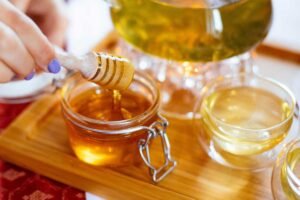
Manuka honey—a versatile food item that can aid in healing and act as a cough suppressant—may outshine conventional medications in alleviating cough and enhancing sleep for children suffering from colds. In adult studies, a honey and coffee mix outperformed steroid-based treatments, making it a tastier option (try the recipe and see for yourself)!
250 g (approximately 3/4 cup) Manuka honey, 35 g instant coffee (around 6 1/2 tablespoons)
Mix honey and coffee thoroughly, then add 1 tablespoon (15 ml) of the mixture to a cup of warm water, three times daily.
Hand Hygiene
Handwashing remains the most effective method for safeguarding yourself and others from illness. Here are some reminders on when and how to properly wash your hands.
When to Wash Your Hands
- Before, during, and after meal preparation
- Before consuming food
- Before and after looking after someone who is unwell
- After coughing, sneezing, or blowing your nose
- After using communal items
- Before and after treating wounds or cuts
- After using the restroom
- Before taking out or putting in contact lenses
- Before flossing
- After assisting someone (like children) with personal care tasks
When Soap and Water Isn’t Available
If soap and water aren’t at hand, a hand sanitizer containing at least 60% alcohol can be a suitable alternative (always confirm the label).
- Apply the indicated amount to your palm.
- Rub your hands together thoroughly.
- Ensure to coat all surfaces of your hands and fingers until dry, which should take around 20 seconds.
How to Wash Your Hands Effectively
- Remove any jewelry from your hands or arms.
- Wet your hands under warm water.
- Use plain soap (antibacterial soaps are not necessary) and lather for 20 seconds (the time it takes to sing “Happy Birthday” twice).
- Clean both sides of your hands, in between fingers, and under your nails.
- Thoroughly rinse under warm running water for 10 seconds while rubbing.
- Dry your hands gently using a paper towel.
This article originally appeared in the June 2020 issue of Intomodel Canada magazine.