How you perceive your image can vary significantly based on your geographical location. Through a virtual journey around the world, we have compiled diverse cultural viewpoints along with natural health and beauty insights, and discovered various lifestyle and well-being trends in the process.
Global Insights
France—Embracing Natural Beauty
In France, the ideal is to embody an au naturel aesthetic. Yet, there is a tendency among the French to be discreet about their beauty routines, aiming to disguise the efforts behind their seemingly effortless beauty. Rather than masking flaws with cosmetics, many learn to care for their skin through effective cleansing and nurturing practices from an early age.
India—Wisdom of Ayurvedic Practices
According to Ayurvedic medicine, “true beauty emanates from a state of inner wellness that encompasses the mind, body, and spirit,” shares Professor Gayatri Kalia, an Ayurvedic expert.
Indians today often carry forward age-old Ayurvedic practices, but with a contemporary twist; these practitioners can tailor remedies based on one’s unique dosha, or personal constitution derived from diet and lifestyle habits.
This unique classification of doshas sheds light on varied skin conditions such as dryness or oiliness. Many modern cosmetic formulations have drawn inspiration from traditional Ayurvedic texts.
China—Traditional Chinese Medicine Insights
As stated by Sherry Fang Liu, a Traditional Chinese Medicine practitioner, “true beauty is a reflection of a harmonized internal system that enables optimal blood circulation and qi movement.”
She elaborates that we are instinctively aware of natural beauty, recognizing it through our intrinsic connection and the harmonious energy that resonates when around those who exude it.
Essential Beauty Practices
Kitchen Remedies—India
In India, beauty essentials can often be found in the kitchen. The sentiment is that if a product is for your skin, it ought to be safe enough to eat, as highlighted by Kalia. Such practices eliminate doubts about their safety.
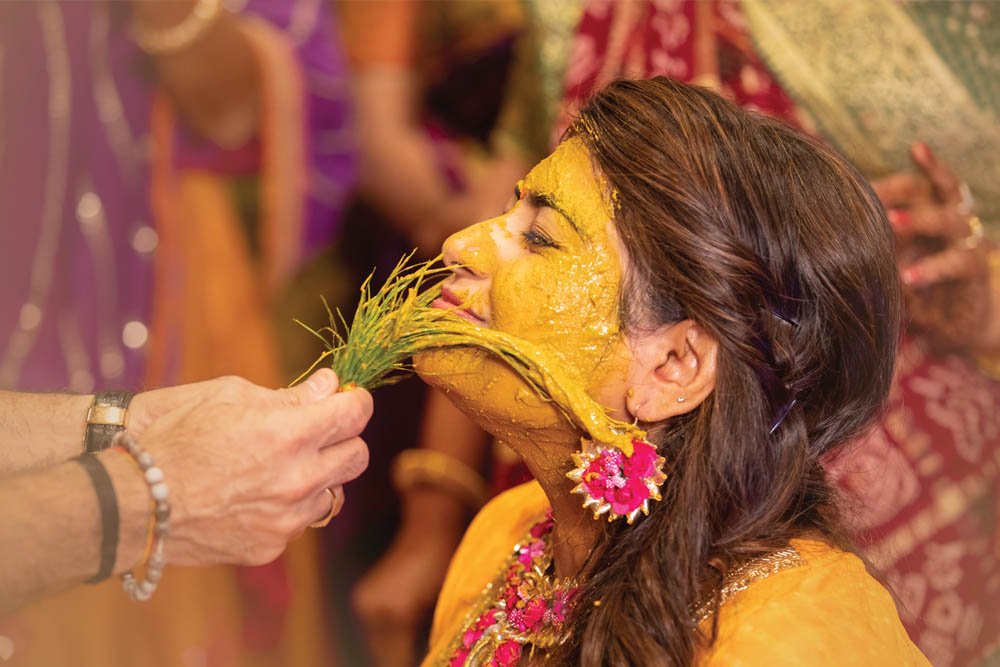
Traditional pre-wedding rituals for brides often involve a beautifying paste made from turmeric, chickpea flour, milk, and herbs like sandalwood.
Suggestion: For combating dryness, blend equal parts of virgin coconut oil with aloe vera and apply daily. “This blend targets wrinkles as they often stem from dry skin,” Kalia adds.
Facial Tools—China
Liu discusses the importance of health in preserving natural beauty. This includes stress management, adequate sleep, and steering clear of habits that lead to body imbalances, like excessive drinking or anxiety.
Tip: For enhancing facial circulation and minimizing puffiness, Liu recommends utilizing a jade roller, preferably chilled before application. “Begin rolling from the center outwards under the eyes and upward across the forehead,” she advises. The roller can also be utilized downward towards the neck to aid lymphatic drainage.
A gua sha tool, shaped like a smooth half-moon, is another beneficial aid for boosting circulation, providing a gentle massage to soothe tight muscles and mitigate tension-related wrinkles.
Coconut Oil—Brazil
Brazilians widely regard coconut oil as a solution for countering the detrimental effects of the sun and ocean on their skin and hair. Clinical research supports claims that virgin coconut oil can alleviate skin condition symptoms by moisturizing and soothing.
Trends in Natural Living for Enhanced Health and Beauty
Cycling Over Driving—Scandinavia/Netherlands
A 2018 report indicated that cycling accounts for over 25% of all trips in the Netherlands, with Denmark’s percentage being over 15%. In contrast, Canadian cycling rates fall below 5% of total journeys.
Cold Water Therapy—Russia
Many Russians practice cold water plunges, which typically last between one to five minutes. Participants report feelings of euphoria, enhanced immunity, improved joint health and skin, alongside a reduction in fat deposits and cellulite. However, Russian scientists advise caution regarding potential long-term harm from this method.
Immersion in Nature—Japan
The Japanese practice of forest bathing, known as shinrin-yoku, involves leisurely strolls through wooded areas while engaging all the senses. Breathing in the aromatic effects of trees is a significant aspect, complemented by visual and auditory experiences.
Scientific research supports the notion that forest bathing fosters positive physical and mental health outcomes, revealing reductions in heart rates and alleviation of negative emotions such as anxiety, depression, and fatigue.
Jjimjilbangs—South Korea
A visit to a jjimjilbang, a traditional spa with various bathing facilities (where water temperatures vary from about 38 to 42°C) and saunas, forms an integral part of South Korean wellness practices. Guests often unwind on mats made of hemp or minerals like jade and salt. Additionally, personal exfoliation is a favored activity; patrons can opt to scrub themselves or request assistance from an ajumma (“auntie”).