Since Canada legalized cannabis, its applications have extended into various products, including sweets, beverages, pet treats, and candles. Among these, beauty and self-care items are gaining traction.
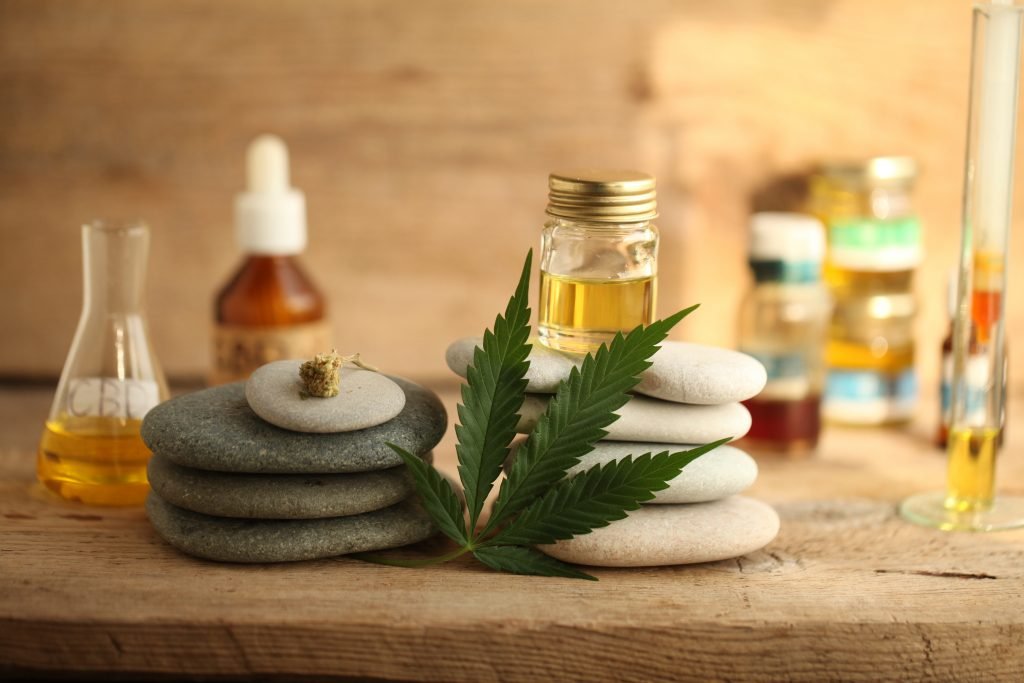
Cannabis, specifically cannabidiol (CBD), is poised to become a sought-after component in the beauty sector, appearing in a range of products such as facial masks, moisturizers, makeup, body washes, and more. Numerous prominent cosmetics brands in the US have introduced CBD-infused product lines, highlighting the growing trend of utilizing cannabis derivatives to enhance personal beauty and care.
What’s the Situation in Canada?
In Canada, cannabis derivatives used in cosmetics must either fall outside the definition outlined in the Cannabis Act or receive an exemption as per the Industrial Hemp Regulations.
This exemption stipulates that ingredients derived from the Cannabis sativa plant, known as “industrial hemp,” cannot contain concentrated phytocannabinoids or synthetic replicas.
Both CBD and tetrahydrocannabinol (THC)—known for their respective roles in cannabis—are phytocannabinoids. The deliberate addition of either to cosmetics is prohibited. Moreover, CBD is categorized on the Prescription Drug List, indicating that products with intentionally added CBD must adhere to a specific prescription approval process to be legally marketed in Canada.
Implications for Cosmetics
Cosmetics may include phytocannabinoids that naturally occur in minimal quantities within hemp. If a product contains THC, it must be at notably low levels—specifically, less than 10 μg/g (meaning utilizing CBD-infused creams won’t induce any psychoactive effects).
Such products are widely available both in retail outlets and through online platforms.
Potential Advantages
Currently, CBD beauty products demonstrate significant potential for addressing mild skin issues such as acne. Evidence suggests that CBD is a safe and effective anti-acne treatment comparable to pharmaceutical options that offer “triple” action, without substantial side effects.
Additionally, CBD is believed to possess anti-inflammatory and antioxidant properties, which may aid conditions like psoriasis or eczema, and could also reduce the visibility of wrinkles.
Researchers theorize that the endocannabinoid system in humans—natural receptors for cannabinoids—maximizes the absorbance and effectiveness of beneficial extracts.
Marketing Hype vs. Reality
While advocates for CBD-infused cosmetics highlight various benefits, many claims lack robust scientific backing due to insufficient research. For instance, marketing materials suggest that CBD-enriched mascara may enhance lash length, CBD lip gloss could moisturize lips, and CBD skin creams might diminish fine lines.
Investigations into these products are still in their infancy, particularly concerning their efficacy, long-term safety, interactions with other items, and potential impacts on sensitive groups like pregnant women.
Proceed with Caution
“CBD is currently a trending topic in cosmetics, but it’s still in its infancy,” remarks Saina Taidi, chair of the Society of Cosmetic Chemists, Ontario chapter, and senior global risk mitigation and agility manager at Estée Lauder.
“Ongoing research is essential. I wouldn’t recommend users to replace established products with CBD-oil-based alternatives, especially when they already benefit from antioxidants such as vitamin C or E. We still need to learn more about the various properties of this molecule. I’m not opposed to CBD but emphasize the need for thorough understanding.”
Taidi encourages consumers to conduct thorough research and ensure they have reliable information about any product prior to purchase, particularly when shopping online, as these items often face mislabeling. Studies have revealed some products contained less CBD than claimed, while others could be potentially unsafe.
“Sometimes products are produced in small labs and sold through websites lacking oversight from Health Canada or the US FDA,” warns Taidi. “When shopping through social media, it’s crucial to verify the legitimacy of the products.”
“There is no universal solution,” she adds. “As with any topical regimen, the product’s efficacy depends on individual skin characteristics. If someone has very sensitive skin or underlying conditions, consulting a doctor for personalized recommendations is advised—this same approach applies to CBD products.”