

Artificial intelligence (AI) is making a significant impact on health management—assisting individuals in workout planning, meal preparation, and enhancing sleep quality. However, the effectiveness of prompts can vary. Below are tailored, actionable prompts designed to enhance your health awareness and practices.
Organize Your Schedule

Balancing fitness, nutrition, stress management, and rest can be challenging, especially when trying to achieve multiple goals. Large language models (LLMs) function as personalized wellness aides, helping you plan your day with health as a priority. By creating a thoughtful schedule, you can smoothly incorporate workouts, balanced meals, and hydration into your routine.
Suggestions to Consider:
“Construct a daily schedule centered on wellness, incorporating 30 minutes of activity, three nutritious meals, and device-free evenings.”
“Devise a simple Monday to Friday agenda to boost energy, alleviate stress, and enhance concentration.”
When providing prompts, include time limitations, personal preferences, or specific goals to receive a sustainable plan tailored to your needs.
Meal Planning

AI excels at meal planning, simplifying the organization of recipes, shopping lists, and meal prep strategies tailored to individual dietary needs. Whether you have allergies or are aiming to meet specific nutritional objectives, the right prompts can streamline your meal preparation significantly. Feel free to adjust these inquiries according to your dietary preferences.
Suggestions to Consider:
“Design a three-day gluten-free meal plan featuring high-protein options under 2,200 calories each day.”
“Provide a grocery list for five effortless dinners and breakfast smoothies, keeping the total under $200 while focusing on plant-based ingredients.”
“Develop a weekly meal arrangement that promotes stable blood sugar, incorporating high-fiber foods.”
Don’t hesitate to request preparation tips or batch-cooking techniques to simplify mealtimes further. Specific and detailed prompts are likely to yield more effective results in the kitchen.
Establish a Fitness Routine

AI assistance can help in developing fitness regimens that align with your lifestyle. By utilizing the appropriate prompts, you can formulate workouts based on your current fitness level, available equipment, and particular objectives such as strength building, mobility enhancement, or endurance improvement.
Suggestions to Consider:
“Craft a beginner’s four-week strength training program using only dumbbells.”
“Devise a 20-minute home workout focused on core stability and low-impact cardio.”
“Generate a progressive training plan for a 5K over eight weeks.”
Always clarify any physical restrictions or injuries, available space, equipment, and goals in your queries. You may also ask for reminders or tracking methods if you need help with accountability. Keep in mind, AI cannot replace the nuanced guidance a personal trainer provides in terms of immediate feedback and form correction.
Enhance Sleep Routines

Challenges with sleep are often linked to inadequate routines, an area where AI can be beneficial. It is capable of analyzing your sleep habits and preferences to devise a wind-down strategy or identify obstacles that hinder quality rest.
Suggestions to Consider:
“Assist me in creating a 45-minute bedtime routine that minimizes screen usage and encourages relaxation.”
“Identify five daytime modifications that would enhance my deep sleep quality.”
“Generate a template for a sleep journal covering a week, where I can document my bedtime, wake time, and caffeine intake.”
Provide insights about your everyday schedule, sleep challenges, and habits for a more fitting plan. If you are utilizing a sleep or fitness tracker, leverage that data to prompt the AI for a highly personalized response. Although AI cannot substitute a sleep expert, it serves as an excellent first step towards improved sleep.
Alleviate Stress

While mental wellness is a deeply individual journey, AI can aid in maintaining consistency in self-care practices. AI-generated prompts, however personalized they may be, cannot replace therapy but can encourage beneficial habits such as journaling, mindfulness, or mood tracking.
Suggestions to Consider:
“Lead me through a five-minute breathing exercise to alleviate anxiety.”
“Provide me with daily reflection questions to assess my mood and energy levels.”
“Compose a brief journaling prompt to guide my emotional reflection for the day.”
If you have a preferred self-care methodology, such as mindfulness, cognitive behavioral therapy, or gratitude journaling, include that in your prompt. Always verify mental health suggestions with a qualified professional when necessary. For additional digital resources, explore mental health and wellness applications.
Health Monitoring
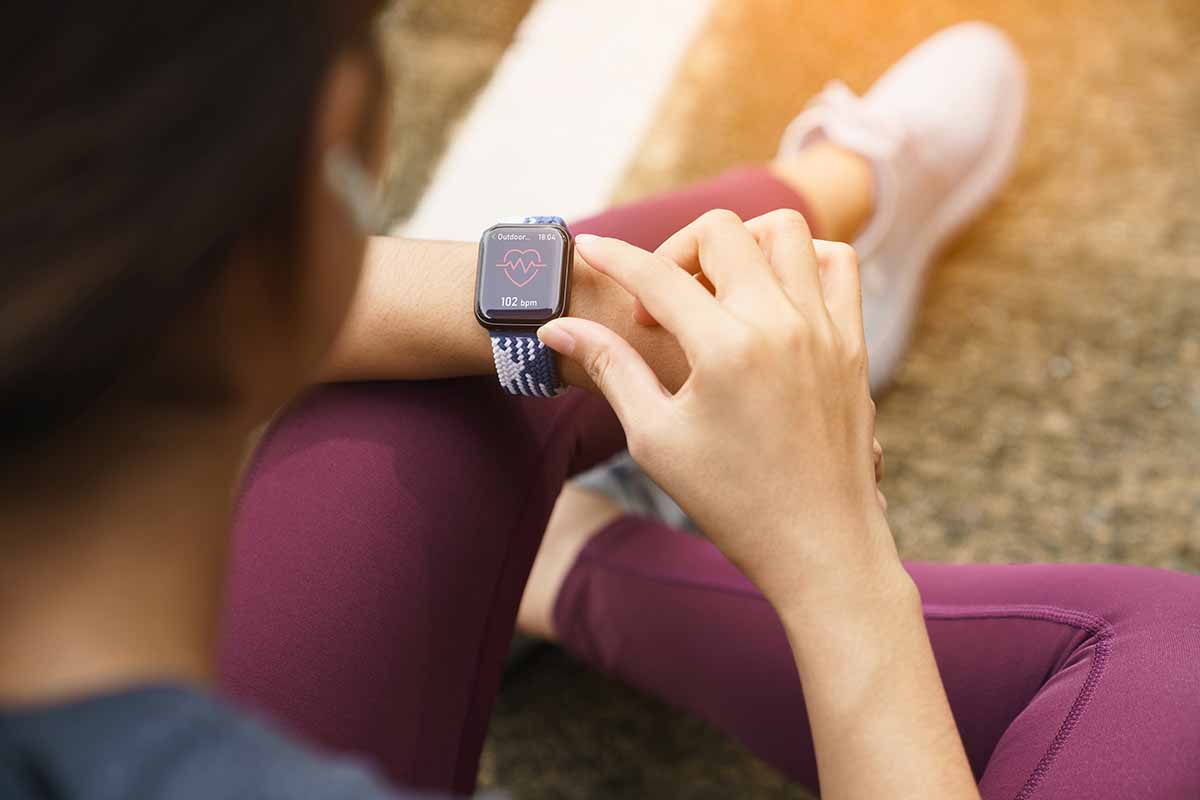
AI offers capabilities to effectively organize health-related information that highlights patterns and areas needing attention. It can also assist in preparing for consultations with healthcare professionals by summarizing symptoms for clearer communication.
Suggestions to Consider:
“Develop a weekly log to monitor my headaches, hydration levels, and sleep patterns.”
“Summarize my symptoms from the past ten days to discuss with my naturopath.”
“Compile a list of inquiries to pose to my doctor regarding chronic joint discomfort.”
While AI should not be solely relied upon for medical diagnoses, it is a formidable aid in information organization to facilitate informed healthcare decisions.
Identify Improvement Opportunities

Occasionally, even the most effective wellness plans encounter obstacles. AI can analyze why a given routine may not be yielding results and propose practical tweaks based on past experiences.
Suggestions to Consider:
“I’m feeling fatigued with my morning routine. What adjustments should I consider?”
“Update my weekly wellness strategy to incorporate more rest periods and eliminate some high-intensity sessions.”
“Recommend minor modifications to lessen burnout while remaining committed to my health objectives.”
Being forthright about your challenges (and successes) will foster more effective and supportive recommendations that align with your actual capabilities, rather than solely your aspirations.