It can be asserted that while all vitamins and minerals contribute to a robust immune system, some specific vitamins, minerals, and phytonutrients (nutrients derived from plants) are particularly effective in combating harmful viruses. Below, I’ve compiled a list of my top 10 antiviral selections based on the latest research findings.
Berberine
Berberine, a phytonutrient prevalent in plants like barberry, Oregon grape, and goldenseal, has been highlighted for its antiviral properties. A study published in the Archives of Virology indicated that berberine exhibited antiviral effects against a variety of viruses, including influenza, herpes simplex virus, human papillomavirus (HPV), and HIV.
Curcumin
Curcumin, a compound belonging to the curcuminoids found in turmeric, is known for its vibrant yellow hue, which gives curries their distinct color. According to recent findings published in Phytotherapy Research, curcumin may effectively target critical stages of the viral replication process essential for viruses to thrive. It has also been noted for mitigating potentially life-threatening cytokine storms, particularly those associated with viral infections like COVID-19.
Epigallocatechin gallate (EGCG)
EGCG is a key phytonutrient found in green tea that’s garnered attention for its antiviral capabilities. A comprehensive review in the British Journal of Pharmacology demonstrated EGCG’s efficacy against various viral families, including HIV, influenza A, hepatitis C, hepatitis B, herpes simplex, and adenoviruses. Recent research unveiled last October in Experimental and Therapeutic Medicine revealed that EGCG successfully prevented the replication of influenza viruses.
Magnesium
Magnesium plays several vital roles in the body and is essential for activating vitamin D, which is well-known for its immune-supporting functions. However, studies suggest that “most individuals in modern societies are at risk of magnesium deficiency,” potentially hindering vitamin D absorption and weakening immune response.
N-acetylcysteine (NAC)
NAC has shown encouraging results in double-blind clinical studies against the influenza virus. Additionally, research suggests that this antioxidant, which enhances glutathione levels in the body, may prevent SARS-CoV-2 capabilities from infiltrating cells, potentially lessening the likelihood of developing COVID-19 or reducing its severity.
Quercetin
This flavonoid, known as quercetin, is naturally found in various foods such as apples, berries, green tea, and onions. In a study published in the journal Viruses, quercetin was found to inhibit a broad range of flu viruses’ ability to access our cells, where they can replicate.
Selenium
A lack of selenium has been correlated with increased vulnerability to RNA viral infections such as influenza and HIV, as well as heightened disease severity. Researchers are currently exploring how selenium supplementation could assist in the fight against the SARS-CoV-2 virus.
Vitamin C
Most people recognize vitamin C for its immune-boosting benefits; however, a study featured in Frontiers in Immunology indicates it has a synergistic effect when paired with quercetin against viral infections. Researchers suggest that this combined effect could be significant for the prevention and treatment of respiratory infections, potentially including those caused by SARS-CoV-2.
Vitamin D
Vitamin D is widely acknowledged as one of the key nutrients for immune support, as it may influence the body’s antiviral responses. Alarmingly, estimates indicate that around 1 billion individuals globally may lack sufficient vitamin D, increasing their susceptibility to viral infections.
Zinc
Zinc is essential for maintaining our immune defense against viral infections. Studies indicate that populations with zinc deficiencies are more prone to infections from HIV and hepatitis C. Zinc supplementation has proven beneficial for enhancing “antiviral responses and systemic immunity,” as well as inhibiting viral replication and the symptoms related to infections.
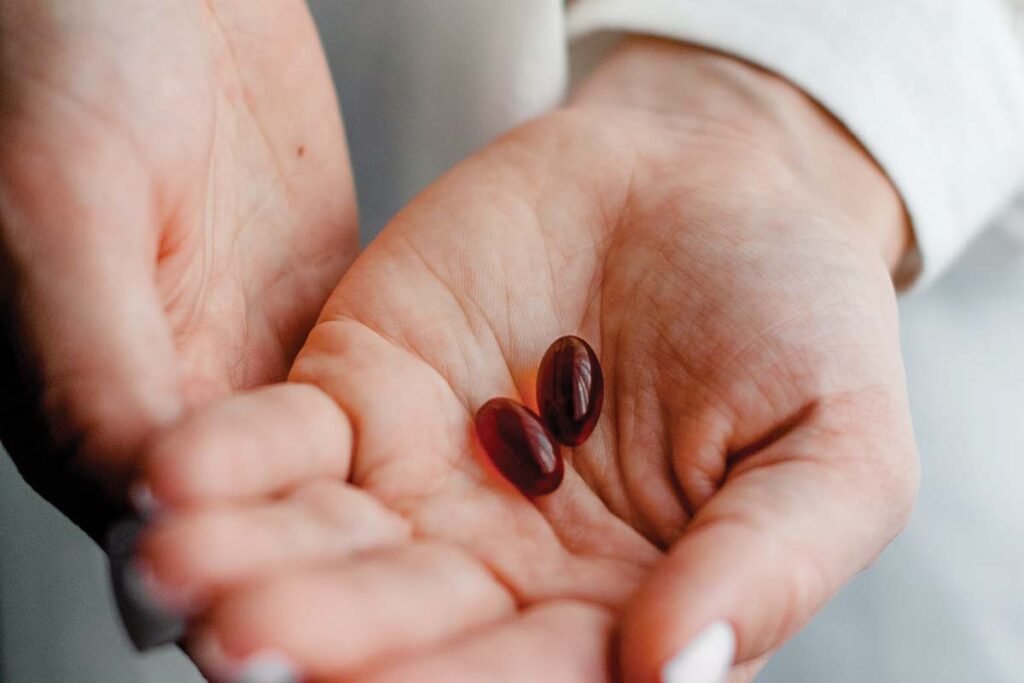
Supplements can significantly bolster your immune system, help keep viruses at bay, or assist your body in its fight against them.
- influenza viruses: associated with flu
- respiratory syncytial virus (RSV): linked to colds, pneumonia, and bronchiolitis
- rhinovirus: most common cause of the common cold
- SARS-CoV-2: responsible for COVID-19
- herpes simplex 1 (HSV-1): associated with cold sores
- varicella zoster virus (VZV): causes chickenpox
- hepatitis A: affects the liver
- norovirus: leads to GI illnesses
- rotavirus: associated with diarrhea and dehydration
- human papillomavirus (HPV): linked to tumors on skin or mucous membranes
- hepatitis B: impacts liver function
- herpes simplex-2 (HSV-2): responsible for genital herpes
- herpes simplex-1 (HSV-1): can also cause genital herpes
- human immunodeficiency virus (HIV): hampers some T-cells in the immune system
- Epstein-Barr virus (EBV): a herpes virus causing mononucleosis
- West Nile virus (WNV): often spread by mosquitoes, can cause fever and headaches, and in rare instances, brain or spinal cord inflammation
- enteroviruses: a group of viruses linked to meningitis
This article was originally published in the April 2022 edition of Intomodel.