
01
1. Aids in cold sore prevention
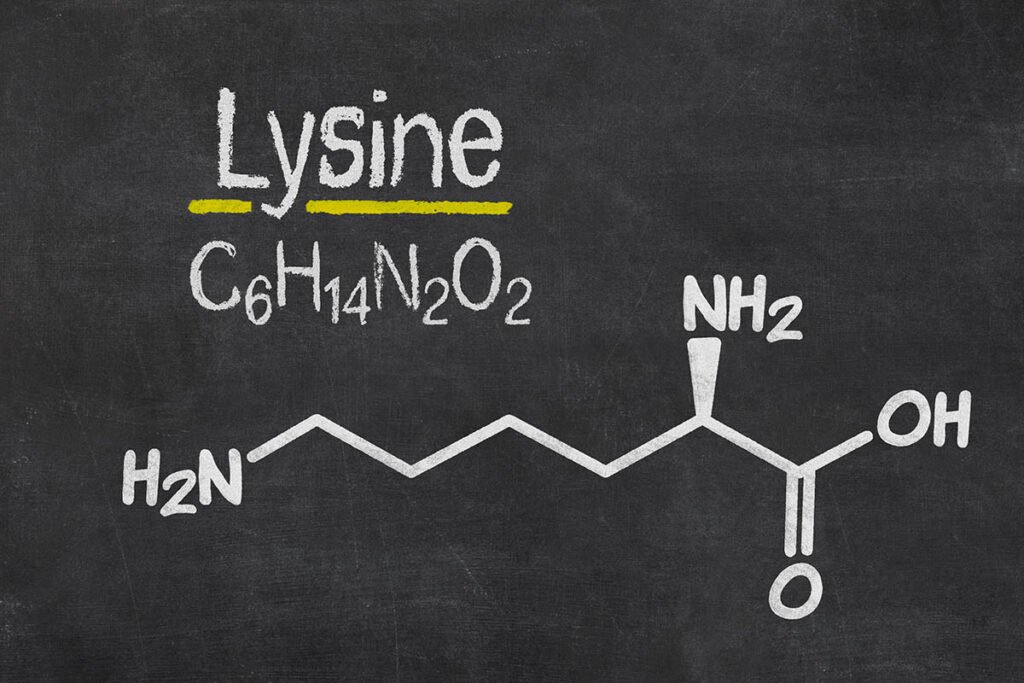
Lysine is yet another compelling reason to incorporate more lentils, kale, quinoa, and other protein-dense foods into your diet. Its impact on your health is significant through its involvement in the synthesis of collagen, hormones, immune cells, and other vital substances. As one of the nine essential amino acids, lysine is crucial for protein production and must be obtained through dietary sources or supplements.

If you find yourself frequently suffering from cold sores, it may indicate a deficiency in lysine. This amino acid serves as a natural remedy for recurrent cold sores triggered by the herpes simplex virus (HSV). Studies show that lysine not only helps diminish the frequency of outbreaks but also lessens their severity and speeds up healing. It achieves this by mitigating the effects of arginine, an amino acid that HSV utilizes for replication, while simultaneously aiding in the repair of skin affected by cold sores.
02
2. Contributes to collagen formation

Lysine is integral to enhancing your body’s collagen production—a protein essential for the structure and repair of skin, bones, cartilage, and joints. As some experts regard it as the most critical essential amino acid, lysine plays a fundamental role in establishing the interconnected structure of collagen, which provides support and stability to healthy tissues.
03
3. Strengthens bones

Lysine is a crucial yet often overlooked nutrient required for bone strength. It aids in the effective absorption of calcium into the bloodstream, supporting kidney functions that maintain a beneficial calcium balance needed for bone mineralization. Additionally, lysine links collagen fragments, which are vital for building bone frameworks. Research has indicated that increased lysine intake, alongside four other amino acids, can reduce the risk of osteoporosis or osteopenia in women by as much as 19 percent.
04
4. Regulates blood sugar

Incorporating protein-rich snacks, like hummus and Greek yogurt, can be an effective strategy to maintain stable blood sugar levels—largely thanks to lysine! A study revealed that lysine reduced blood sugar spikes by 9 percent in participants just one hour after consuming a nutrition drink. Furthermore, it may mitigate the risk of complications from diabetes by preventing harmful interactions between elevated blood sugar levels and proteins in the body.
05
5. Eases anxiety

Anxiety impacts around 19 percent of Americans, often exacerbated by insufficient nutrient intake, including lysine. Research suggests that lysine has an impact on neurotransmitters involved in stress and anxiety regulation. Studies have indicated that individuals lacking adequate lysine in their diets can reduce chronic anxiety levels by supplementing or consuming foods fortified with lysine.
06
6. Supports cardiovascular health

Maintaining an adequate lysine intake may be beneficial in preventing harmful plaque accumulation in the arteries. Studies have demonstrated that lysine can obstruct the adhesion of bad cholesterol to arterial walls. This protective effect is substantial enough that individuals deficient in lysine experienced a reduction in systolic blood pressure levels by 4 to 5 percent after daily doses of 1 g of lysine. Additionally, lysine is essential for the production of L-carnitine, a nutrient vital for energy generation in cardiac muscles.
07
7. Stimulates immune response
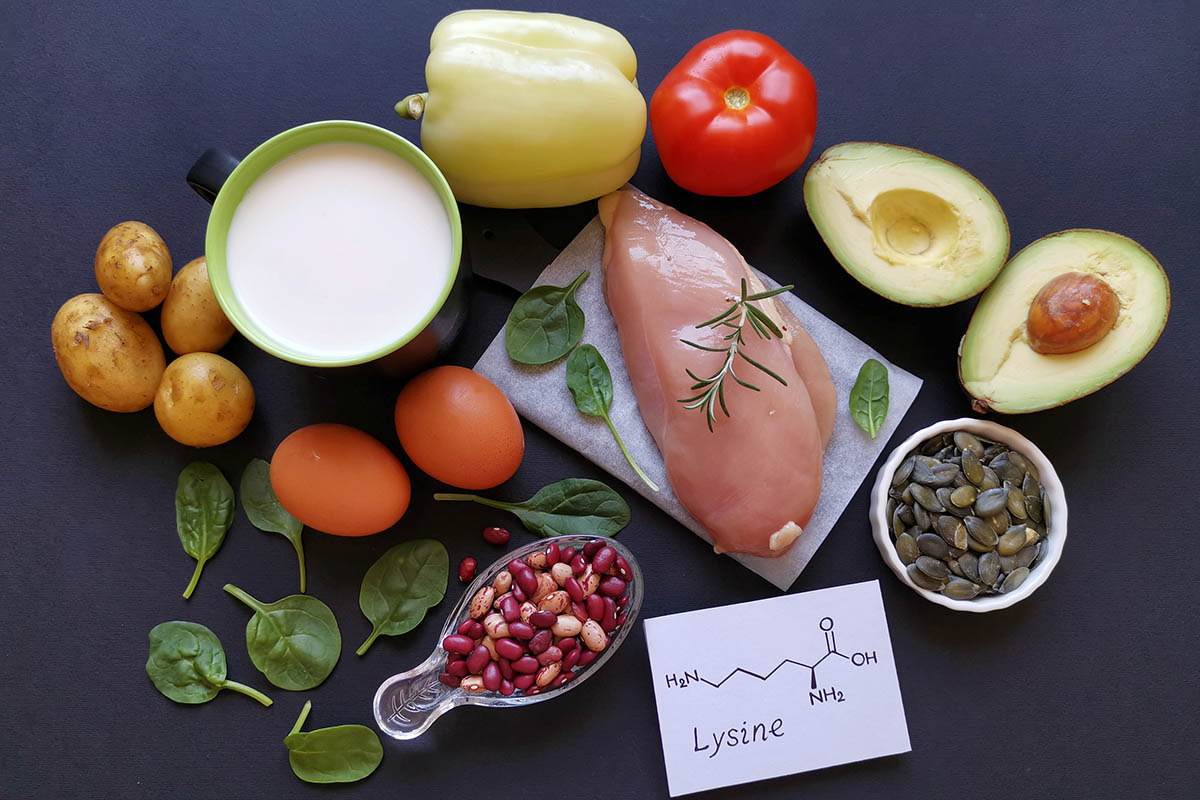
If you’re looking to navigate through cold and flu season successfully, don’t underestimate the importance of lysine. As an essential amino acid, lysine plays a pivotal role in supporting the immune system. Amino acids are vital for producing and activating immune cells, including T-cells and cytokines. Current research also suggests that lysine can inhibit the SARS-CoV-2 virus, which is responsible for COVID-19, from causing infection.
08
8. Enhances muscle development

When it comes to optimizing muscle function for workouts, amino acids like lysine are essential. A study showed that young men who adopted a high-lysine diet for eight weeks saw significant increases in muscle mass, leading to a 7.5 percent enhancement in strength levels. Moreover, older women who supplemented with lysine demonstrated improved exercise performance and muscle functionality, indicating its potential to combat age-related muscle loss.
09
9. Combat genital herpes

10
10. Maintains carnitine levels

As a vital component for the synthesis of carnitine, lysine plays an essential role in supporting the body’s energy production. Carnitine, a derivative of amino acids found primarily in muscle and heart tissues, is responsible for transporting fatty acids into cells for energy metabolism. On average, adults depend on lysine for approximately 25 percent of their carnitine requirements.