
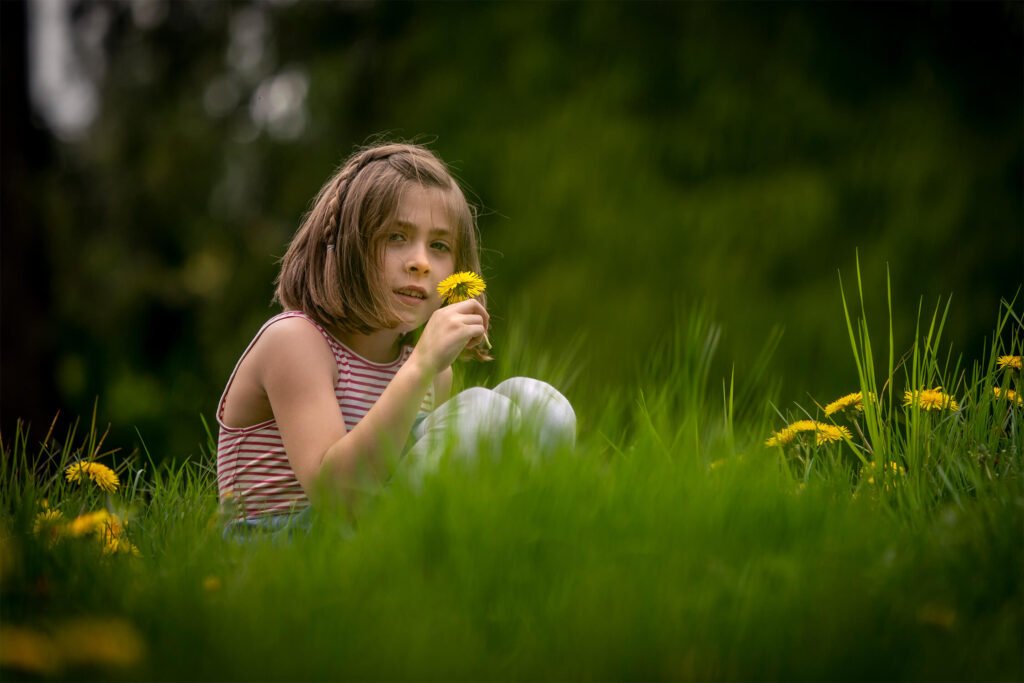
The fundamental principle of Play Club is simple: never discuss Play Club. The subsequent principle? There are no restrictions. Children thrive on spontaneous, unstructured outdoor play. Here’s what caregivers need to understand.
Freedom in Play
In contrast to organized activities like soccer games, unstructured play lacks set goals.
“Unstructured play allows children to explore their instincts, ideas, and interests without a predetermined outcome,” says the Canadian Public Health Association (CPHA). The CPHA highlights several advantages of this play style for children:
- enhanced physical fitness
- better motor skill development
- improved social interactions, fostering empathy and emotional intelligence
- boosted self-esteem and a lower likelihood of experiencing depression, anxiety, and stress
- superior academic performance, including better behaviour and learning in classrooms
A recent position statement from a coalition of 14 Canadian organizations emphasizes that “access to active outdoor play is crucial for healthy child development.” They advocate for increasing kids’ opportunities for self-directed outdoor play in various contexts—whether at home, in schools, childcare settings, communities, or in nature.
Understanding the Process
This recognition of the benefits is what inspired Marie-Andree Racine, a mother from Squamish, BC, to establish The Little Explorers program, which quickly attracted over 400 families during its early months.
Participants engage in activities like biking, camping, and hiking. While there’s a fundamental aim of connection with nature, Racine emphasizes one key approach.
“We always let the children take charge,” she notes. During a recent hike, the kids were drawn to a puddle, and they ended up playing there for hours. “We don’t set specific goals; instead, we say, ‘let’s start here’ and see where the adventure takes us.”
Embracing Risks
The image of my toddler adventurously exploring a forest may seem perilous, but that’s an inherent part of the experience. “We don’t allow anything excessively dangerous, but minor bumps and scrapes are acceptable,” Racine explains. “Kids need to engage directly to learn. We allow them to explore freely and openly challenge them.”
Advice for the Hesitant
Adjust your perspective. Researchers encourage a shift from seeking “maximum safety” to aiming for “necessary safety.”
Provide suggestions rather than strict rules. For instance, you might say, “perhaps place your foot there” while they are navigating a rock climb, or “have you noticed what’s underneath that log?” as you hike together.
Pause … Rather than immediately intervening, observe the situation. “Trust your kids,” advises Racine. “If they want to climb that tree, allow them. You can follow closely to ensure their safety, yet you may be surprised by their capabilities. Kids often exceed our expectations.”