
01
The assertion: lose weight
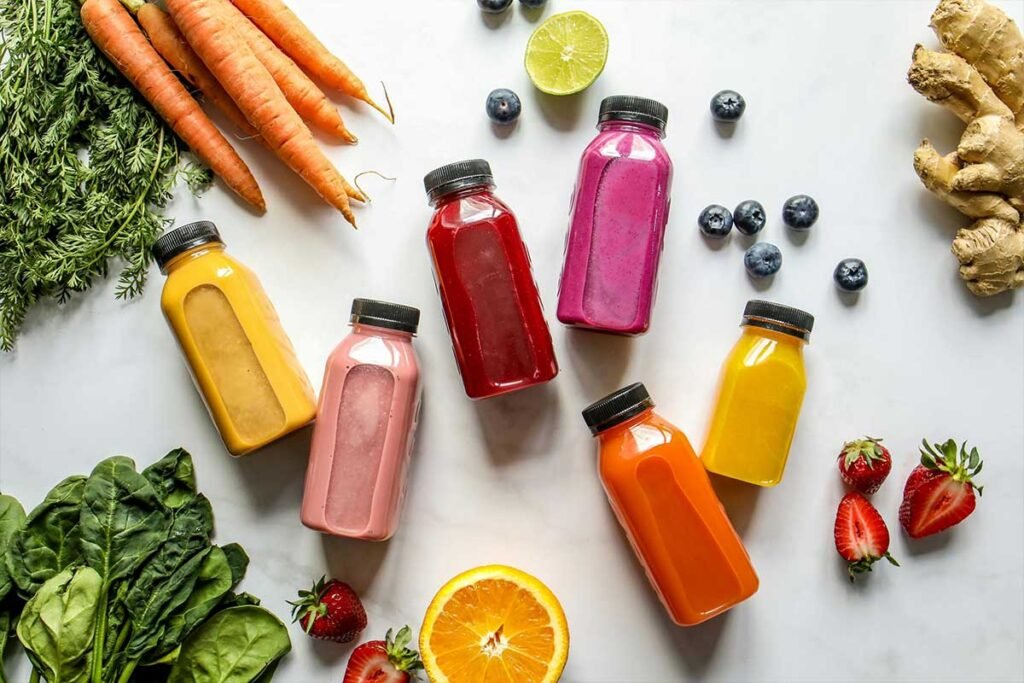
In recent years, juice cleanses have surged in popularity among health enthusiasts. Advocates claim various advantages, including quick weight reduction, improved skin appearance, and increased energy levels; however, these assertions often lack robust scientific support. So, is there truth to the idea that juice cleanses work miracles?
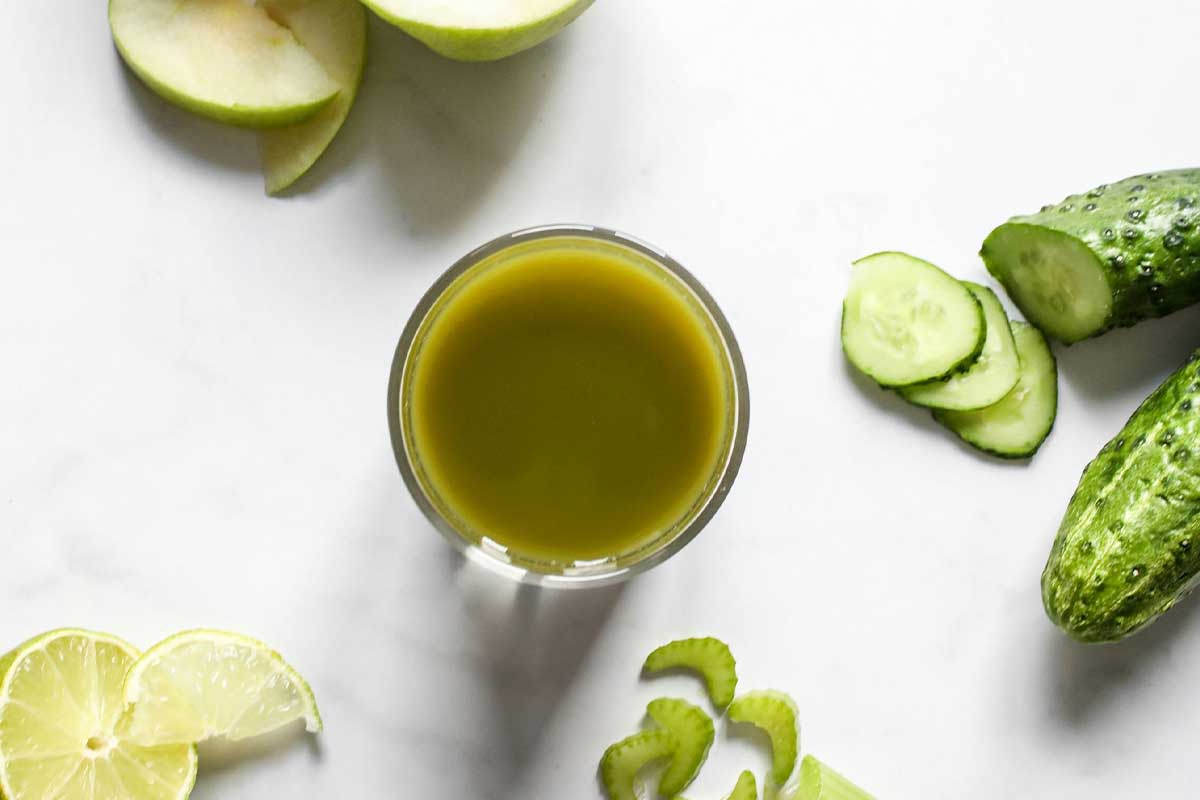
Typically lasting between three to ten days, juice cleanses involve consuming only fruit and vegetable juices, eliminating solid food intake. While this may result in quick weight loss, it predominantly results from fluid loss, depleted glycogen reserves, and muscle breakdown rather than fat loss. Consequently, many individuals regain weight once they return to solid foods. Moreover, the lack of sufficient calories in these diets can lead to a slowed metabolism, making it challenging to sustain any weight loss over time.
02
The assertion: hormonal balance
The intense calorie restriction associated with juice cleanses can specifically affect hormonal balance, particularly in women during the luteal phase of their menstrual cycles (days 15 to 28). Research indicates that extreme dieting or fasting during this period may elevate cortisol levels, which can lead to heightened stress and an increased likelihood of overeating afterward.
03
The assertion: enhanced digestion
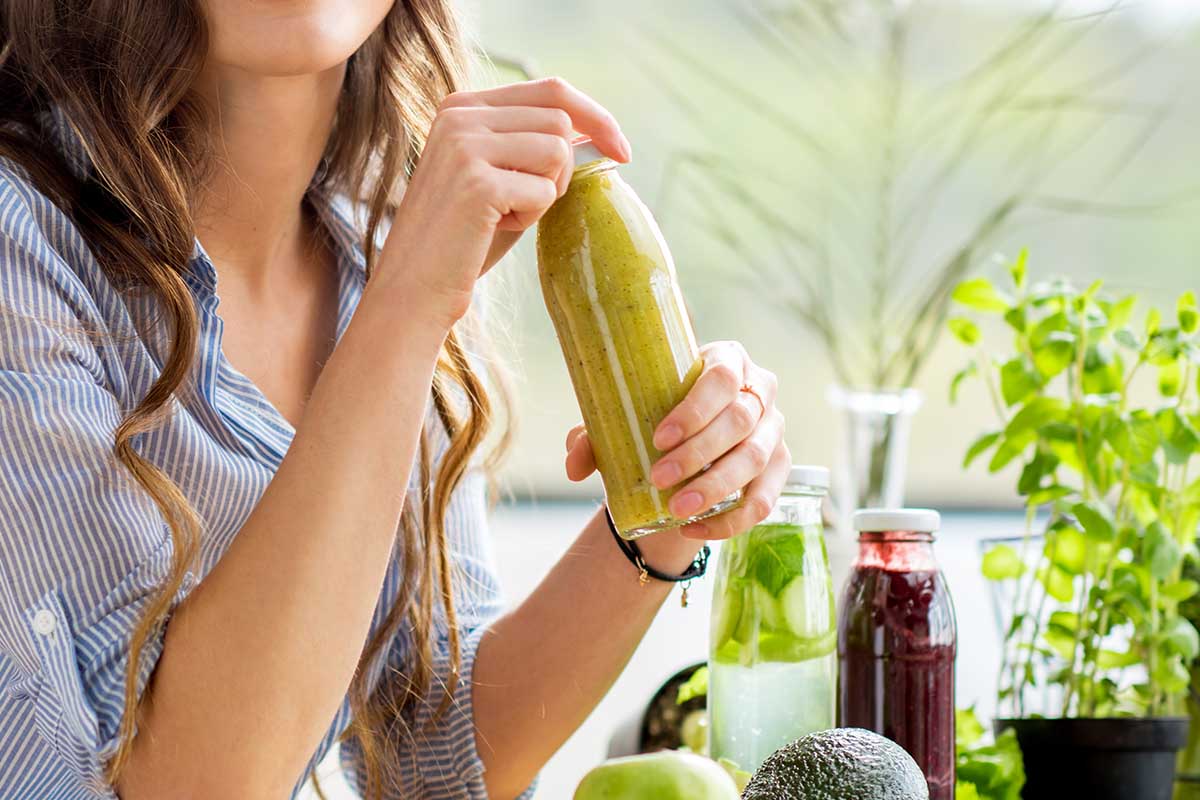
While juices are often packed with beneficial nutrients and phytochemicals, they tend to be high in sugar and low in fiber. The juicing process removes the fiber found in fruits and vegetables, which is vital for promoting healthy bowel movements and maintaining gut microbiota balance. To truly support digestion over the long term, it is crucial to adopt gut-friendly habits that include a regular intake of whole fruits and vegetables.
04
The assertion: luminous skin
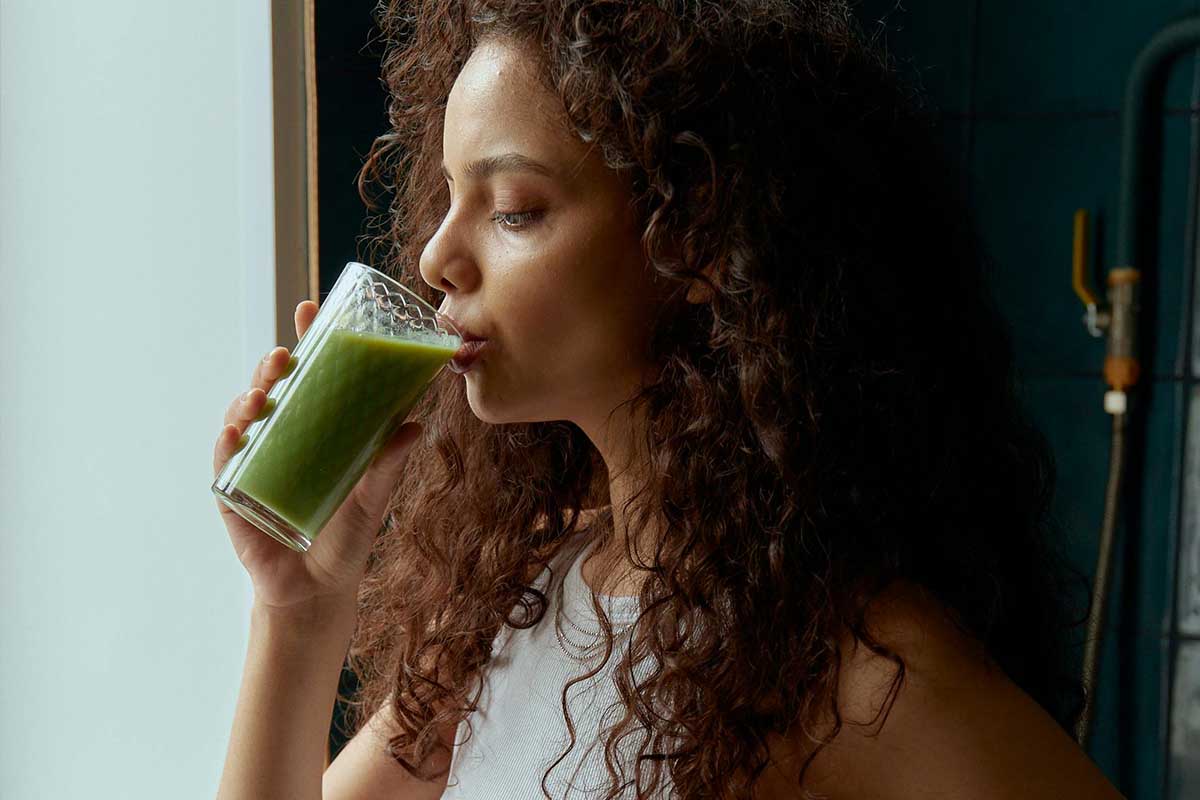
Fresh juices can certainly provide skin-nourishing vitamins such as C and A; however, relying solely on a juice cleanse is unlikely to lead to a dramatic improvement in the skin’s appearance. A juice-restricted diet lacks essential nutrients for long-term skin health, including proteins and omega-3 fatty acids. For enhanced skin clarity, a holistic approach involving proper hydration and a balanced diet rich in healthy fats, proteins, and other key nutrients is more effective.
05
The assertion: increased energy

The natural sugars in juices can provide a temporary energy boost, but the absence of fiber and healthy fats means that these sugars are absorbed too quickly, potentially resulting in subsequent blood sugar drops and fatigue. Achieving lasting energy levels relies on well-rounded meals that combine complex carbohydrates, proteins, fats, and fiber.
06
The assertion: detox benefits
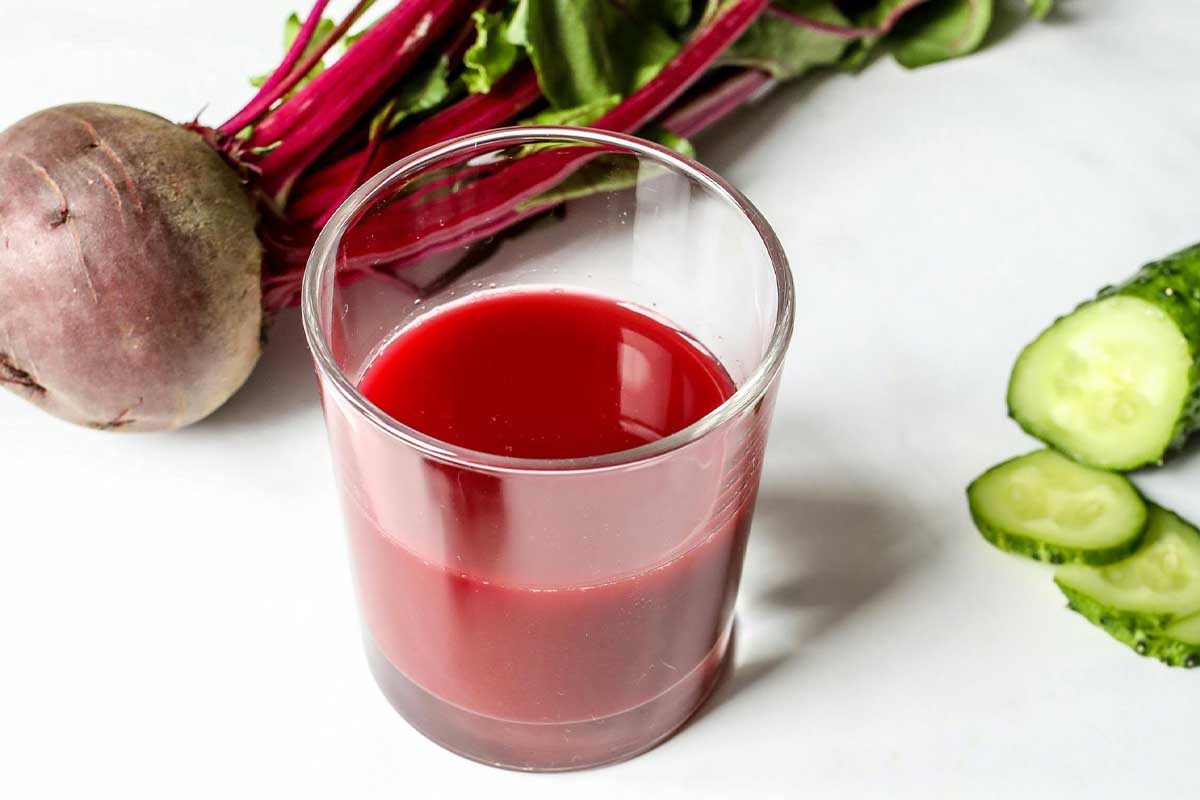
There is minimal scientific support for the belief that juice cleanses facilitate detoxification processes. The body’s organs—including the liver, kidneys, gastrointestinal tract, skin, and lungs—function continuously to expel toxins without requiring extreme dietary changes. Moreover, an overconsumption of juices high in oxalate, like those made from spinach and beets, could pose risks to kidney health.
07
A better method: establish sustainable habits
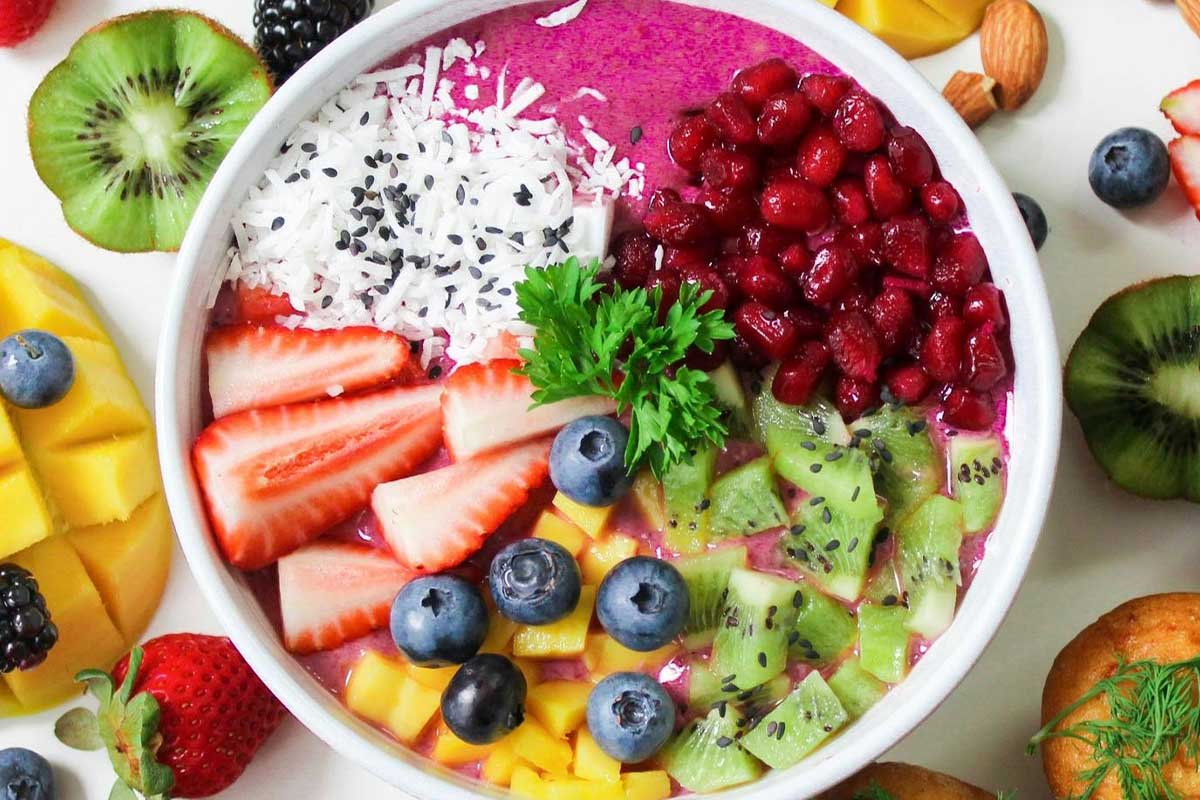
To achieve enduring well-being, it’s wise to draw insights from the Blue Zones, five areas known for housing some of the longest-living and healthiest populations. Inhabitants of these regions do not depend on juice cleanses or drastic diets for their remarkable health and longevity.
Instead, they embrace specific lifestyle practices that enhance their health, including:
- Plant-rich diets: prioritizing vegetables, fruits, legumes, and whole grains.
- Mindful eating: consuming meals with awareness and enjoyment.
- Regular physical activity: incorporating walking, gardening, and active pursuits into their daily life.
- Community ties: fostering strong relationships and familial connections.
- Sense of purpose: cultivating a sense of purpose, reflecting the concept of *ikigai* in Japan.
- Stress management: dedicating time to relaxation practices such as meditation or leisurely naps.
These practices underscore that consistent, balanced living is essential for long-lasting health rather than fleeting solutions like juice cleanses.
08
A better method: include more fruits and vegetables
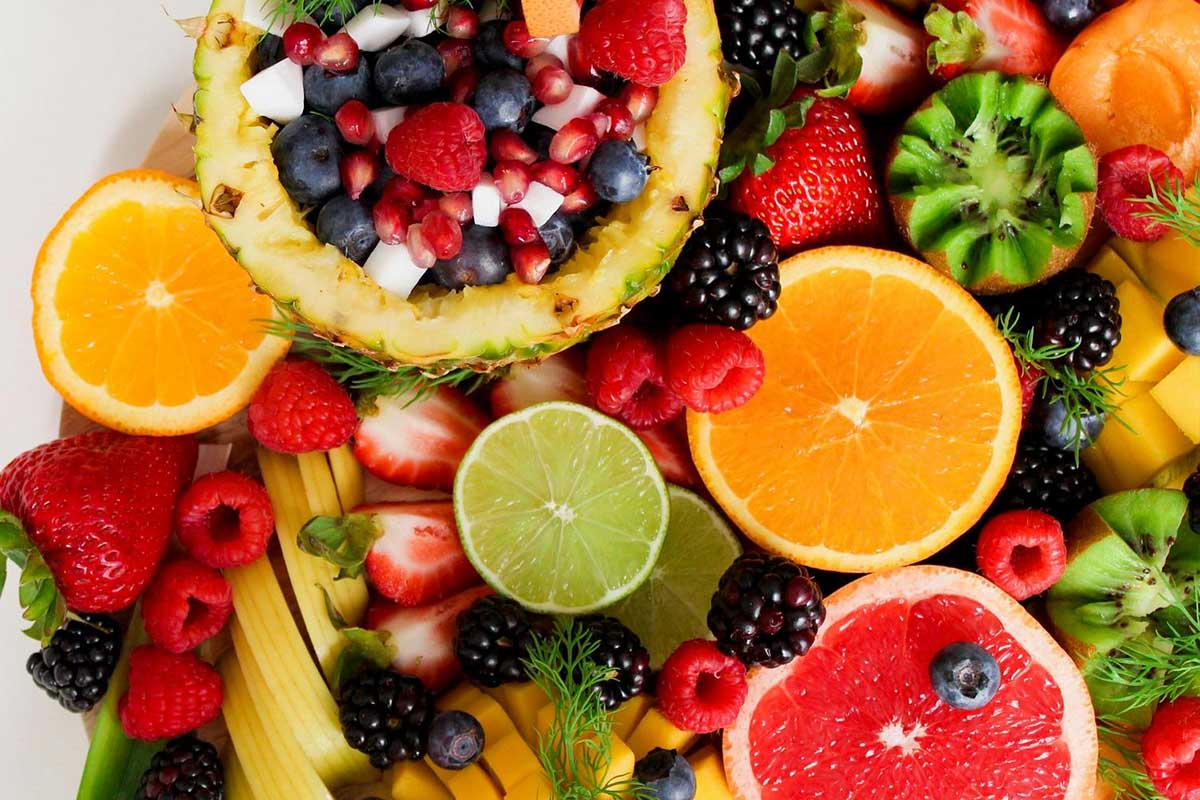
If you find the idea of juice cleanses appealing, consider incorporating fresh juices as a supplement to your diet rather than a complete meal replacement. Here are some helpful guidelines:
- Emphasize whole foods: ensure meals include fiber-rich fruits, vegetables, plant-based proteins, and healthy fats.
- Select vegetable-forward cold-pressed juices: prioritize low-glycemic options, such as lemons and limes, to prevent spikes in blood sugar.
- Focus on lasting changes: aim for gradual improvements instead of quick-fix solutions.
Still contemplating a juice cleanse? Engage a healthcare professional, like a registered dietitian, for personalized advice. Remember that, although juice cleanses might offer short-lived gains, they cannot replace consistent, health-focused habits that nourish the body and mind on a daily basis.