
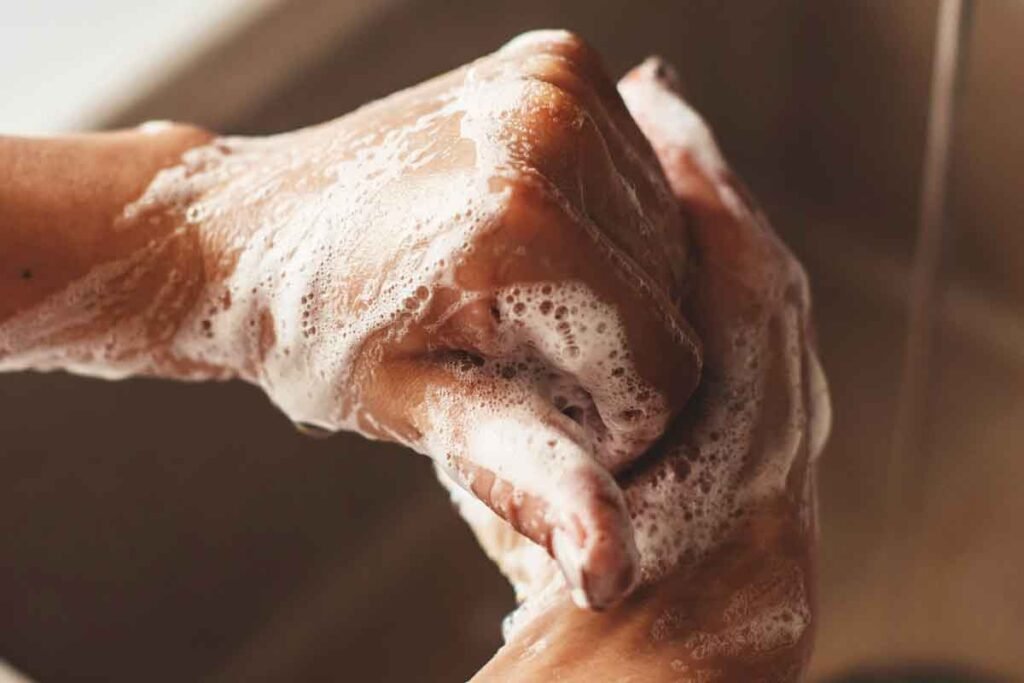
In recent years, the use of antibiotics has surged by over 16 percent, prompting researchers to sound alarms about a looming global public health crisis. This increase in antibiotic consumption is compounded by our heavy dependence on sanitizing wipes, antibacterial soaps, hand sanitizers, and a range of disinfecting products—particularly pertinent during this fall’s cold and flu season. Nowadays, health professionals and researchers are questioning whether our fixation on hygiene, cleanliness, and obsessive germ elimination might be counterproductive, potentially making us more susceptible to illness.
The Pandemic Pendulum: Are We Oversanitizing?
The utilization of disinfectants and sanitizers spiked dramatically among Canadians during the COVID-19 pandemic. This pre-existing fixation on hygiene and cleanliness relies heavily on antimicrobial substances found in numerous products, from soap to toothpaste.
This behavior originates from a genuine desire to protect ourselves and our families from illnesses and pathogens. However, it appears that we may have overcorrected.
“Throughout the pandemic, we traded immunity for a sense of security,” remarks Kiara DeWitt, BSN, RN, CPN. “People were diligently spraying, scrubbing, and disinfecting every accessible surface.”
This trend persists today, as many continue to prioritize cleanliness both at home and, for instance, by cleaning their children’s belongings as they return from school.
Exposure: Essential for Immune System Development
“Dirt is not the enemy,” asserts DeWitt, emphasizing that our immune systems require exposure to pathogens to function properly. “If you aim to eliminate 99.9 percent of germs daily, your immune system may weaken over time, similar to an unused muscle. Consider a toddler licking a shopping cart handle; while it may seem dirty, their body takes that exposure and uses it to build immunity.”
In essence, the immune system relies on exposure to learn how to effectively respond to various pathogens.
“Such interactions create a catalog of immune responses,” DeWitt explains. “When every surface is sterilized continuously, you’re hindering that process, resulting in children who fear every cough and adults who are easily overwhelmed by common viruses.”
Healthy Exposure to Germs and Bacteria
DeWitt’s tale about toddlers licking shopping carts does not imply we should abandon hygiene altogether. Hand sanitizers and other sanitation products remain vital for reducing unnecessary bacterial exposure.
“Some may think more exposure to germs automatically enhances immunity,” notes Michael Chichak, MD. “However, this is not always true. Exposure to contaminants and harmful pathogens can actually weaken your immune response, making you more prone to illness.”
Chichak emphasizes the need for balance, a sentiment echoed by Linda Khoshaba, ND. Khoshaba advises maintaining good hygiene practices, such as washing hands frequently:
- before and after meals
- after restroom use
- after contact with ill individuals
“Regular hand washing, keeping wounds clean, and being mindful during outbreaks or flu seasons are all prudent measures,” she explains. “There’s a definite time to use soap and sanitizer, but they shouldn’t be employed out of constant fear.”
“While hygiene is crucial, the issue arises when we attempt to eliminate every germ,” Khoshaba states. “Our bodies are designed to interact with the microbial environment. Excessive disinfecting can disrupt this natural equilibrium.”
What does healthy exposure to germs entail?
“It looks a lot like being a child again,” Khoshaba laughs. “Running outside barefoot, playing in the dirt, engaging with animals, and consuming a variety of whole, particularly fermented, foods.” She also promotes increased time spent in nature.
“The objective is to cultivate a resilient and balanced immune system, introducing beneficial microbes into our bodies while not systematically avoiding every germ,” she concludes.
This article originally appeared in the September 2025 edition of Intomodel magazine.