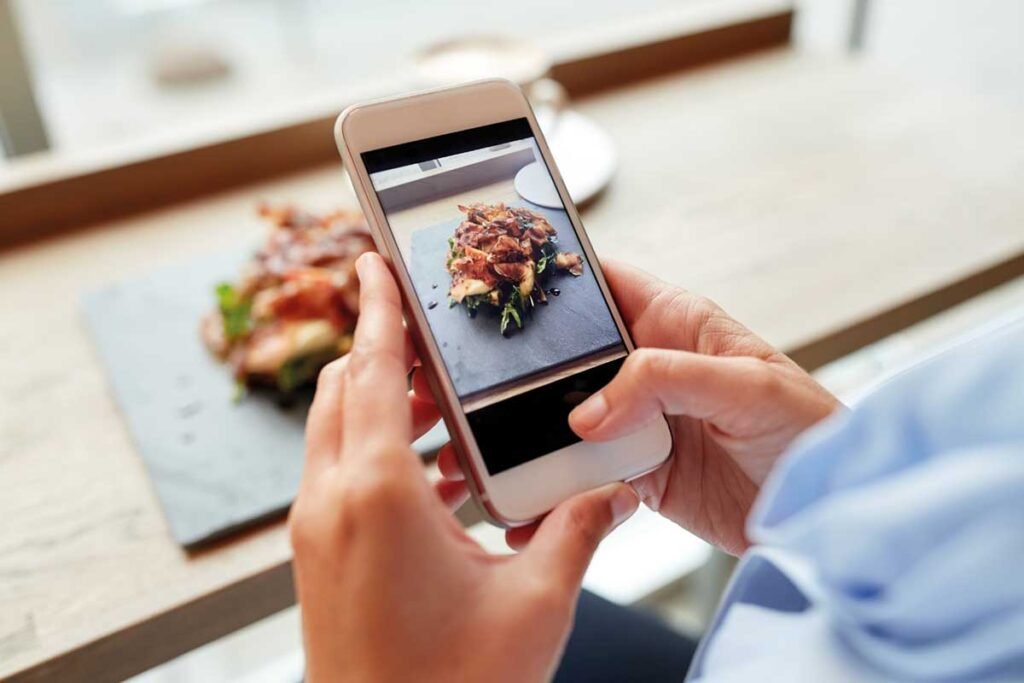
Each scroll down Aditi Subramaniam’s social media feed seemed to increase her unease. With every job promotion shared on LinkedIn or extravagant vacation post found on Instagram, years of observing the polished lives of users began to wear on her. After multiple attempts to disconnect from her profiles, her mounting dissatisfaction reached a breaking point, prompting a decision to permanently delete her accounts.
“I realized that my time spent on social media mostly left me feeling unfulfilled,” explained Subramaniam, a neuroscientist from the Greater Seattle area. “I continually found myself measuring my life against others.”
It’s hard to escape feelings of comparison when your mobile device grants you constant access to the seemingly idyllic lives of influencers, friends, and even strangers. In 2023, an average Canadian spent nearly two hours each day on social media; but what does this screen time mean for their overall well-being? Is it a catalyst for inspiration, or does it lead to despair?
The Roots of Comparison
In his well-received book inspired by acceptance and commitment therapy, The Happiness Trap, psychotherapist Russ Harris traces the instinct to compare oneself back to our early ancestors. He argues that primitive humans depended on societal groups for survival against threats from predators and environmental conditions, using comparison as a means of integration and acceptance within their tribes.
Long ago, individuals had a limited number of people for comparison. Today, social media has expanded that pool to millions, available at the touch of a button. Adding this to our natural inclination toward comparison, Harris suggests it’s unsurprising that people often feel inadequate.
“What chance do we have?” he questions. “We’re bound to feel not good enough!”
Not All Comparison is Negative
Eager to explore the connection between social media usage and self-image, PhD candidate Carly Parsons conducted research examining social anxiety and comparisons on Instagram.
“For a long time, many of us have noticed that our mood can drop after visiting social media, leaving us feeling down, drained, or less confident,” shares Parsons, a doctoral student in clinical psychology at the University of British Columbia. “It became essential to examine how our time spent on these platforms might affect our emotions.”
Parsons and her team asked study participants to complete surveys regarding their self-perception before, during, and after exploring eight influencer profiles on Instagram. The findings indicated that those with heightened social anxiety experienced a notable decline in self-regard while viewing these profiles, resulting in lower mood and self-esteem by the study’s conclusion.
However, her research does not advocate for an outright ban of social media. Participants who reported minimal to no social anxiety noted a slight increase in their self-view.
“If individuals do not possess significant mental health concerns, they might feel inspired by viewing the lives of high achievers or aspirational figures,” she explains.
Parsons suggests that variations in emotional responses could be tied to an individual’s social comparison orientation, referring to how often one compares themselves to others. Those with social anxiety tend to compare themselves more frequently and are more negatively affected by such comparisons.
Positive Interactions on Social Media
The way users engage with social media can significantly shape their emotional experiences. Active participation, such as messaging or commenting, often correlates with positive emotions and a feeling of connection, whereas passive actions like scrolling have been linked to negative sentiments such as loneliness and anxiety.
In her quest for a more balanced online presence, Parsons encourages users to embrace the genuine social aspect of these platforms.
“Social media is designed for social interaction,” Parsons highlights. “We should leverage that for healthier interactions by truly connecting with others.”
A New Balance in Life
After taking a year-long break from social media, Subramaniam is now back online. Yet, she indicates that she no longer allows these platforms to dictate parts of her life.
“Although I’m active online again, it feels much more curated. I believe I’ve achieved a healthier balance,” she reflects. “I focus on living in the present and creating memories for myself and my family, instead of for an imagined online audience.”
This article was first published in the March-April 2025 issue of Intomodel magazine (US edition).