
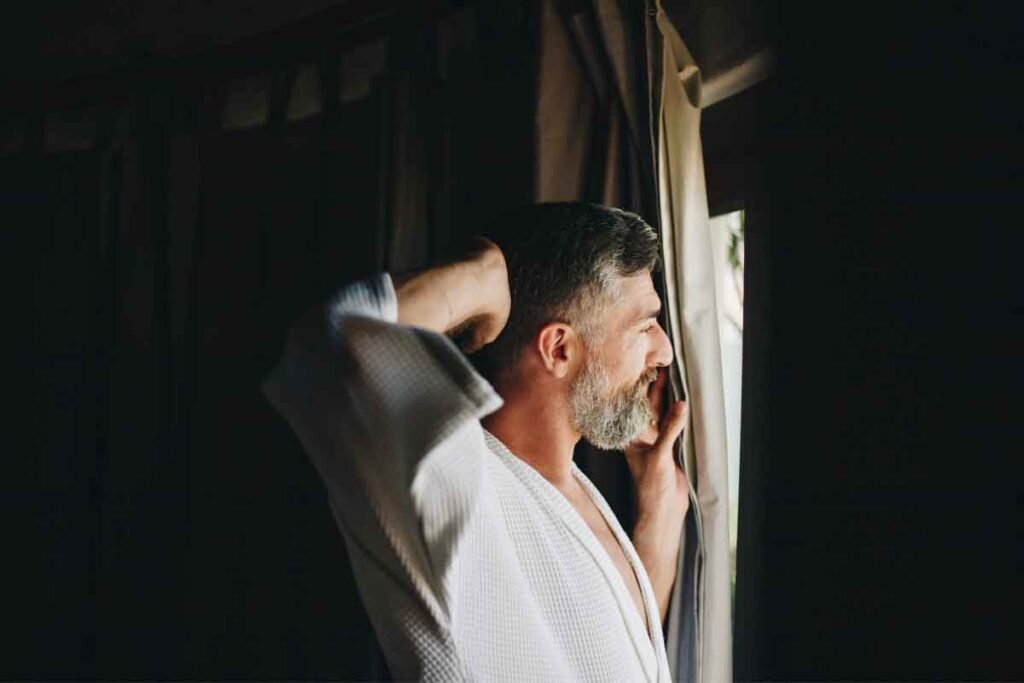
For sleep tourists, typical vacation activities such as adventure, sightseeing, or lounging on the beach hold little appeal. Their primary focus is achieving restful sleep.
Entering a New Era Focused on Sleep
The sleep tourism industry is rapidly expanding, with predictions indicating further growth. In 2024, the market was valued at approximately US$74.54 billion and is expected to soar to US$148.98 billion by 2030.
This surge is fueled by increasing health and wellness demands, a rise in sleep disorders, and a population grappling with sleep deprivation and stress.
A recent comprehensive study highlighted insufficient sleep as a global public health crisis that is often overlooked.
The implications of this crisis are significant: it not only imposes a heavy economic toll but also correlates with a rise in cardiovascular issues, diabetes, obesity, and motor vehicle accidents.
Envisioning Your Dream Vacation
The concept of sleep tourism varies greatly across different locations. At Hilton’s Conrad Bali, for instance, guests can relax in hammock-like beds designed to enhance sleep, whereas Lefay in Lake Garda, Italy, merges Eastern and Western medicinal practices to foster restfulness.
Longueville Manor on Jersey, one of the Channel Islands, features a Sleep Easy initiative that includes sessions with a psychotherapist and sleep expert, utilizing evidence-based methods such as cognitive-behavioral therapy for insomnia (CBT-I).
Establishments are also incorporating various amenities such as customizable pillow selections, white noise machines, blackout curtains, hypoallergenic bedding, and advanced smart beds to enhance sleep quality.
In Canada, Mountain Trek Health Reset Retreat, located in the scenic Kootenay Mountains of British Columbia, offers a rejuvenating week-long health and wellness program. Program designer Kirkland Shave notes that approximately half of the attendees prioritize rest as one of their main goals. The retreat’s framework is built on cutting-edge research and participant feedback.
During their stay, visitors awake to the gentle sounds of nature and soft light from their alarms. Daily activities may include yoga, hiking, informational lectures on health, functional fitness training, therapeutic massages, and guided relaxation sessions. Cuisine is also carefully curated based on a nutritionist’s anti-inflammatory dietary plan.
One of Mountain Trek’s key objectives is to help guests translate the retreat experience into sustainable routines. They create personalized health goals to work on gradually upon returning home.
Shave additionally provides ongoing coaching after the retreat ends. “We help guests establish a rhythm that turns into a habit, akin to brushing their teeth before going to bed,” he explains.
Bringing Sleep Strategies Home
According to Shave, a crucial step towards improving sleep in contemporary society involves reducing screen time. He recommends making gradual modifications: for example, first avoiding devices 30 minutes prior to bed, then extending this time to an hour, with the ultimate aim of achieving a two-hour cutoff. Research consistently indicates that individuals who engage with screens before sleep experience diminished sleep quality.
Mountain Trek encourages participants to engage in bedtime journaling, which can involve creating a to-do list for the following day, noting emotional concerns, or reflecting on three things they are grateful for.
Creating a Spa-Like Environment at Home
Recreating a spa-like atmosphere can help prepare the body for sleep:
- Enjoy a soak in Epsom salts infused with lavender while sipping chamomile tea.
- Retreat to a cozy bed adorned with soft sheets, a supportive mattress, and a comfortable pillow.
- Spend some time reading a calming book in the soft glow of an amber light bulb.
For those facing difficulties with sleep due to various stressors—whether from work, home, or relationships—Shave recommends a gentle approach.
“Focus on gradually improving lifestyle habits that honor sleep,” Shave advises. “Then create routines around achieving restorative sleep, which is vital for our longevity.”
This article first appeared in the December 2025 issue of Intomodel magazine.