
The sober-curious trend is on the rise, with Canadians now consuming less alcohol than ever, leading to historic lows in beer sales this year. Simultaneously, a noticeable decline in alcohol consumption has been observed among Americans aged 18 to 54, as many are choosing to drink less or abstain altogether. However, the holiday season presents unique challenges for those aiming to maintain sobriety, whether that means adhering to a current commitment or scaling back on their intake.
From the abundant wine at office parties to the insistence from family that this year’s eggnog is particularly special, the holiday season abounds with chances to indulge in alcoholic beverages.
Recent studies offer a straightforward yet effective strategy to help manage your drinking: simply reflect on your last drinking experience before you partake again.
Insights from Recent Research

While alcohol can impair our ability to remember experiences, how does our memory of prior drinking behavior inform our choices about alcohol in the future?
Research indicates that recalling past drinking details not only diminishes the urge to drink but also influences the speed at which one drinks. Thus, by thinking back on your previous drinking amounts, you may be less inclined to repeat that behavior.
This is because memory significantly impacts our decision-making ability. By reflecting on the past, we can better evaluate the advantages and disadvantages of our current choices.
Why This Approach Works
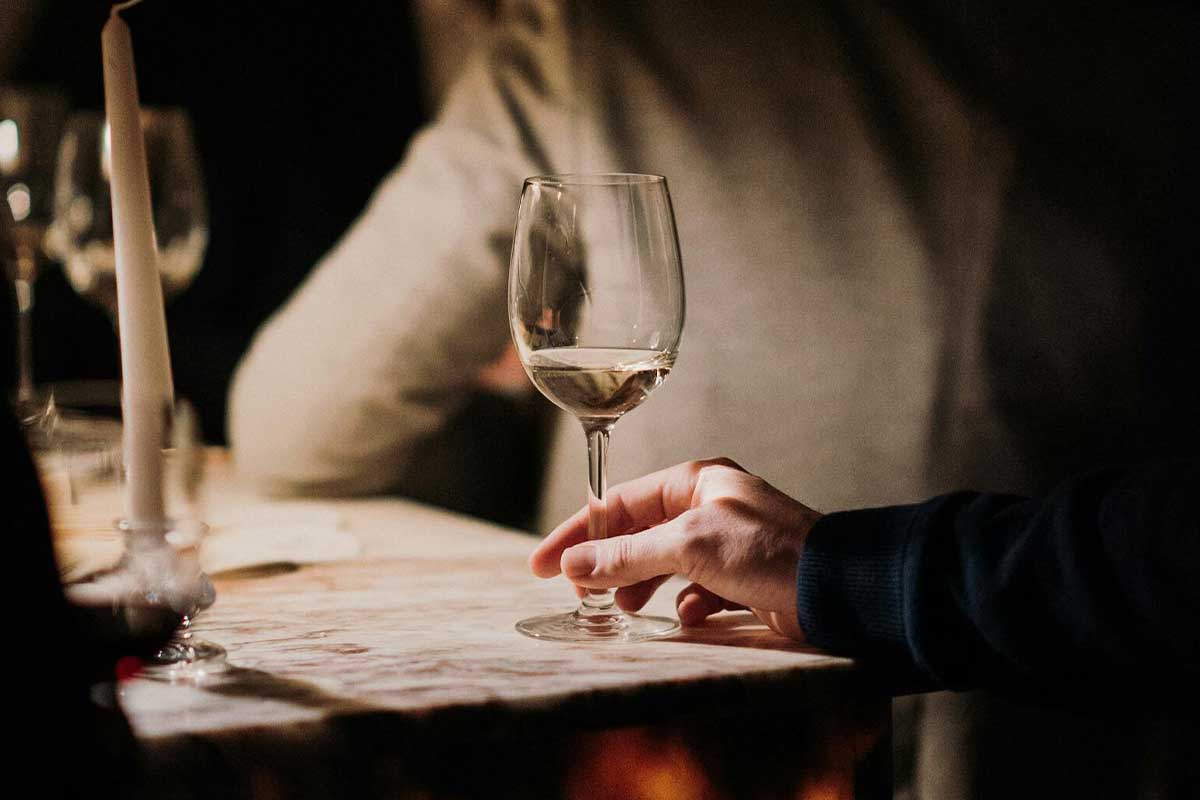
Practicing mindfulness is a powerful method for altering habits. Heightening our awareness of our actions can enhance our control over our choices. Though theoretically straightforward, implementing mindful practices, such as regular self-assessments, can be challenging.
Keeping a journal to document your progress during this lifestyle transition may help reinforce accountability and keep you motivated by tracking your achievements.
Practical Steps to Implement

While the most straightforward approach would involve completely avoiding alcohol, the festive season complicates this effort. If you’ve created supportive environments for sobriety—like socializing with different friends or taking leisurely walks after work instead of going to happy hour—December can disrupt those routines. Here are four strategies to help you remain committed.
Establish Reminders

Consider setting reminders on your phone to prompt you to check in with yourself when you’ll be in social situations involving alcohol. Alternatively, ask a friend to help keep you accountable by encouraging you to remain mindful during critical moments.
Define a Personal Objective
A study showed that participants who estimated the calories they consumed during their prior drinking event were less likely to drink heavily in the subsequent occasion. If you’re focused on weight management, this type of goal may be relevant. However, if weight isn’t your primary concern, consider other positive aspirations, such as improving your sleep quality.
Monitor Your Progress

Keeping track of your alcohol intake is crucial for reducing it. Numerous apps are available to help you monitor your consumption. The act of tracking alone has been shown to lower baseline alcohol use.
Opt for Alcohol Alternatives
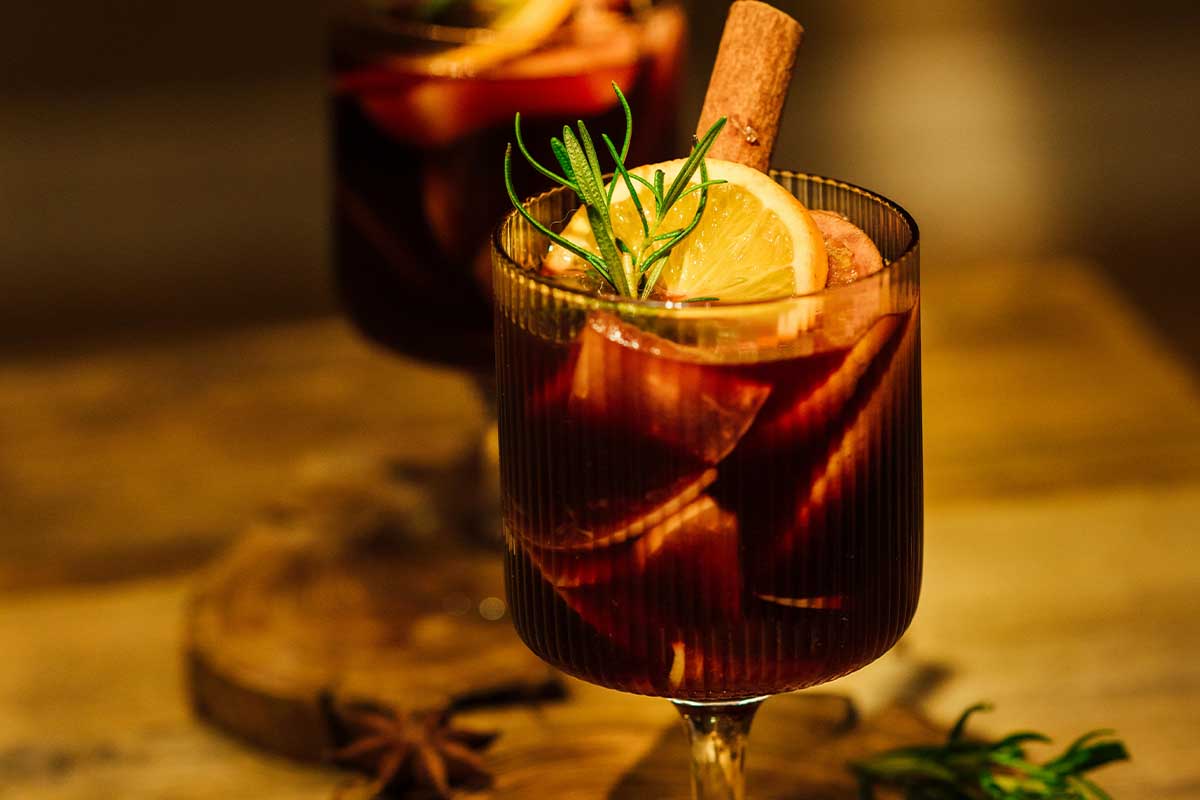
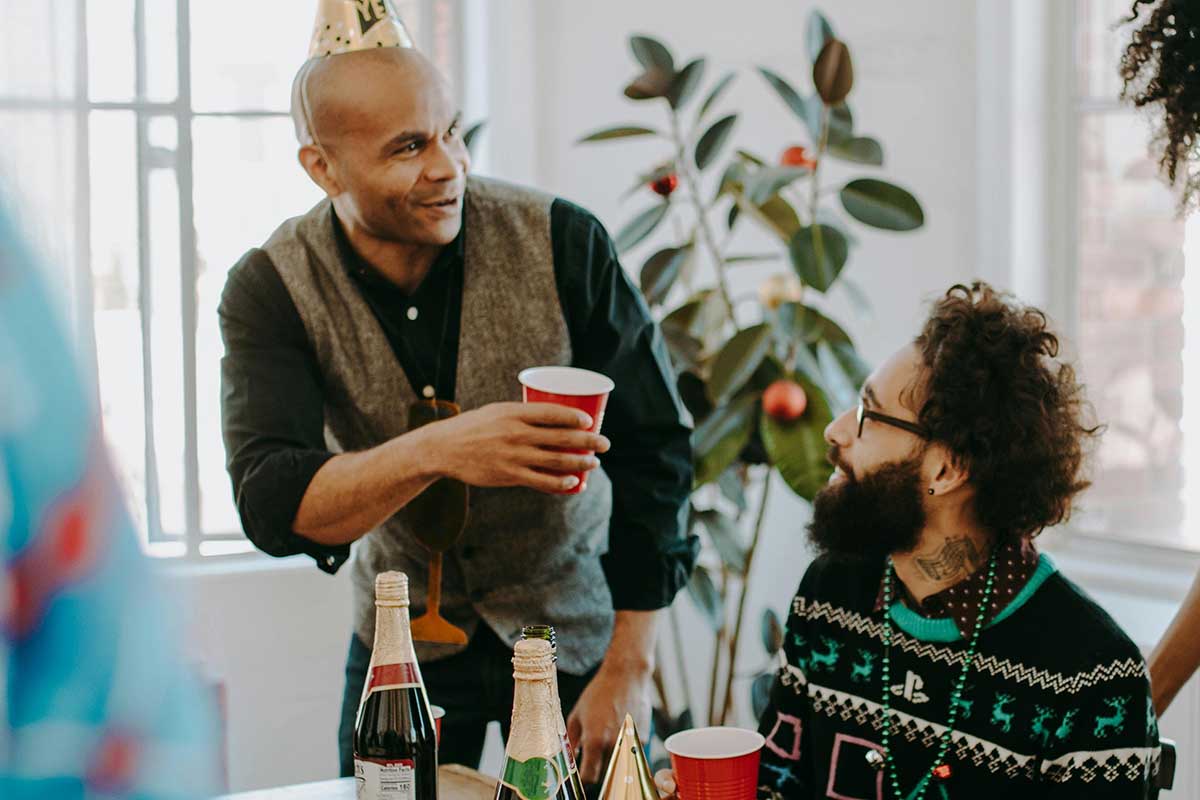
Research shows that having access to non-alcoholic options can help lower alcohol consumption. If you’re hosting a holiday gathering, consider offering a variety of creative mocktails. Unique concoctions like a Rosemary and Clementine Sparkler or Zesty Mediterranean Mocktail can impress more than a traditional bottle of wine. And for holiday events you attend, bring your own alcohol-free mocktail to ensure you have a delightful choice readily available.
Who Stands to Gain?

While some research has specifically targeted women, the principles of mindfulness are beneficial for anyone curious about their own habits and behaviors.
Many people can relate to the desire to never drink again after regretting past choices.
True change begins with the willingness to examine one’s drinking habits mindfully. Embracing mindfulness often encourages self-compassion—an important aspect of any growth journey.
The Importance of Reducing Alcohol Consumption During Festivities

Aside from physical considerations, reducing alcohol intake can also alleviate anxiety and depression. According to a National Alliance on Mental Illness study, 64% of individuals with mental health issues report that the holidays intensify their symptoms. Alcohol can worsen this cycle, as mental health struggles may lead to increased drinking.
Taking time to reflect on the potential impacts of drinking on your mental and physical health can be beneficial in breaking this cycle.
Practicing Mindfulness Around Alcohol
Ultimately, reducing your alcohol consumption over the holidays is about embracing a different kind of journey—exploring the experience of living curiously and intentionally and discovering the effects of drinking less.
It’s not about total abstinence, which can lead to disappointment if slips occur. Instead, revisiting past experiences may provide a pathway toward new choices, whatever that path may be for you.