
We all recognize the remarkable advantages of our smartphones, including their positive impact on the environment through enabling remote work. However, many of us have also pondered the social and mental drawbacks of these devices. What is less commonly acknowledged are the pressing ecological issues tied to the widespread use of these gadgets.
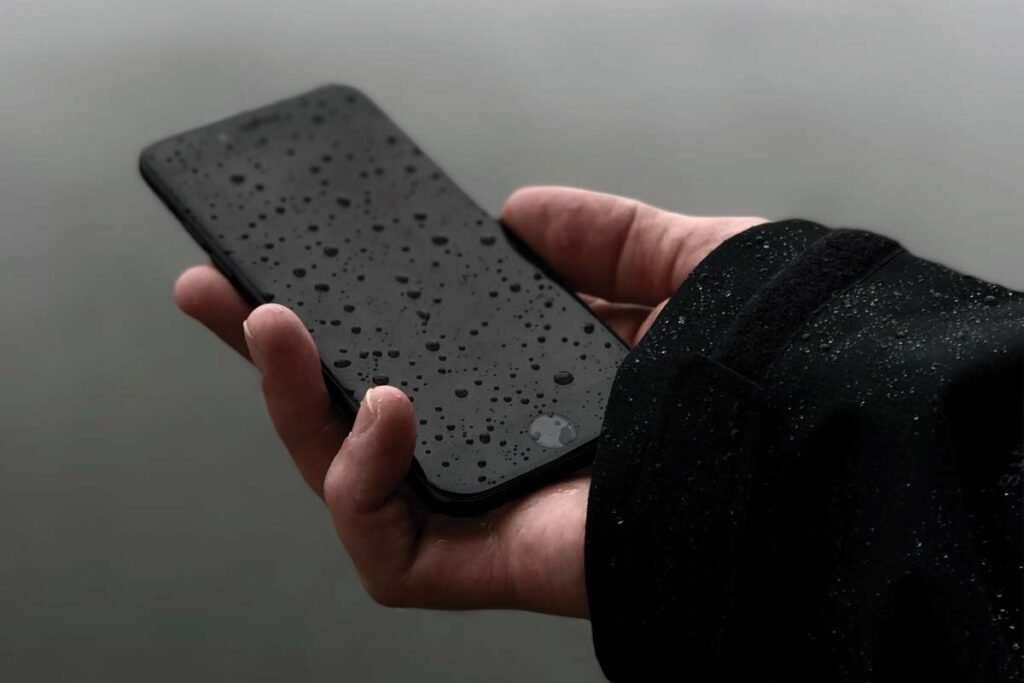
Ironically, on the very day I was tasked to write this article, my smartphone accidentally took a plunge into a rocky stream. To my surprise, it survived—sort of. While I could still send messages and browse the internet, the sound was non-functional (no calling), the camera was disabled, and overall, my year-old phone exhibited the behavior of a cranky child—uncooperative and unpredictable.
Facing the inevitable need for a new phone, I braced myself to spend an unreasonable amount on a replacement. This prompted me to explore the environmental implications of cellphones, leading to a rapidly growing sense of guilt and confusion.
Significant Carbon Emissions
Research conducted by Dr. Lotfi Belkhir from McMaster University’s W Booth School of Engineering Practice and Technology indicates that smartphones are the most ecologically harmful of all information and communication technologies.
While smartphones consume minimal energy during use, their manufacturing processes—including energy-intensive and often hazardous mining as well as various unsustainable production practices—result in a substantial carbon footprint.
And there’s more. The remarkable capabilities of these devices—from texting to video streaming—rely on data centers. Yet, as highlighted by Belkhir in a McMaster University announcement, many of these centers are still powered by fossil fuel-generated electricity.
The Cycle of Overproduction
Additionally, the overwhelming frequency with which new smartphones are produced and sold (approximately 1.5 billion annually since 2016) is staggering. As noted by Alex Sebastian, co-founder of Toronto’s Orchard, which refurbishes and sells pre-owned smartphones, our smartphone habits represent a “recipe for significant environmental harm” due to the fact that “nearly everyone owns one, and we tend to upgrade frequently.”
A significant issue is that most smartphones are designed to have a lifespan of only two years. They are often challenging and costly to repair, and their components are hard to recycle. The rapid obsolescence of smartphones, as reported in Professor Belkhir’s research, is integral to the business strategies employed by phone manufacturers. Moreover, consumers are continually attracted—often on a psychological level—to the allure of the latest must-have features of new smartphone models.
Should I Replace My Phone?
After gaining insight into the environmental impacts of smartphones, I began to question whether I could manage with my damaged device (deemed “beyond repair” by the technician who checked it). Remarkably, I thrived without it for two weeks. However, a flat tire during an intense heat wave made me realize that having the capability to make a phone call wasn’t just a luxury.
I opted for a replacement phone—but not through the traditional route. After assessing my genuine needs, I secured a second-hand device that was in excellent condition and received a small recycling incentive for the phone I had lost to the creek. My newly acquired phone isn’t state-of-the-art—which may indeed be its best feature.