

01
Introducing cortisol—your body’s natural alert mechanism
Scrolling through TikTok can often feel like an endless pursuit of new anxieties. Newly trending? The notion that your face may betray your stress levels (cue collective panic and numerous mirror checks!). However, before you start inspecting your selfies for any evidence of stress, let’s delve deeper into the phenomenon referred to as “cortisol face.”

Picture cortisol as a blend of your morning caffeine boost and an emergency brake. This stress hormone not only helps you wake up but also reacts to threats and manages various bodily functions, including metabolism and immune response. Cortisol is essential for converting fats, proteins, and carbohydrates into energy, controlling blood pressure, and maintaining blood sugar levels.
Rather than being the enemy portrayed on social media, cortisol resembles that intense friend you adore, but only in moderation.
02
The controversial topic of “cortisol face”
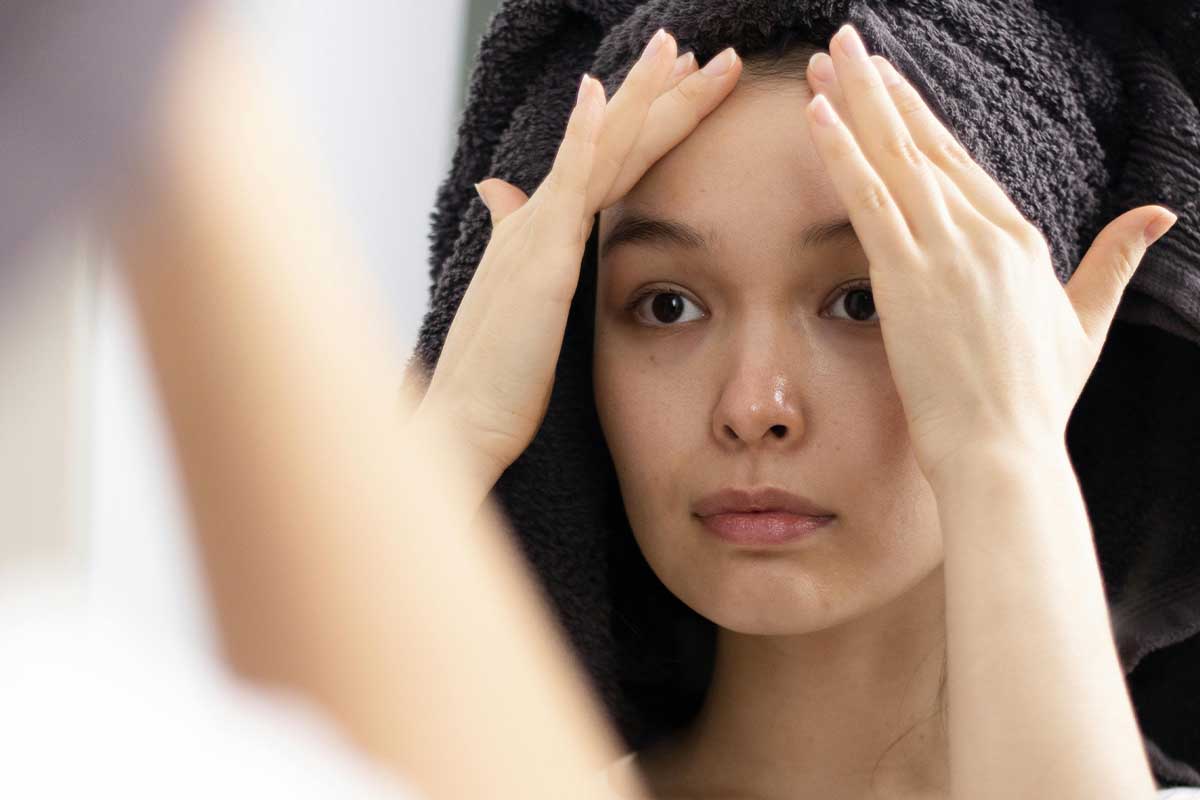
Although elevated cortisol levels can have an impact on facial appearance, the prevalence is nowhere near what your TikTok feed might imply. Blaming cortisol for a puffy face is akin to blaming Mercury retrograde for bad hair days—it’s far more likely that factors such as humidity or product buildup are the culprits.
So, if you’re waking up with morning puffiness, the actual causes are likely to be more mundane: your sleeping position, allergies, dehydration, fluid retention, or last night’s salty takeaway. The mystery is solved!
03
The Cushing’s syndrome link
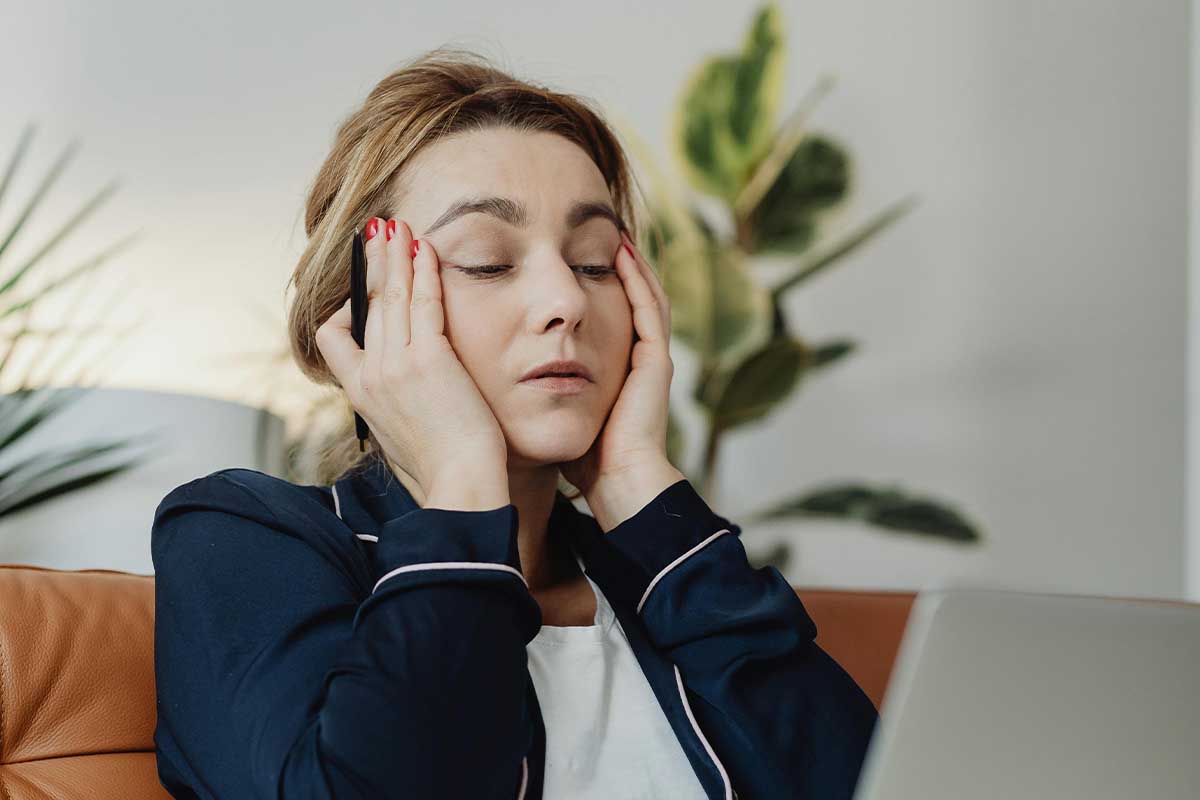
The “cortisol face” concept does have a kernel of truth, stemming from a genuine medical condition known as Cushing’s syndrome, where the body consistently produces excessive cortisol. Though, Cushing’s syndrome is rare, affecting around 40 to 70 individuals per million, making it as improbable to acquire Cushing’s solely from everyday stress as it is to sculpt abs from merely enjoying cat videos (trust me, I’ve tried without success).
04
Why this trend has taken over your feeds

Anxiety spreads like wildfire across social media. Clicking, commenting, and sharing sensational claims boosts visibility on various platforms. Fear-based narratives captivate our interest as they seem urgent (thank you, survival instinct!). Yet, the viral rise of this trend is fueled by more than just fearmongering.
The idea of “cortisol face” provides an alluring, medical-sounding rationale for why our appearance may not always shine (and often includes a suggested remedy). Combine this with our culture of collective burnout and seemingly endless Zoom meetings, and you’ve crafted the perfect formula for a viral wellness trend. It’s a classic social media recipe—take a grain of scientific reality, mix in relatable anxiety, and let the algorithms work their magic.
05
Effective ways to lower your cortisol

Regardless of whether you experience “cortisol face,” managing stress in constructive, effective manners is essential. Did you know that a mere 20-minute stroll in nature can dramatically reduce cortisol levels? Here are other strategies that can help.
06
The sleeping remedy
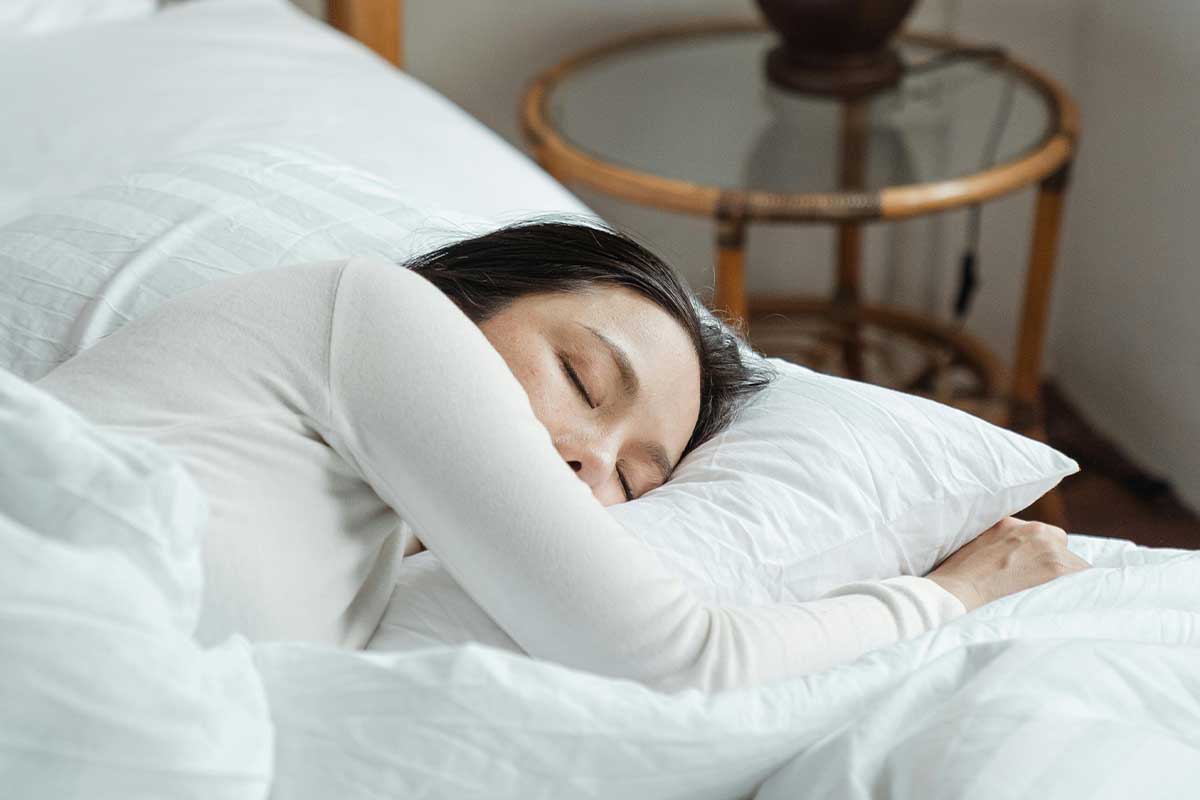
Your cortisol levels naturally decrease at night, but only if given the opportunity. Aim for seven to nine hours of high-quality sleep and maintain a consistent schedule. Think of sleep as the reset button for your body—press it regularly to keep everything functioning optimally.
07
The power of movement

Physical activity serves as your body’s natural stress-relief mechanism, and you don’t need to run a marathon to see benefits. Whether you’re dancing in your living room or biking through a picturesque landscape, regular movement keeps cortisol levels in check and boosts your mood.
08
Dietary influences
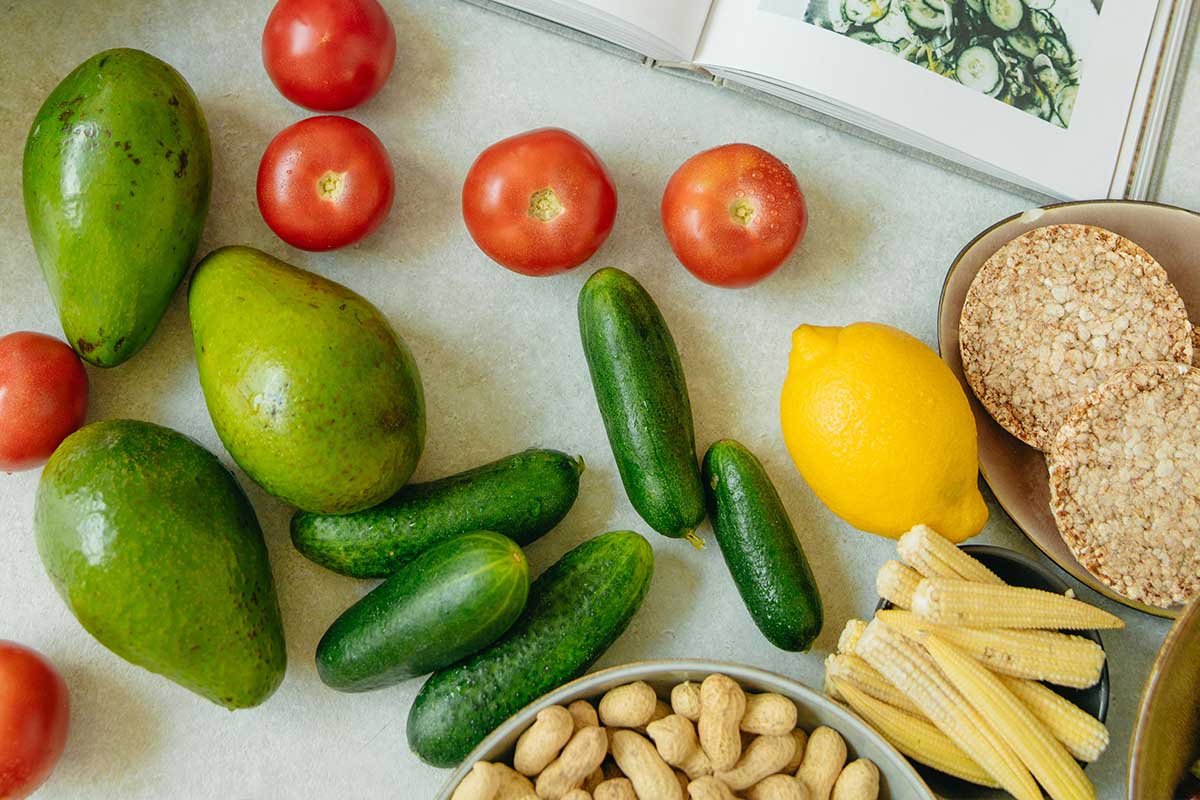
Your kitchen might be hiding some effective stress-reducing foods. Consider incorporating dark chocolate, fatty fish, and avocados—all excellent for managing cortisol levels. Following a Mediterranean-style diet filled with anti-inflammatory foods and including natural herbs and supplements like ashwagandha and lemon balm can also assist in regulating cortisol. It’s best to steer clear of excessive sugar and caffeine, which can exacerbate stress.
Pro tip
If you’re feeling a bit overwhelmed, try some Feel Better Berry Bars that are full of calming superfoods like Brazil nuts, pumpkin seeds, and blueberries.
09
The power of mindfulness
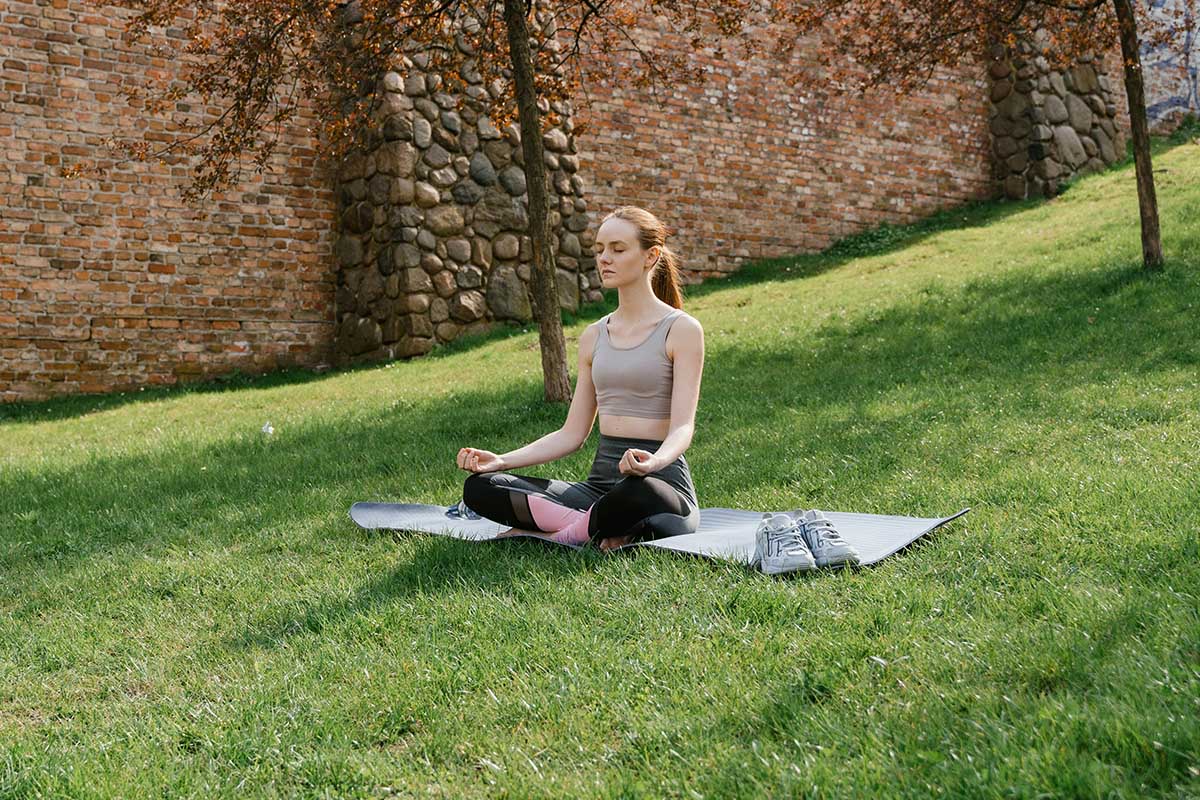
Mindfulness serves as your shortcut for reducing stress. Just a five-minute meditation or simple deep breathing exercises can considerably reduce cortisol levels. Whether you opt for guided apps, traditional meditation, or screen-free walks, these stress-reducing techniques allow your stress hormones to take a well-deserved break.
10
Conclusion
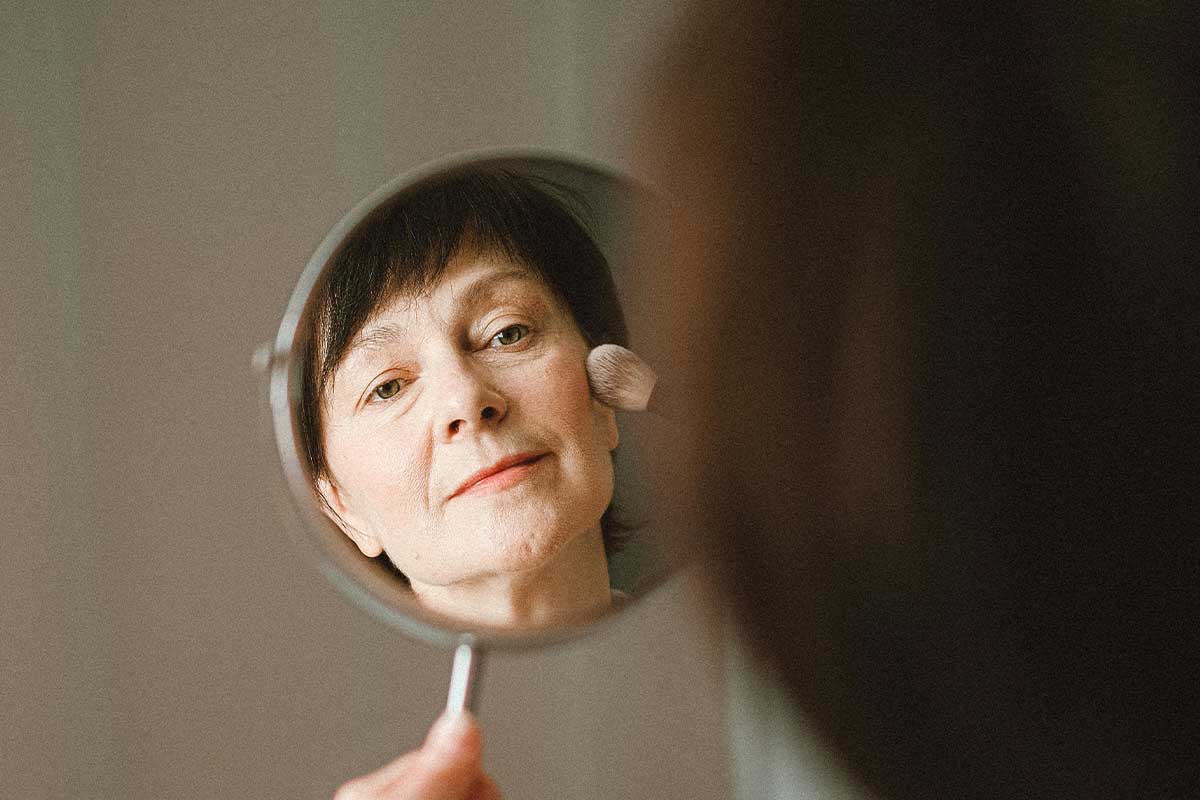
Is cortisol face a reality? Sort of, but not in the manner suggested by TikTok. Faces can sometimes look puffy, and stress does impact our bodies. However, fixating on every minor detail in the mirror is unlikely to yield any benefits. Instead of getting stuck in a social media spiral, prioritize fundamental aspects: consistent sleep, regular physical activity, nourishing meals, and perhaps a bit less time scrolling.