Televeda
When Mac missed his regular virtual painting session, his fellow seniors grew concerned. They took it upon themselves to check up on him and discovered that he had been hospitalized due to an accident. Upon his return a few weeks later, he was greeted with affection by his newfound community.
“He felt acknowledged, realizing there were people waiting for him,” shares Shruti Gurudanti, co-founder of Televëda, an online platform designed to combat loneliness among seniors (the name Mac has been anonymized for privacy).
Gurudanti’s vision for Televëda stemmed from the desire to combat isolation, an experience she intimately understood due to witnessing her grandparents struggle with loneliness during her grandfather’s Alzheimer’s battle.
Connection as a lifeline
In 2018, Gurudanti collaborated with her husband, Mayank Mishra, a software engineer, to build the technology integrating the platform—amplifying the personal bonds that inspired Televëda.
Initially, the software’s development catered only to seniors with the necessary digital skills and technology. To address this barrier, in 2019, Televëda started offering door-to-door services, delivering affordable devices and Wi-Fi alongside training on their usage.
“If you’re fortunate, you will age—and I wanted to create a solution for a generation at risk of loneliness,” Gurudanti remarks.
In response to the broader loneliness crisis, Televëda has broadened its outreach to include Indigenous populations and minority veterans.
This initiative provides peer support and enhances digital access to social and mental health resources, which has greatly aided veterans in finding essential support—a crucial resource for those feeling isolated.
“In working with veterans, our mission is to reduce social isolation while emphasizing suicide prevention,” Gurudanti explains. “Research shows that when veterans are connected with the Veterans Association, their chances of suicide decrease significantly and their health improves.”
Although Gurudanti’s venture was born from her commitment to help seniors, the overarching issue of loneliness propels the organization. “We are motivated by the knowledge that countless individuals still await our assistance.”
Benetech
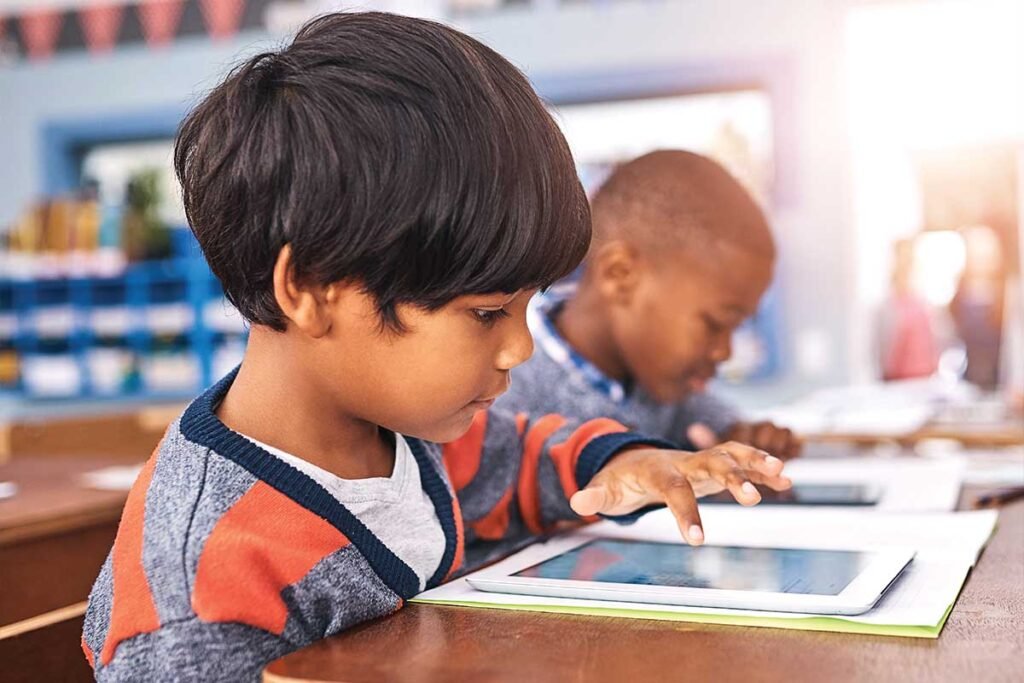
Chloe Deutsch’s life changed dramatically at 13 when reading became a struggle due to Lyme disease, which resulted in debilitating vertigo. While no quick fix was available, she discovered Benetech’s innovative assisted-reading tool, which rekindled her passion for literature.
“For the first time since my diagnosis, I felt reinstated, empowered to learn and engage with the world through literature,” says Deutsch about her experience with Bookshare, an e-book library catering to those with accessibility challenges. “I didn’t want to depend on my parents and teachers for my reading.”
With an impressive collection of over 1.3 million titles, Bookshare supports Benetech’s goal of promoting software for inclusive education.
“By removing barriers, we enable anyone—no matter their age or specific needs—to access reading materials,” explains Ayan Kishore, CEO of Benetech. “This is essential for their overall well-being and success in their careers.”
Kishore emphasizes the urgency for equitable access in education, stating, “Consider a student struggling to learn while others have timely access to materials—delays can drastically impact their academic success.”
In a bid to enhance accessibility, Benetech has teamed up with over 1,000 publishers to produce books designed for accessibility from the start.
Tackling Intersectionality and Inequities
The lack of accessible resources presents a significant challenge, especially for individuals at the intersection of disability, race, and economic disadvantage. This absence of support can foster inequality, illustrated by a University of Pennsylvania study indicating that 66% of incarcerated individuals reported having a disability, compared to 26% of the general U.S. population.
“This highlights a failure in the earlier stage of their education,” Kishore notes.
To combat these issues, Benetech provides free access to Bookshare for students with disabilities, made possible by the contributions of donors, organizations, corporations, and the Department of Education.
Paying it Forward
Now, in her role within higher education, Deutsch champions the cause for students with disabilities, mirroring the support she received from Benetech. “I express my gratitude for fostering innovation that empowers young individuals to succeed in traditionally off-limits environments,” she states in a letter directed at Benetech’s contributors.
This article originally appeared in the March-April 2025 edition of Intomodel magazine (US edition).