
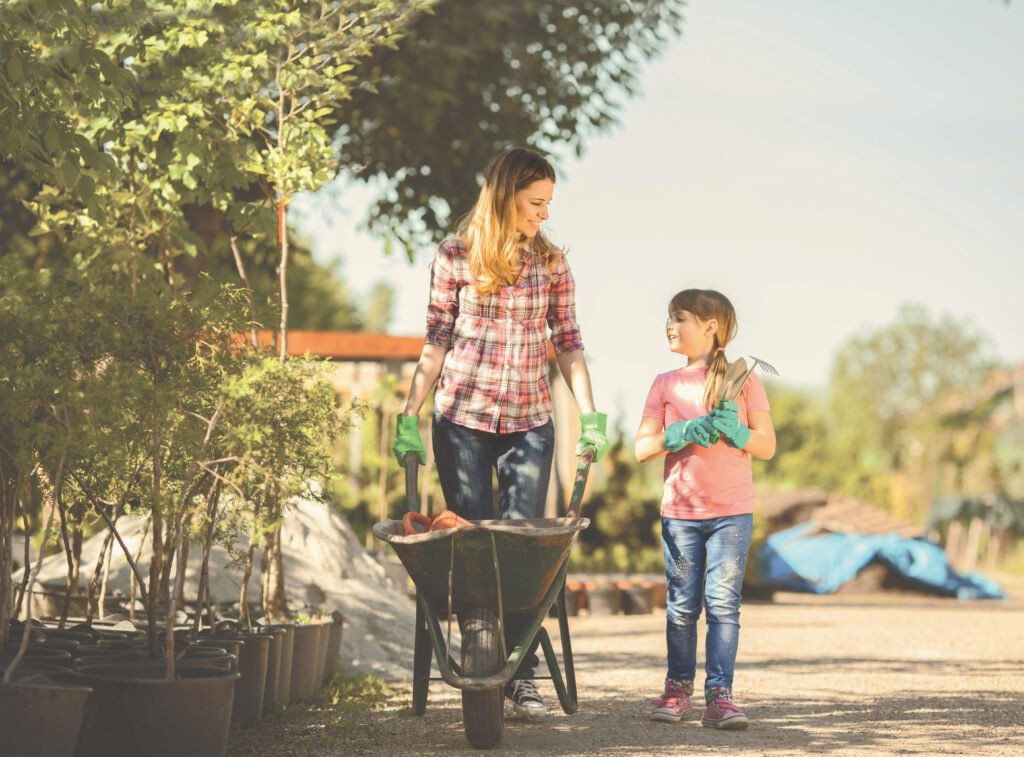
As spring approaches, many parents eagerly anticipate sharing the joy of cultivating vegetable and flower gardens with their children, from planting seeds to reaping a bountiful or uniquely shaped harvest later on. Involving kids in gardening not only broadens their understanding of ecosystems but also provides numerous mental and physical health benefits. It’s the perfect time to start gardening with youngsters!
See the broader perspective
For youngsters, a garden represents more than just planting seeds; it integrates them into a broader ecosystem that serves as a source of learning and inspiration, not to mention its role in encouraging outdoor activities.
A 2012 study by the David Suzuki Foundation revealed that 70% of surveyed youth spend only about an hour daily outdoors. This underscores the importance of encouraging outdoor activity in young children, with parents playing a crucial role in facilitating time spent outside for their teens.
Cultivating connections
Gardening expert Tran suggests selecting plants that will encourage kids to revisit their garden throughout the growing season to foster a connection between them and their plants. Children can deepen their relationship with their plants through:
- caring for them
- observing their growth
- harvesting produce
- assisting with meal preparations
- using plants as decorative elements in the home
- transforming them into gifts
- drying herbs
- saving seeds for next planting
Tran also recommends teaching children about beneficial weeds that grow in the garden, like dandelions and chickweed, which are edible.
Observe and appreciate
One effective method to nurture a child’s connection with nature is to spend quality time outdoors together. Whether it’s exploring your backyard, visiting a local park, or taking a leisurely stroll down a nearby trail, these experiences can be invaluable.
Creating moments to observe wildlife, the vibrant hues of wildflowers, the playfulness of squirrels, or the diverse shapes of tree canopies helps kids and parents appreciate their community as a vital part of the larger natural world.
Emphasizing environmental awareness
How does gardening fit into the ecosystem? When families embark on gardening projects together, they illustrate that gardening encompasses more than just producing food or cultivating pretty flowers.
Investigate the best plants for attracting vital pollinators such as butterflies, hummingbirds, and bees. Learn which insects are drawn to surrounding water features or find shelter in rock gardens. Familiarize yourself with local trees or birds, studying their individual traits to deepen understanding.
As children learn how various elements of nature interact, they can begin to view their gardens as components of a wider ecosystem.
Fostering connections
According to horticultural therapist Lea Tran from Guelph, Ontario, gardening provides children with a sense of purpose.
“They recognize that every entity has a role in the ecosystem. Every aspect is interconnected, providing gifts that sustain the cycle of life,” Tran explains.
To aid children in grasping ecosystem dynamics, Tran proposes the following:
- Emphasize that caring for plants is a fun and important responsibility.
- Create routines, making it simple for children to monitor plants and offering journals for sketching and documenting their observations.
- Establish designated personal garden spaces where each child can cultivate their own plants to enrich their bond with nature.
“Encourage children to engage all their senses while gardening,” Tran recommends. “Involving them in cultivating a family garden can inspire a sense of wonder and magic.”
Nighttime exploration
If summer heat keeps you indoors, consider enjoying your outdoor space at night. Look for nocturnal creatures like bats and fireflies or dig into compost to find worms and introduce them to your garden to enhance soil quality.
Notice how the landscape transforms under the glow of the full moon, and how certain senses, such as sound, become more pronounced after dark. Simply lying on the ground, gazing at the stars helps both kids and parents understand the interconnectedness of the universe; without sunlight, temperature fluctuations, and rainfall, gardening would not be feasible.
Choosing plants
To spark interest in gardening, Tran recommends selecting sizable seeds that are manageable for small hands. Opt for plants that yield substantial seedlings and mature quickly to avoid confusion with weeds. Kid-friendly plants include:
- peas
- beans
- sunflowers
- pumpkins
Starting herbs from seedlings, such as mint, lavender, thyme, and rosemary, is another excellent option. If your little one is keen on flowers, consider easy-to-grow varieties like calendula, marigolds, and zinnias.
Constructing a bee house
Building a bee house for Mason bees, which are harmless, allows children to observe these fruit tree pollinators up close. Simply drill holes into a wooden block or fill a small container with hollow plant stems, then hang it on a fence. Place the bee house outside in early spring so kids can witness the life cycle from eggs to adult bees in the following spring.
For more information about Mason bees, visit your local gardening store for expert advice.
Connected with nature
Research has long shown that children who engage in gardening experience various benefits, including enhanced learning outcomes. Excited to eat what they’ve cultivated, young gardeners are more likely to choose healthier foods.
A 2013 review by the Back to Nature Network analyzed over 100 studies examining the health impacts of green spaces. The findings confirmed that spending time in natural settings correlates with improved health: children who frequently interact with nature showcase lower aggression, greater self-control, and overall better mental and physical health.
The only guideline for gardening with children is simple: keep it enjoyable. The more families engage together in gardening, the more opportunities there are to delight in nature’s wonders, be it a bee hovering around zinnias or a chipmunk sneakily stashing sunflower seeds—all while savoring the unique taste of homegrown, albeit misshapen, carrots.