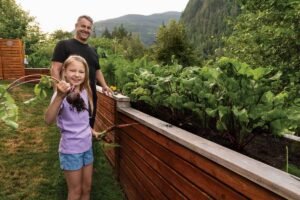
Home gardening has been widely recognized for its numerous benefits to health and well-being. From enhanced quality of life to diminished stress and anxiety levels, many individuals turn to their gardens as a source of inspiration and growth. However, research highlighting the advantages of cultivating plants often overlooks the obstacles that hinder participation. Factors such as limited space, lack of tools, and feelings of inadequacy can turn the idea of maintaining a home garden into an unachievable goal.
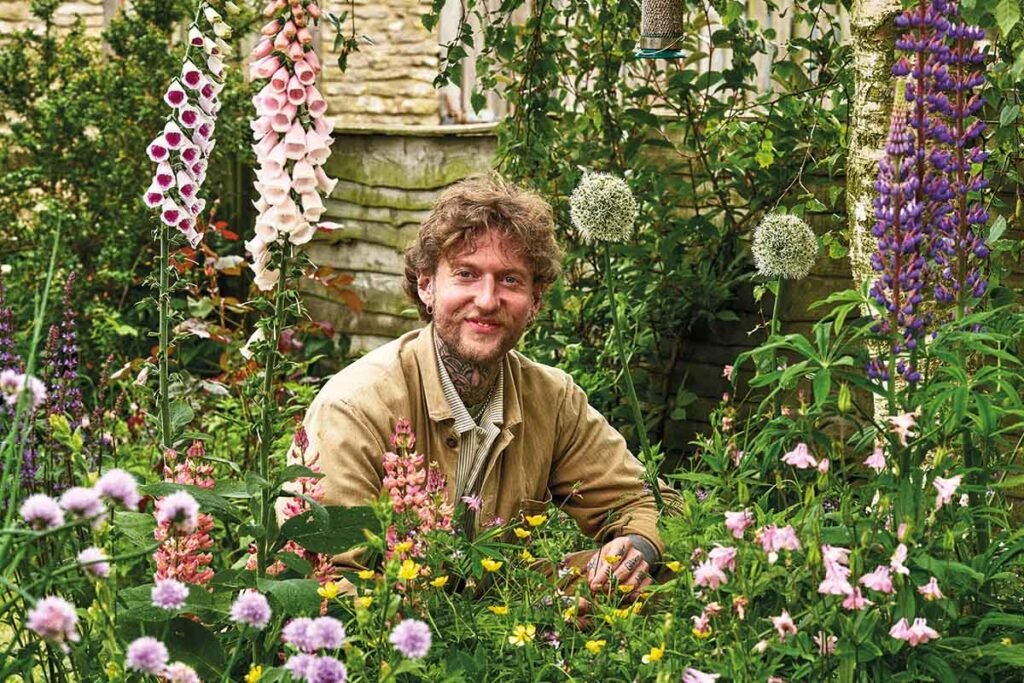
Jamie Walton, an ecological horticulturist and author of Nettles & Petals: Grow Food. Eat Weeds. Save Seeds., aims to make gardening more approachable. While his vibrant garden showcased on Instagram @nettlesandpetals may suggest otherwise, Walton’s journey into horticulture wasn’t as seamless as it appears.
“Social media can create the impression that I’ve always had a green thumb, but that’s not accurate,” Walton explains. “I did not grow up with a garden, nor did my school offer horticulture classes. I only began sowing seeds in my early twenties, starting as a hobby that blossomed into a passion.”
Empowering beginner gardeners
Walton’s initial foray into gardening began with assisting a neighbor in converting an unruly plot into a vegetable garden. This experience propelled him into a journey of education through online courses, self-study, and a unique partnership with a garden designer for the esteemed Chelsea Flower Show hosted by the Royal Horticultural Society.
He worked his way up from a trainee position to head grower on an estate, where he cultivated all food for the premises and managed an organic garden he established, which posed challenges far beyond his initial garden project.
“I was tasked with creating a garden on a steep north-facing slope adjacent to a car park, not far from the ocean,” Walton recalls.
Concentrating on improving soil health and biodiversity, he successfully nurtured a garden that produced crops year-round. Walton’s horticultural revival led him to share his journey online after a YouTube creator expressed interest in his story.
“I propped my phone against a raised bed, filmed a few clips, and uploaded them,” he recalls. “It took off rapidly. Within a month, my follower count skyrocketed from a personal account to around 100,000.”
Now, Walton shares seasonal gardening videos with an enthusiastic Instagram audience of 1.3 million. He aims to provide useful information accessible to all and finds fulfillment in messages from beginners celebrating their gardening successes.
His engaging content also caught the attention of publishers, resulting in his debut book. Described as “a practical and circular guide to ecological gardening,” Nettles & Petals offers insights into seed saving, composting, produce preservation, and more.
“I created this book to communicate the practices and principles I employ when cultivating and caring for an area,” Walton remarks.
Inclusive tips for small-scale gardening
The core of Walton’s content evolves from a desire to simplify home gardening for everyone, regardless of experience or space limitations.
“Utilizing a windowsill planter is excellent, as most people can access a windowsill or balcony,” Walton suggests. “A few pots, organic soil, and plants that appeal to pollinators make a great starting point.”
He recommends opting for smaller salad greens, such as lettuce, arugula, and radishes, which are simple and quick to cultivate. For those with slightly more space, he advises growing potatoes, which can build confidence in novice gardeners.
“Simply plant the potatoes in soil, ensuring the sun does not reach to keep them covered, and you’ll eventually harvest more potatoes,” he advises. “It’s also an enjoyable activity to do with children.”
Underappreciated edible plants and their advantages
Walton encourages aspiring green thumbs to explore lesser-known edible plants in their gardens, with one of his favorites being quite unexpected.
“Nettles are easily my top choice,” Walton shares. “As a child playing varsity football, I once tumbled into a patch of nettles, but I’ve come to appreciate their value.”
Nettles, he explains, are versatile and nutritionally richer than spinach. He utilizes the seeds as a coffee substitute and cooks a variety of dishes, from nettle pesto to nettle-and-potato frittatas. Another noteworthy plant is dandelion, renowned for aiding liver detoxification, which Walton incorporates into tea, transforms into honey, and adds to salads.
“There exists a multitude of annual vegetables that can be challenging to cultivate depending on the situation,” Walton notes. “Typically, the plants that thrive without assistance offer the most benefits.”
His own health improved remarkably as he increased his intake of diverse fruits and vegetables, particularly those he cultivated himself. This realization underlines his commitment to eliminating barriers to gardening access.
Earlier this year, Walton left his position as head grower to initiate a community garden, intending to offer accessible horticulture training and distribute the majority of the produce to low-income families and food banks.
“Cultivating food, flowers, and plants is gratifying wherever it occurs,” Walton reflects, “but it becomes profoundly rewarding when it serves those in need.”
This article was initially featured in the July/August 2025 edition of Intomodel magazine (US version).