
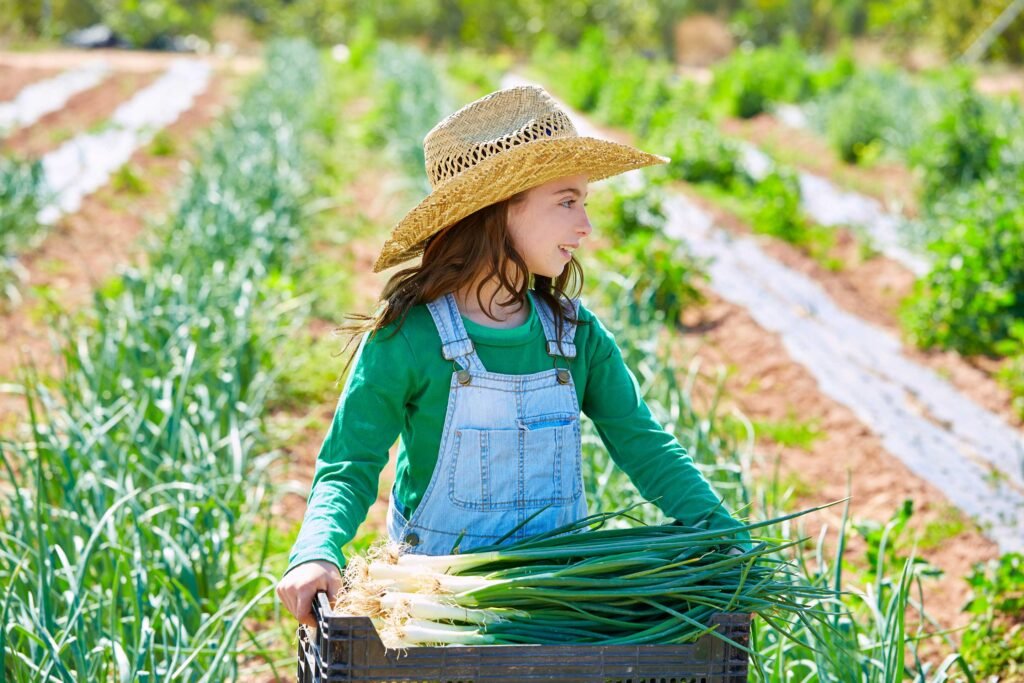
If you enjoyed a meal today, Canada’s farmers deserve your gratitude. However, the farming sector faces significant challenges as many farmers head into retirement. Experts are voicing concerns that a growing disconnect from the food production process contributes to unhealthy eating patterns and an increase in obesity rates. Fortunately, various organizations are taking steps to change this, focusing on engaging children.
Challenges of an Aging Workforce
The demographic landscape of farmers in British Columbia shows that a majority are in their sixties, with less than 5 percent aged thirty-five or younger. This pattern is echoed in other regions across Canada, where the number of retiring farmers is increasingly outpacing the new generation stepping in.
This trend often results in farmland being repurposed for residential development or being absorbed by larger corporate agribusinesses. Insiders from the agricultural industry in Europe, Asia, and the United States report that this shift can lead to increased food insecurity, reduced biodiversity, and a decline in locally-sourced products. Generally, sizable corporate farms rely on imported supplies and distribute their goods broadly, often not contributing to local economies.
Encouraging children to engage with community gardens and farms can bolster local agriculture while offering health benefits. Numerous community initiatives focused on this concept are emerging nationwide.
Planting New Seeds of Knowledge
Fresh Roots, a nonprofit based in Vancouver, champions ecological responsibility and believes that access to fresh food and healthy land is vital for community wellness.
Director Marc Schutzbank draws parallels between the aging farming population and mastering a challenging classical music piece. “A skilled pianist may rehearse a million times before performing,” he explains. “Conversely, a Canadian farmer might only cultivate their crops about 60 times during their career.”
“This underscores the importance of knowledge transfer from one farmer to the next,” Schutzbank elaborates. He emphasizes the significance of understanding how soil functions and the unique features of specific lands. “We need to consider how we can ensure that the invaluable knowledge held by these farmers is preserved and shared,” he prompts.
Fresh Roots is keen on educating the youth about the importance of Canadian farming by highlighting the journey of food. “Our mission is to help urban audiences recognize the value of supporting local farmers,” Schutzbank states.
If connections between generations aren’t fostered, the essential knowledge that should transition from established to novice farmers could be lost. “Without that learning, it’s akin to cutting off a pianist’s ability to perform,” warns Schutzbank. “We risk losing the vital expertise and experience needed to cultivate our agricultural practices.”
Transforming Education through Agriculture
In 2010, Fresh Roots launched its first edible schoolyard program at an elementary institution. This initiative later evolved into a partnership with the Vancouver School Board to establish Schoolyard Market Gardens.
These gardens serve as Canada’s inaugural outdoor classrooms. Rather than traditional desks, students immerse themselves in the soil, learning about agriculture, cooking, and the merit of consuming locally-grown produce. Staff and volunteers dedicate their efforts to planting seeds of inspiration in students about the essentials of sustainable and nutritious food.
“Our focus is primarily on crops like kale and broccoli,” Schutzbank jests. “Research shows that engagement in gardening typically leads to increased vegetable consumption. The objective of Fresh Roots, alongside similar organizations, is to remind everyone that healthy eating can be straightforward.”
Health Through Horticulture
In the past thirty years, childhood obesity rates in Canada have surged by 300 percent. Most affected children are unlikely to return to a healthy weight, resulting in potential self-esteem challenges, an increased risk for chronic illnesses like diabetes and hypertension, and diminished academic performance.
Multiple factors contribute to the health and nutrition of children, including a deficit in food education, food scarcity, lack of access to nutritious options, and insufficient exposure to gardening and farming environments that could cultivate appreciation for healthy eating.
Organizations like Fresh Roots find themselves at this crucial intersection. “There’s a growing disconnect with our food system,” Schutzbank observes, “leading to poor dietary choices that have far-reaching consequences for both physical and mental well-being.”
The Public Health Agency of Canada concurs, noting that children involved in gardening tend to show improved health outcomes. Their recommendations to combat childhood obesity stress the need to bolster community capacities for local food production and garden initiatives, putting more children in contact with agriculture. Fresh Roots and similar organizations have witnessed firsthand the positive shifts in children’s food choices and their growing interest in vegetables.
“We simply need to cultivate a relationship with our vegetables,” says Schutzbank. He recalls a story about two grade three boys who had never tasted broccoli, but by year’s end were competing for the chance to try purple broccoli.
Beyond the school collaborations, Fresh Roots also offers a summer program that hires youth to work on various farms and prepare healthy meals for themselves and the community. “Some of these students had never encountered vegetables in their meals,” Schutzbank notes. “They lacked ownership over their diets and health.”
Last summer, one student found a love for local zucchini, creating dishes like zucchini fritters and pasta to incorporate it into her cooking repertoire.
Fostering a Sustainable Future
The benefits extend beyond children and schools; vegetables grown in Fresh Roots’s schoolyard gardens make their way to restaurants across British Columbia and beyond.
“It’s easy to overlook the variety of products farmers provide that don’t just end up in grocery stores,” Schutzbank points out, referencing local jams and products made from Canadian ingredients. “A large portion contributes to a secondary cottage industry. Revitalizing our food system requires supporting farmers at every level.”
From a broader viewpoint, Fresh Roots is not only creating green employment opportunities and promoting local food security but also enriching community health and enhancing educational experiences for students. In the long run, hands-on learning may play a vital role in changing the narrative of Canada’s aging farming sector as more youth engage with food cultivation.
Nurturing Tomorrow’s Farmers
As we uncover the advantages of introducing gardening and fresh food to children—and ourselves—more individuals express interest in participating. “The most immediate action you can take is to go outside and plant a seed,” Schutzbank encourages. “Engage in your personal food narrative.”
Should this ignite a passion, he suggests connecting with one of the many similar organizations nationwide, all of which welcome volunteers, donations, and other forms of support.
Lastly, prioritize purchasing local produce. “When you shop, remember to support local farmers,” advises Schutzbank. The sustenance of these initiatives hinges entirely on the hard work of Canadian farmers. Look for labels indicating locally sourced products and consider shopping at farmers’ markets.
“Let’s work together to cultivate high-quality food for everyone,” concludes Schutzbank. “That’s the core message.”