
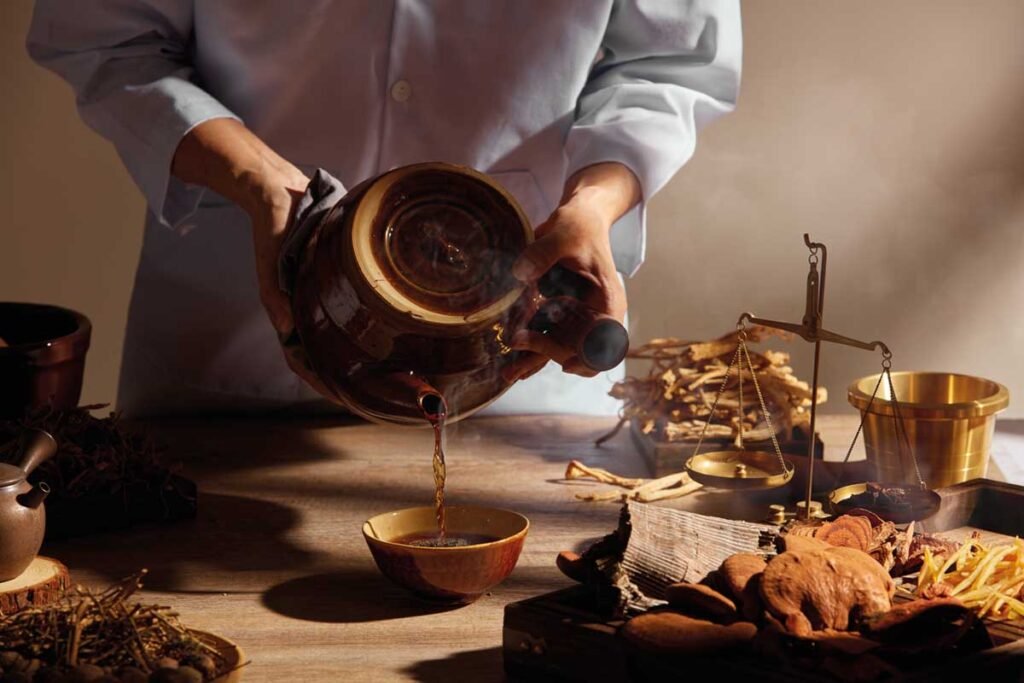
From time immemorial, humans have relied on the earth for remedies to various ailments. This approach to healthcare remains relevant today; in fact, approximately 70% of India’s population continues to depend on traditional herbal treatments and practitioners, especially in rural regions. Simultaneously, there is a growing interest in holistic health and traditional medicine in Western societies, with many people actively seeking guidance from practitioners in these fields.
Global Traditional Medicine Practices
Chinese Traditional Medicine
Traditional Chinese Medicine (TCM) centers around the concept of qi, which signifies the energy flowing through all things in the universe. An imbalance in qi is believed to lead to health issues. The ancients held that optimal health is achieved through harmony between the body’s organs and the external environment. Techniques such as acupuncture, tai chi, and cupping are common practices within TCM.
Medicinal Practices in India
Traditional medicine in India is categorized into three main systems: Ayurveda, Siddha, and Unani. Ayurveda is the most prevalent, focusing on a comprehensive and personalized approach aimed at enhancing longevity and wellness. Similar to TCM, Indian medicinal practices emphasize the balance between bodily organs and the external environment.
Indigenous Healing Practices
Indigenous groups in North America have long engaged in traditional healing methods. These methods include ceremonial practices and the use of plant, animal, or mineral-based medicines, along with energetic therapies and various tactile techniques that prioritize a deep connection with the earth.
African Traditional Medicine
Grounded in spirituality, traditional African medicine often involves practitioners turning to divination to seek insight from deities and ancestral spirits for diagnosis, followed by treatment using various herbal remedies.
Distinctions of Traditional Medicine
According to medical herbalist Krista Dawn Poulton, conventional medicine often focuses on diagnosing diseases after symptoms arise. In contrast, traditional medicine adopts a more holistic stance, emphasizing prevention over treatment. It tends to fill the voids left by conventional practices and is frequently viewed as a last resort in addressing existing conditions, Poulton added.
While traditional medicine is sometimes perceived as pre-scientific, it is essential to recognize that many current medicines have origins in plant-based compounds. For instance, aspirin is derived from willow bark, morphine from the opium poppy, and vincristine, a chemotherapy agent, was isolated from a Madagascar periwinkle flower in 1961.
Who Engages with Traditional Medicine?
Research indicates that a significant proportion of the global population, over half, utilizes various forms of traditional or alternative medicine. In the West, individuals who feel marginalized by the healthcare system—such as those awaiting diagnoses or feeling unheard—are increasingly turning to alternative practices, Poulton observes.
There is a rising trend in Western societies towards proactive health management, emphasizing preventive care and lifestyle choices. In Canada, the market for complementary and alternative medicine is experiencing consistent growth, showing promise for the future as consumers seek dependable health solutions.
Advantages and Limitations of Traditional Medicine
A central advantage of alternative and traditional medicine lies in its holistic perspective towards health. Practitioners often dedicate over an hour per session with each patient, addressing a broad spectrum of concerns, according to Poulton.
In contrast, a conventional medical appointment may typically focus on a singular issue, risking a loss of the comprehensive understanding required for accurate diagnosis. However, there may be insufficient scientific research validating some traditional treatments, leading to potential unknown side effects.
Integrating Different Approaches
Canada’s healthcare system is under immense pressure, which Poulton attributes to a dependency on acute care rather than preventive strategies. Improving health outcomes and reducing costs could be achieved by merging conventional and traditional medicine approaches to foster proactive healthcare with effective natural remedies and healthy lifestyle practices.
This article first appeared in the March 2025 edition of Intomodel magazine.