
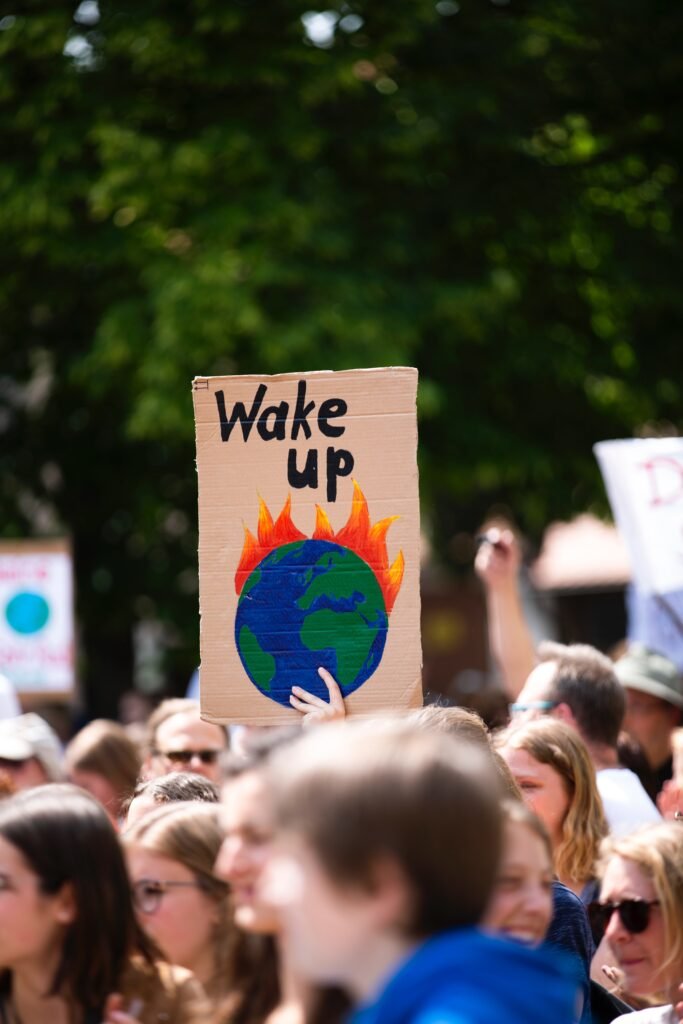
In September 2019, a staggering 6 million individuals took to the streets globally to protest for climate action. This movement, sparked by 16-year-old Swedish climate advocate Greta Thunberg, made its mark during the Global Week for Future, sending a powerful message to leaders around the globe: we refuse to passively watch as our futures are compromised for the benefit of oil companies and industry.
While the September 2019 climate strikes were heralded as the largest environmental demonstration in history, they represent just a fraction of contemporary mass activism. Take, for example, the 2017 Women’s March—ignited by the results of the 2016 US presidential election, it drew in over 5.2 million participants across the United States. Additionally, the growing Zero Waste movement, predominantly led by women, highlights a significant shift towards minimizing single-use plastic consumption and encouraging others to follow suit.
As the dangers of environmental catastrophe and authoritarianism become increasingly clear, passionate citizens are risking their well-being—both physically, as they confront the potential for violence at demonstrations, and emotionally, through experiences of activist burnout.
Understanding Activist Burnout
Activist burnout is characterized by the deterioration of both physical and emotional health due to prolonged stress associated with activism, ultimately affecting the individual’s connection to their cause and diminishing their effectiveness. Symptoms can manifest as irritability, feelings of hopelessness, loss of joy in previously enjoyed activities, indecisiveness, lack of concentration, and fatigue, as noted by the now-defunct Activist Trauma Support website.
Nandini Jammi, co-founder of Sleeping Giants, an organization committed to making bigotry financially unviable, describes her struggle with activist burnout as a persistent inner dialogue questioning her purpose. After frequenting Twitter to monitor developments, she absorbs a torrent of anger and sadness. Recognizing the telltale signs prompts her to take a step back and restore her emotional well-being.
Confronting Activist Burnout
For many, activism can resemble a demanding full-time role layered on top of their existing commitments, leading to significant mental and physical drain. Below are some activist-endorsed strategies to mitigate the adverse effects of activism.
Take Initiative
Although it may seem counterproductive to increase activity while experiencing burnout, taking action can often lighten the emotional load.
A 2014 research study published in the International Journal of Mental Health Systems found that rumination can contribute to depression in individuals with low hope. Conversely, those with high hope tend to be less affected by such rumination. Taking action—however small, like sending an email—can interrupt this cycle. By redirecting negative feelings into a constructive outlet, you may find a renewed sense of hope.
Sustainability educator Leah Payne echoes the sentiment that “engaging more, rather than less, is beneficial,” particularly “connecting with like-minded individuals and collaborating at a local level,” which she finds invigorating.
Practice Genuine Self-Care
While self-care has become synonymous with expensive spa experiences and shopping sprees, authentic self-care is about what truly rejuvenates you.
Polly Barks, a Zero Waste and sustainability educator, emphasizes the importance of meaningful self-care. While indulging in a face mask is fine, she asserts that it should be balanced with actions like contacting your representative regarding climate change. Barks notes that one cannot escape environmental responsibility since “it permeates our daily lives.” Comfort may be hollow if obtained through plastic-wrapped snacks, and vacations become burdensome when weighed against their carbon footprint. She advocates identifying a few habits that alleviate eco-guilt, allowing for relief from eco-anxiety, like spending time outdoors.
The Power of Community
As much of our daily lives shift online, so too does activism. However, Jammi warns that digital activism can feel isolating, as few share the same level of passion for these causes. To combat this, she created a supportive group with fellow women activists.
This space serves as a platform for venting frustrations, celebrating achievements without judgment, and addressing workplace challenges. Forming this group has been crucial for navigating difficult periods of burnout and discouragement.
Barks agrees on the importance of community—not only for support but also as a catalyst for change. “Our current systems often encourage isolation from our communities,” she explains, asserting that creating systems that foster togetherness is, in itself, a powerful form of activism.
Recognizing When to Seek Assistance
In addition to facing burnout, activists may grapple with mental health challenges including depression, anxiety, and PTSD. It’s vital to regularly assess your emotional state and seek help when needed.
Payne emphasizes the value of taking time to relax, enjoy some escapist entertainment, and unwind with snacks. However, if you are experiencing deeper anxiety or depression, she affirms, seeking professional support should not be an afterthought.
This article was originally featured in the April 2020 issue of Intomodel Canada under the title “Hacking Activist Burnout.”