
Quick—what’s your top choice for summer fun? Perhaps it involves an energetic pursuit like forest hiking, or you prefer lounging on the beach. You might enjoy spending sunny days in your garden or out at a campsite. No matter what your summer plans entail, there are ways to enhance them with eco-conscious practices while ensuring a memorable experience. Here’s a comprehensive guide to an environmentally responsible summer that you and your family will cherish.
30 Eco-Friendly Summer Bucket List Ideas
- Plan a road trip that minimizes your carbon footprint: consider carpooling or utilizing public transport.
- Visit your local farmers’ market. Engage with the vendors to learn about their produce and then experiment with a fresh, plant-based recipe using your purchases!
- Enjoy a hike in nature or explore a forest trail. Not an expert? That’s fine! Find trails suitable for your family’s skill level—there are options for all abilities, even if you’re babywearing or using a stroller.
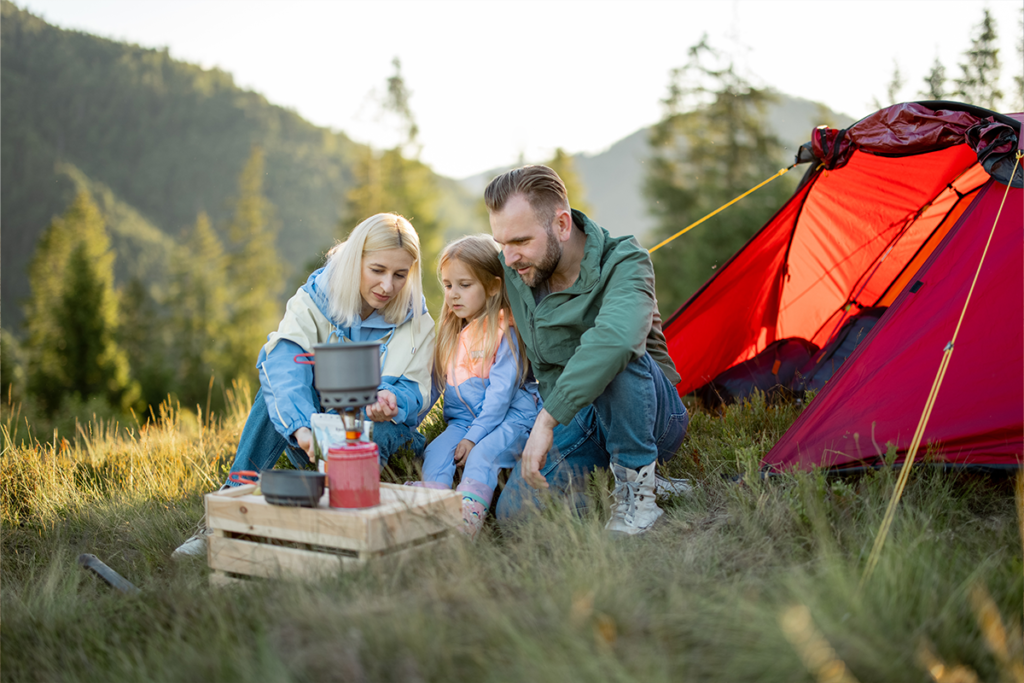
- Experience camping. If you lack camping gear, reduce your impact by borrowing from friends or purchasing secondhand items.
- Make refreshing frozen treats like ice pops using overly-ripe fruits and berries. You can even blend smoothies and freeze them in ice pop molds!
- Swim in a nearby lake or coastal area.
- Have a picnic! Use local, seasonal ingredients for your meal and bring reusable items from home, including cloth napkins.
- Create a Little Free Library within your community.
- Learn about the plants and animals around you, including mushrooms, berries, and birds. A botany guide or a smartphone app can assist with identification.
- Enjoy a classic bike ride.
- Host a pizza party featuring locally sourced ingredients.
- Organize a clothing swap, toy exchange, or garage sale in your area. Involve other families to trade items you no longer need.
- Start a garden. If you don’t have a backyard, try container gardening or utilize your community’s gardening spaces.
- Participate in a local shoreline cleanup effort.
- Engage in citizen science by volunteering to collect and report data for governmental or nonprofit organizations (explore programs by Nature Kids BC, Birds Canada, or Parks Canada for ideas).
- Stay up late for stargazing. Attempt to identify different constellations, stars, and planets, and keep track of the moon’s phases (don’t forget organic, fair trade hot chocolate!).
- Support local pollinators by getting involved with the David Suzuki Foundation’s Butterflyway Project.
- Be a tourist in your own city—explore by walking, biking, or taking public transit, and visit local cafés, restaurants, and attractions.
- Learn to save seeds for future planting.
- Volunteer to harvest fruit from local trees to prevent waste. Look for gleaning initiatives like Vancouver Fruit Tree.
- Organize a zero-waste neighborhood potluck or block party (remind guests to bring their reusable items!).
- Enhance your culinary eco-skills: learn baking from scratch or explore fermenting/canning to preserve seasonal produce.
- Volunteer in local parks to help remove invasive species.
- Practice forest bathing by simply soaking in the environment and appreciating the sights and sounds of the woods.
- Explore a new activity: try canoeing, kayaking, surfing, or paddleboarding lessons.
- Create a nature mandala using natural materials.
- Go foraging (take a class or go with an experienced guide to ensure safety and sustainability).
- Celebrate the summer solstice by attending local events or marking the day in nature in your own meaningful way.
- Offer assistance to neighbors by weeding their gardens or maintaining lawns.
- Make your own bubble solution and indulge in bubble-blowing fun.
Eco-Friendly Wedding Gifts
This wedding season, why not opt for environmentally friendly gifts? If there’s no registry or you’re considering alternatives (and it’s wise to check the couple’s preferences first), think about giving:
- eco-conscious home cleaning products
- handcrafted home items from local artisans
- gardening tools or plants
- outdoor gear for activities like camping
- experience gifts such as vouchers for local services or experiences
- contributions to an environmental nonprofit
- cash—it may not be celebratory but it can certainly be valuable!
Summer Skincare Tips
As summer approaches, you may want to adjust your skincare routine. Switching from a thick moisturizer to a lightweight lotion or gel-cream could be beneficial, and a refreshing facial mist can be delightful on hot days. As always, remember to cleanse your skin gently and remove makeup before bedtime.
Of course, sunscreen is an essential aspect of any skincare routine, providing protection against skin cancer, sunburn, hyperpigmentation, and aging. Experts recommend using a broad-spectrum SPF of 30 or higher for daily activities, and SPF 60 or higher for extended outdoor time, with reapplications every two hours. Don’t forget a lip balm with SPF!
When selecting sunscreen, dermatologists emphasize that “the best one is the one you will actually apply.” Mineral sunscreens are often favored by those with sensitive skin, but those with deeper skin tones may notice that some mineral options leave a whitish residue. It’s important to find what suits your skin type.
The discussion regarding the environmental impact of chemical sunscreens, particularly their effect on coral reefs, is complex. Some studies indicate that nano-sized particles in certain mineral sunscreens might also be harmful to coral. Hence, taking action against climate change is essential for the protection of our oceans.
Some of the most straightforward and natural alternatives to sunscreen involve protection from the sun through hats, UV-blocking clothing and swimwear, and limiting sun exposure. For mild sunburns, topical aloe vera can be soothing, but severe cases may require attention from a healthcare professional.