In her seminal 1971 book, Knitting Without Tears, Elizabeth Zimmerman humorously expresses her preference for natural fibers: “For those with wool allergies, it is truly disheartening. Synthetic options provide a fantastic substitute, but at the end of the day, they are merely that—a substitute.” Fast forward fifty years, and it seems increasingly challenging to locate a piece of clothing or household fabric that isn’t at least partially synthetic.
Simultaneously, as more people become aware of the ecological repercussions associated with these primarily petroleum-based materials, interest in natural fibers like wool and other animal sources has seen a resurgence.
The Marvels of Wool
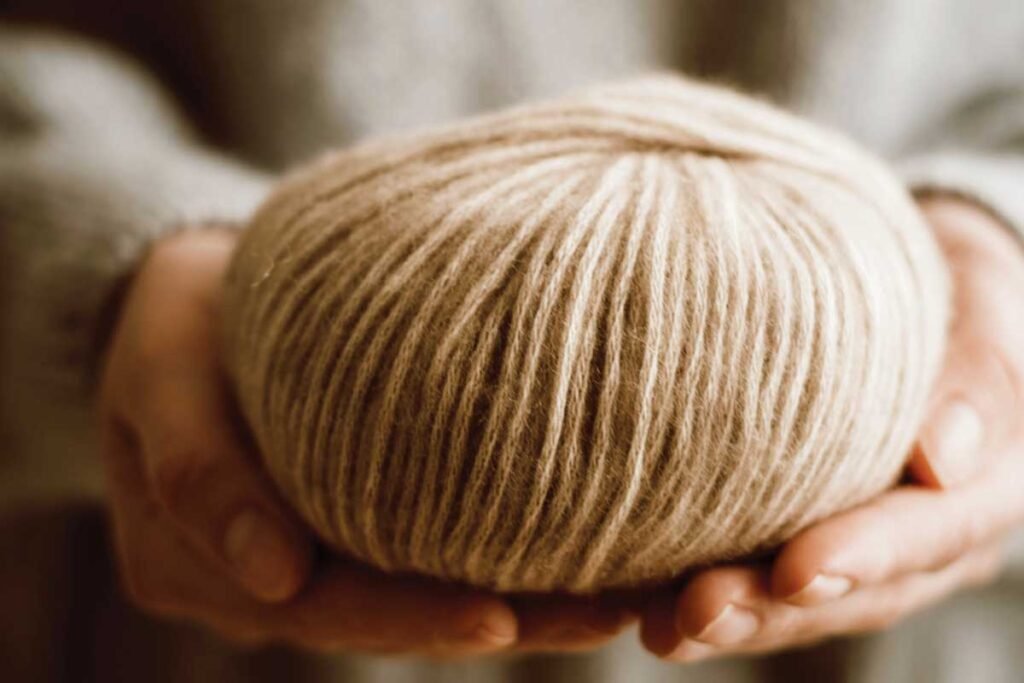
The practice of spinning wool into fibers suitable for weaving has its origins in ancient civilizations, thanks to the remarkable properties wool possesses. It provides insulation, is breathable, wicks moisture, is fire-resistant, and maintains its shape. Additionally, wool is durable, can be dyed, is biodegradable, and comes in a vast array of textures and natural hues.
Colorful Wool
Maddy Purves-Smith, the co-owner and manager of Custom Woolen Mills (CWM, customwoolenmills.com) located near Carstairs, Alberta, is a fervent proponent of natural fibers and the philosophy of “slow fashion.” Her family-owned enterprise utilizes late 19th-century machinery to convert fiber into a diverse range of products, including unprocessed wool, yarn, bedding, and knitted items.
Although their production levels are notably lower than those of contemporary industrial mills, CWM emphasizes the sustainable nature of their operations and the customization they can provide for individual customer requests. CWM prides itself on equally valuing the various natural shades of sheep, alpaca, and other animal fibers when sourcing fleece from farmers, a practice not typically shared by larger mills, which often consider non-white fleece inferior.
Additionally, much of the uniformly white wool sought by these mills is dyed with processes and chemicals that pose serious risks to the environment and public health. In contrast, CWM’s small selection of dyed yarns features hues derived from local plants, significantly more environmentally friendly.
The Environmentally Friendly Alpaca
While sheep’s wool dominates the offerings in most yarn shops, Edward Pickering and Shauna Seabrook of Chetwyn Farms (chetwynfarms.com) in Hillier, Ontario, have committed their time and resources to alpaca farming.
Alpaca yarn possesses numerous appealing characteristics—it is softer and warmer by weight than sheep wool—and the sociable and eco-conscious nature of the animals drew Pickering and Seabrook to this path of farming and small-scale yarn production.
Considering that alpacas naturally inhabit mountainous regions, they thrive on sparse grasslands without needing lush pastures. Interestingly, Pickering points out, alpacas lack upper teeth, making them gentler on the land, as they “gum” the grass rather than uproot it.
“They don’t pull the grass out; they gum it!” he remarks with amusement. Alpacas also conveniently deposit their droppings in a single, shared location, producing pelleted manure, which serves as an immediate fertilizer for the soil.
A Detailed Process
Textile production, like all endeavors that involve transforming the natural world for human benefit, comprises intricate and various components. Some critical areas for further examination include the global requirement for enhanced regenerative agricultural methods and the contribution of newer synthetic materials that are made from recycled inputs or through closed-loop production systems.
As with our food choices, selecting textiles can be complex. Nonetheless, it is wise to follow Purves-Smith’s counsel to “explore the stories behind our textiles” and to consider the welfare of the individuals, animals, and ecosystems impacted by our decisions.
This article was originally featured in the December 2024 edition of Intomodel magazine.