
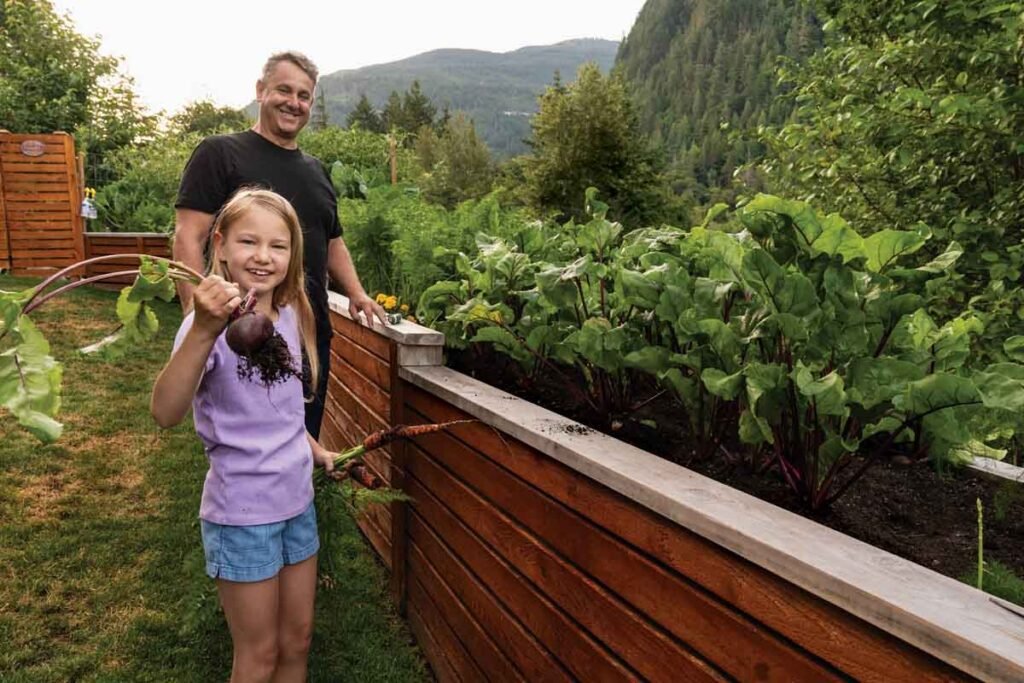
Step into the produce aisle of any contemporary supermarket, and you’ll encounter a stunning selection of fruits and vegetables sourced from around the world. Yet, alongside this convenient access, there is a growing enthusiasm for home gardening, reflecting a deep-seated passion for cultivation and its numerous advantages, such as fostering sustainability and aligning with seasonal rhythms.
Throughout history, the relevance of home gardens has shifted, driven by factors like rising food prices or a desire to reconnect with the natural world. Nevertheless, the drive to cultivate and preserve homegrown produce remains robust.
Introducing Paul Griffiths—avid gardener
For the last five years, Paul Griffiths, a devoted gardener from Squamish, BC, has cultivated a flourishing home garden that continues to expand with every season. “As my garden grows, it demands more time and investment, but the rewards for me and my family are immeasurable,” Griffiths shares.
He recognizes that tending to his garden and preserving its bounty grants him a sense of control and fulfillment regarding his food choices throughout the year.
With his growing experience, Griffiths has learned to produce a substantial quantity of nutritious food in a relatively small area. “There’s nothing quite like heading into my yard to gather dinner.”
Gardening has also strengthened his bond with his now 9-year-old daughter. “It’s become a cherished father-daughter activity that includes harvesting together.” They even entered some of their homegrown vegetables, including an amusingly shaped squash, in a local autumn fair.
For generations of homesteaders, like Griffiths, the joy of nurturing their gardens has been immensely satisfying. The motivations for picking up gardening tools are numerous—let’s just ignore the dirt under the fingernails.
Enhancing Your Health
Gardening offers a wealth of advantages, from easy access to fresh produce to fostering physical activity, social interactions, and enhanced mental health. Beyond the delicious harvests, engaging in gardening can also yield significant health benefits.
Mental Well-being
“One major reason I keep gardening is the positive impact it has on my mental health,” Griffiths reflects. “Having my hands in the soil and my feet in the grass fosters a deep connection to nature that consistently enhances my mood.” He believes that the mental health benefits are so substantial that even without the produce, he would still cultivate a garden.
Heart Health Improvement
A recent study published in the Journal of the Academy of Nutrition and Dietetics indicated that gardening among older adults is linked to improved heart health and a lower risk of diabetes. Gardeners tend to consume a higher quantity of fruits and vegetables compared to those who do not engage in physical activity, which may contribute to these health advantages.
In another study from The Lancet Planetary Health, participants involved in community gardening exhibited increased weekly physical activity, greater fiber consumption, and reduced stress and anxiety levels compared to non-gardeners.
Effective Weight Management
A comprehensive review from Health Promotion International suggests that gardening positively impacts body weight. A day spent tending to the garden is a productive form of exercise that burns calories. Involving children in gardening can promote healthier eating habits and decrease their intake of highly processed foods.
Nourishing Through Gardening
One of the joys of home or community gardening is reveling in the harvest. “No one hates juicy, fresh tomatoes from the garden,” points out a wise gardener.
Beyond exceptional taste, consuming produce straight from the garden can provide substantial nutritional benefits. Fruits and vegetables, like tomatoes, carrots, and raspberries, gather and maintain their health-enhancing nutrients when picked fresh and consumed shortly thereafter. Many backyard, rooftop, and windowsill veggies and fruits offer a diverse range of unique nutritional advantages.
The Rewards of Your Efforts
If you find yourself harvesting more beans, carrots, and beets than you can use, it’s time to consider preserving your yield like our ancestors did.
Methods such as canning and pickling are ideal for storing garden produce for later enjoyment. Have an abundance of basil? Create a large batch of pesto and freeze the rest for a burst of flavor during the colder months.
“I pickle various vegetables, including beets, cucumbers, green beans, and jalapenos,” shares Griffiths, mentioning that his perfected brining techniques have made his pickles sought-after gifts among family and friends. He converts a significant portion of his tomato harvest into sauces and fills his freezer with freshly picked beans. “Preserving our produce ensures our family can enjoy it year-round,” he says.
Immediately preserving after harvesting helps maintain much of the flavor, texture, and nutritional value of your garden’s yield. Griffiths believes this activity also provides valuable opportunities for children to develop cooking skills and learn the importance of healthy eating.
Thus, gardening presents a dual benefit: an immediate harvest and the chance to stock your pantry and refrigerator with homegrown goods, ready for future meals.
Get Your Hands Dirty
“Gardening brings immense personal satisfaction, so I encourage more people to overcome their reservations and give it a shot,” Griffiths suggests. However, there are important considerations to keep in mind as you embark on your journey in edible gardening.
Start Small
Initially, Griffiths didn’t cultivate a significant food supply in his 240 square feet (22 square meters) garden area. “New gardeners should temper their enthusiasm and begin with small-scale planting,” he advises. “Taking on too much can lead to stress and feelings of being overwhelmed.”
A larger garden demands more effort. He advocates starting with a simple herb garden, which is easy to manage and effective even in limited spaces.
As you gain experience, gradually introduce more plants into your garden. “A key aspect of gardening is learning from your errors, which is a valuable life lesson in itself,” Griffiths notes.
Research Suitable Plants
Identify plants that flourish in your climate or hardiness zone. Consult local gardening experts or seek information from local seed sellers to learn more about which plants thrive in your region, improving your odds for a successful harvest and minimizing disappointment.
Network with Fellow Gardeners
Connect with individuals interested in gardening by exploring community gardens, gardening clubs, and online forums. Learning from each other’s successes and setbacks enhances knowledge. “With every year, I grow in expertise and my harvests improve,” shares Griffiths.
Consider Raised Beds
Constructing a raised garden can provide several benefits, such as improved outcomes, reduced weeding, and—according to Griffiths—greater comfort while gardening. Currently, his beds are elevated around three feet (about one meter) from the ground, which has significantly enhanced his garden’s productivity.
This article originally appeared in the September 2025 issue of Intomodel magazine.