

01
1. Nutrition
Attention parents: While adhering to a schedule may appear dull, establishing routines for children presents numerous advantages. These routines act as a guide for essential daily activities and provide significant mental, physical, and emotional support for children. This organizational structure can benefit the entire family unit.

Consistent meal times encourage proper nutrition in children and help mitigate unhealthy eating habits, including obesity. Allowing kids to have designated times for meals and snacks can make a significant difference. Research shows that children who regularly consume breakfast are more likely to get adequate protein and calcium from dairy sources than those who skip it. Nutrition can be a challenging aspect of parenting; however, children often mirror their parents’ eating habits, so a healthy breakfast can set a positive example for them.
02
2. Adequate sleep

Sleep is vital for children’s growth and health. While getting them to bed can pose challenges, a consistent daily routine significantly enhances their nighttime rest. Although parents’ schedules might fluctuate due to various commitments, it’s beneficial to maintain the same bedtime routine for children—this includes regular meals, snacks, story time, bathing, and relaxation activities—to offset any adverse impacts of changing schedules on their sleep patterns.
03
3. Stress reduction and security

Children also experience stress. For instance, the disruption of routines during the COVID-19 pandemic affected many families, leading to changes in nutrition and sleep and increased anxiety levels in children, as highlighted in a 2021 study. It’s important for parents to help their children process their feelings while striving to maintain as much routine as possible during challenging times.
04
4. Comfort and consistency

Predictability and consistency facilitate the establishment of a structured environment, which can provide children with comfort and a sense of safety. Reducing ambiguity helps alleviate anxiety; when kids are aware of their daily schedule, they can better focus, learn, and enjoy their surroundings without uncertainty.
05
5. Family bonding

Spending quality time as a family is essential for the proper development of children. Creating a shared family routine provides an avenue for enhanced interactions, ensuring that busy schedules do not hinder quality time together. Strengthening family bonds can be as simple as engaging in daily reading, playing sports, or enjoying regular meal times together.
06
6. Confidence and independence
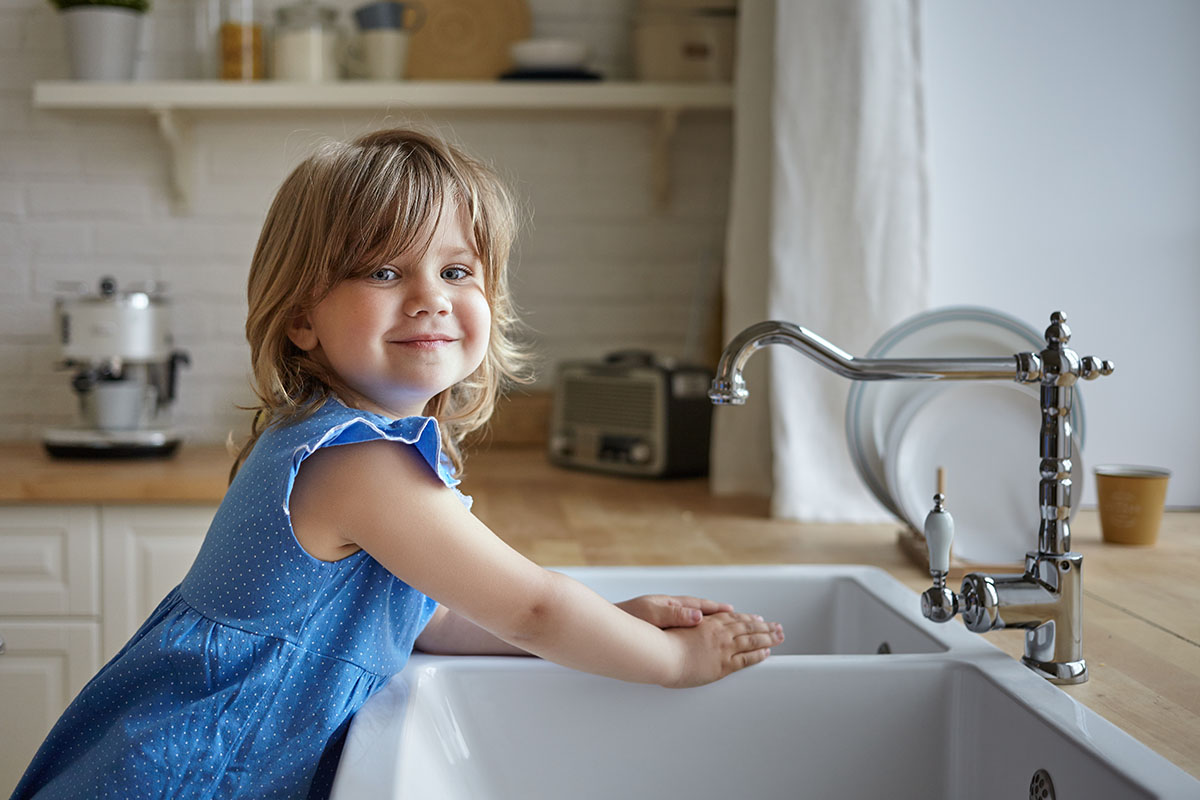
Have you ever noticed a toddler’s desire to tackle tasks independently? This behavior indicates their developing autonomy. As a parent, it’s important to encourage this trait. Establishing routines and nurturing a supportive environment is crucial for children to develop skills like impulse control and working memory. Over time, this contributes to their confidence and independence without constant supervision.
07
7. Healthy habits

Establishing a routine significantly increases the likelihood of children developing positive habits regarding eating, sleeping, and overall well-being. Research links good behavior to healthy choices, highlighting that a structured routine filled with nurturing practices enables long-lasting habits. Activities like tooth brushing and physical exercise can evolve into lifelong routines.
08
8. Happier parents

It’s no secret that parenting involves juggling various obligations. Beyond the numerous advantages for children, it’s essential to acknowledge the well-being of parents as well. Remember, children observe and imitate their surroundings. Having a structured routine helps parents remain composed, less anxious, and more content, positively affecting their children and creating a beneficial cycle.
09
9. Excited anticipation

Establishing consistency allows children to anticipate upcoming events, which can help them resist distractions and temptations. For example, knowing that a weekly pizza night or dessert follows a nutritious meal can motivate children to engage in their daily routines, infusing fun into structure.
10
10. Special rituals

While seemingly simple, routines cultivate important family rituals over time. Regularly scheduled game nights, visits to grandparents, or themed dinner nights become cherished memories that contribute to a loving atmosphere. Such positive traditions are central to fostering an enjoyable family life.
11
11. Tips for establishing a routine for your children
Implementing routines can be straightforward and stress-free.
- Begin by listing the activities you typically engage in throughout the week.
- Identify necessary chores or tasks, which may change depending on your children’s ages; these could range from brushing teeth to helping with household duties.
- Engage your children in the planning process to determine what functions best for your family.
- Outline a plan tailored to your needs, trial it, and make adjustments as necessary.