

01
Enhances Immunity
The elderberry, derived from the Sambucus species, features small, dark, tangy berries renowned for their health benefits, particularly in bolstering the immune response. Curious about how these berries aid your body? Keep reading to explore the seven scientifically supported advantages of incorporating elderberries into your lifestyle.
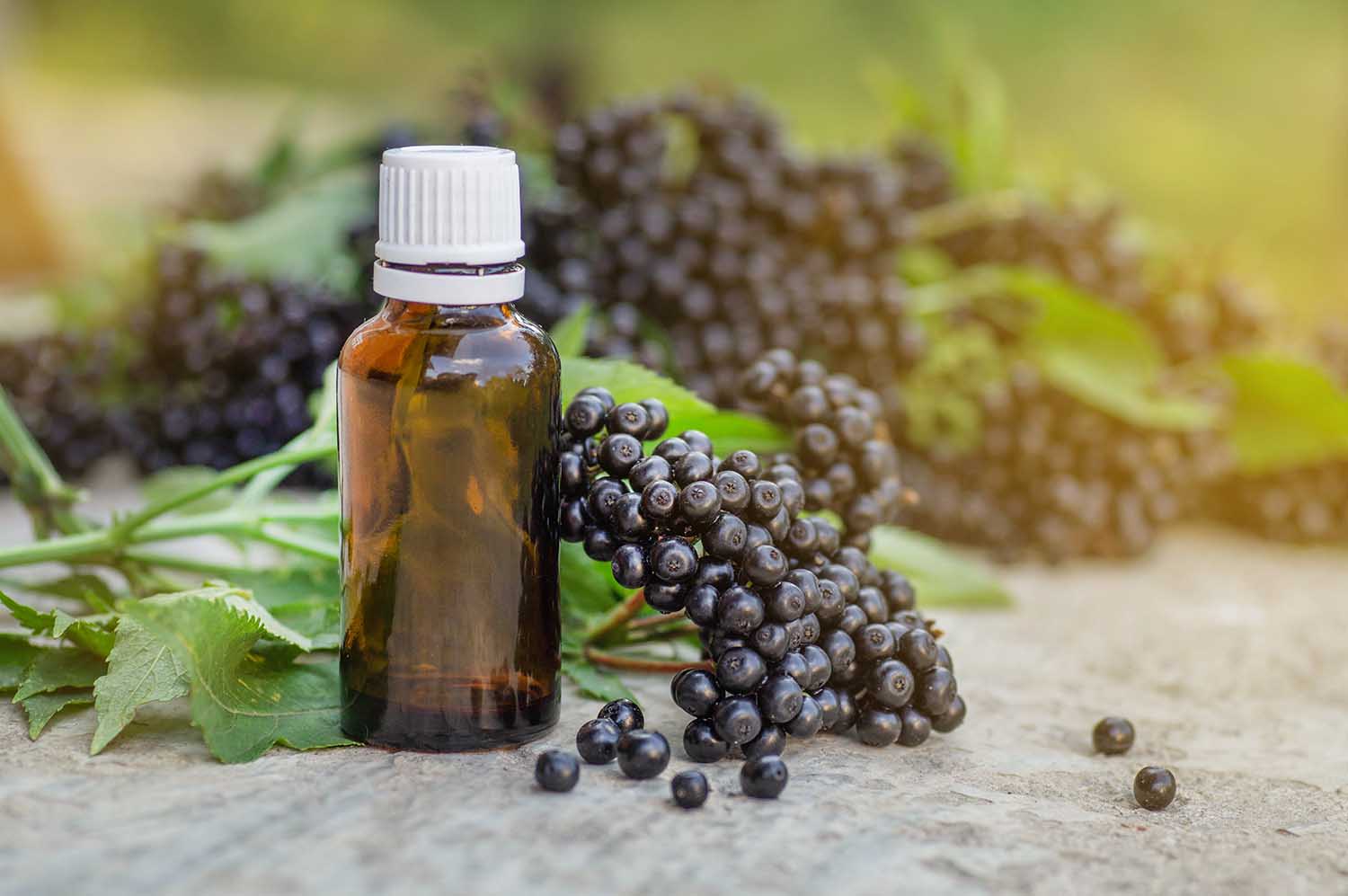
The combination of vitamins found in elderberries along with their antioxidant capabilities can provide vital support to your immune system. Vitamin C found in elderberries plays a crucial role in activating infection-fighting white blood cells, while antioxidants like quercetin and anthocyanins enhance the immune response through their anti-inflammatory and antiviral effects. For more immune-boosting options akin to elderberries, consider incorporating other superfoods into your diet.
02
Alleviates Cold and Flu Symptoms
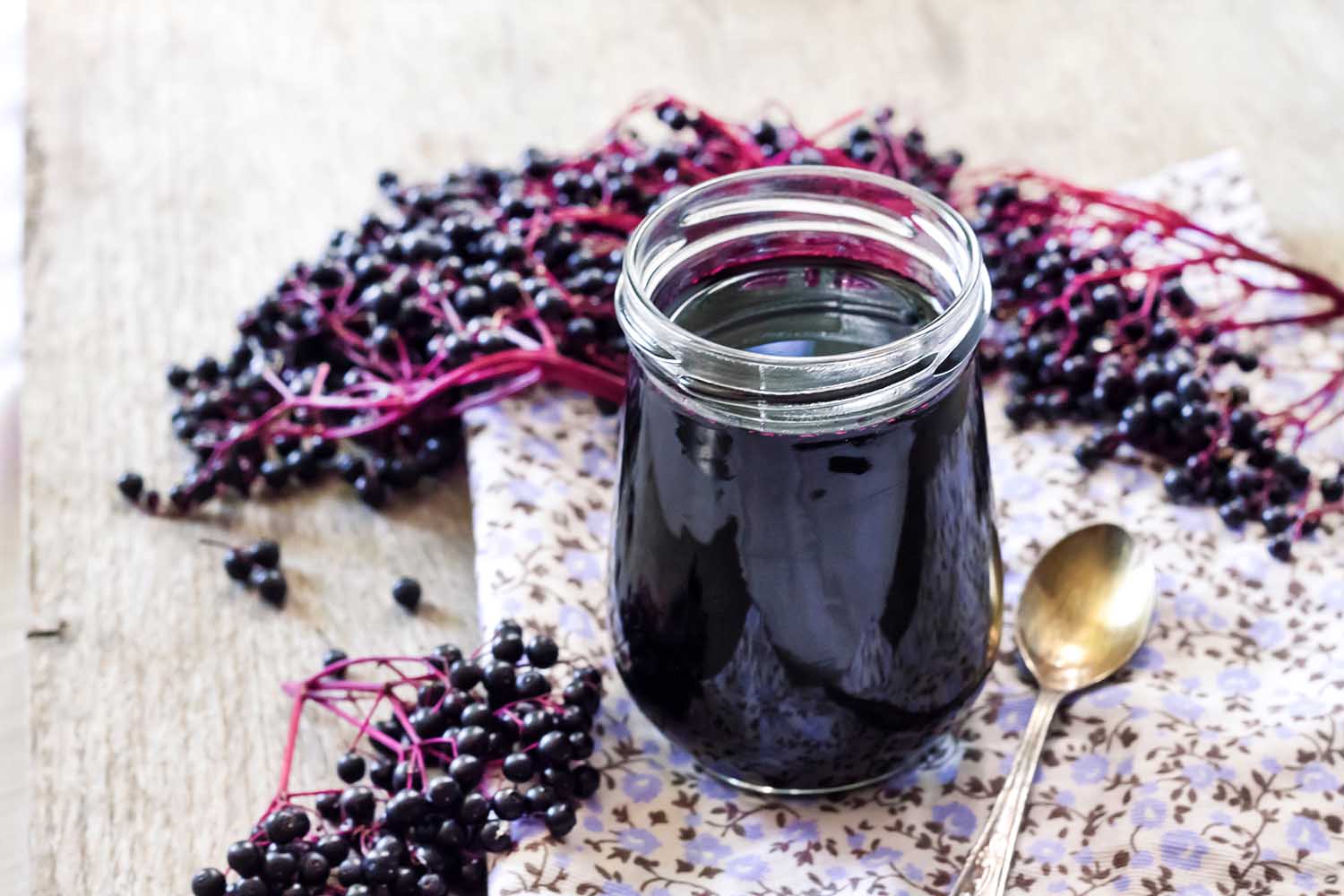
Although there is no definitive cure for the common cold or flu, studies suggest that elderberries can help minimize both the intensity and duration of symptoms. Their antiviral properties are particularly beneficial against the flu virus, showing a mild inhibitory effect in the early stages and a more powerful impact during the recovery phase. Using elderberry lozenges within the first day of symptom onset has been associated with symptom relief.
03
Mitigates Inflammation
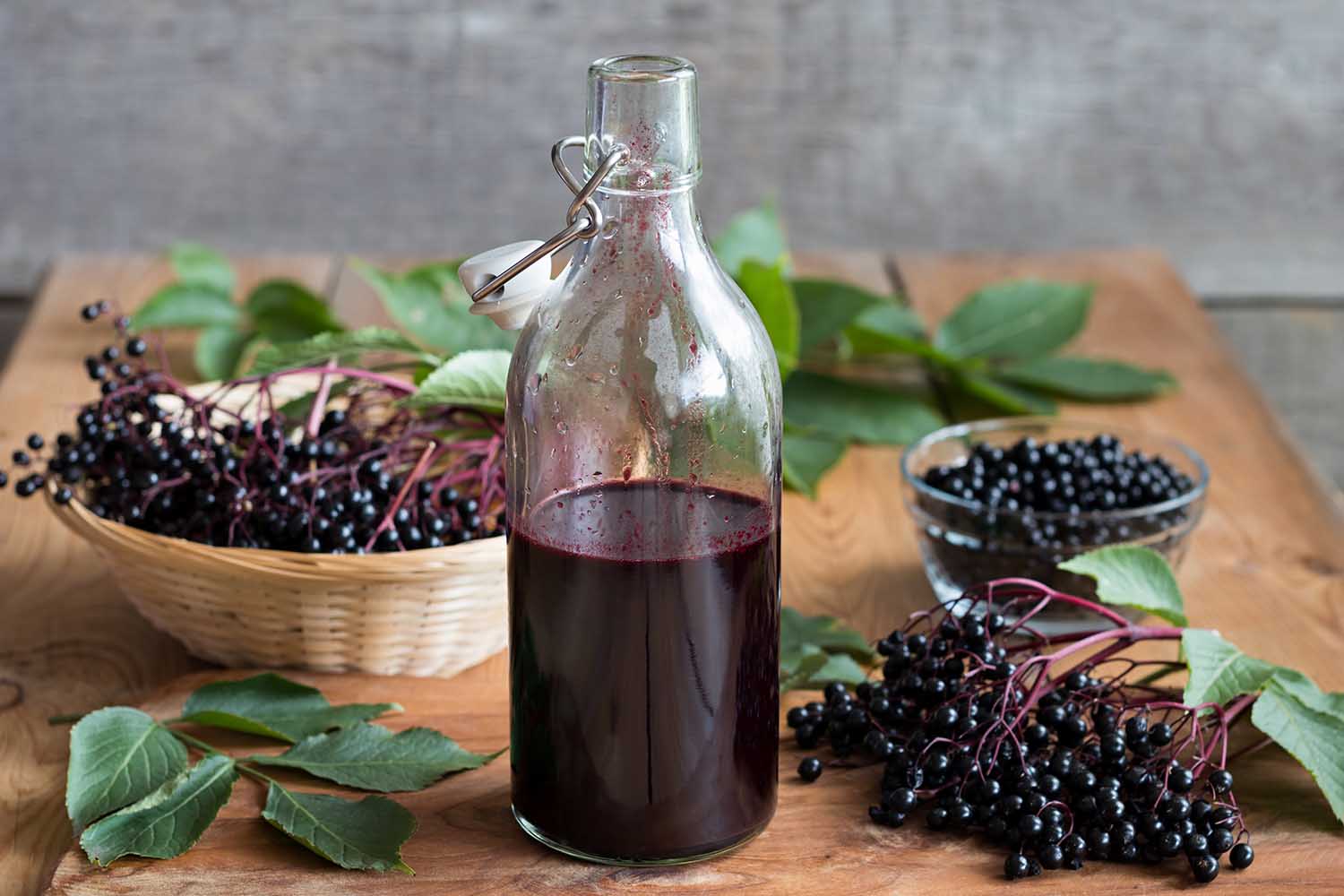
Studies indicate that elderberries possess anti-inflammatory benefits, helping to alleviate swelling, largely thanks to their flavonoid content. Chronic inflammation has been linked to many health conditions, such as cancer, Alzheimer’s, diabetes, and heart disease. Research has demonstrated that anthocyanins in elderberries could be beneficial for individuals experiencing early stages of Alzheimer’s disease.
04
Serves as a Diuretic
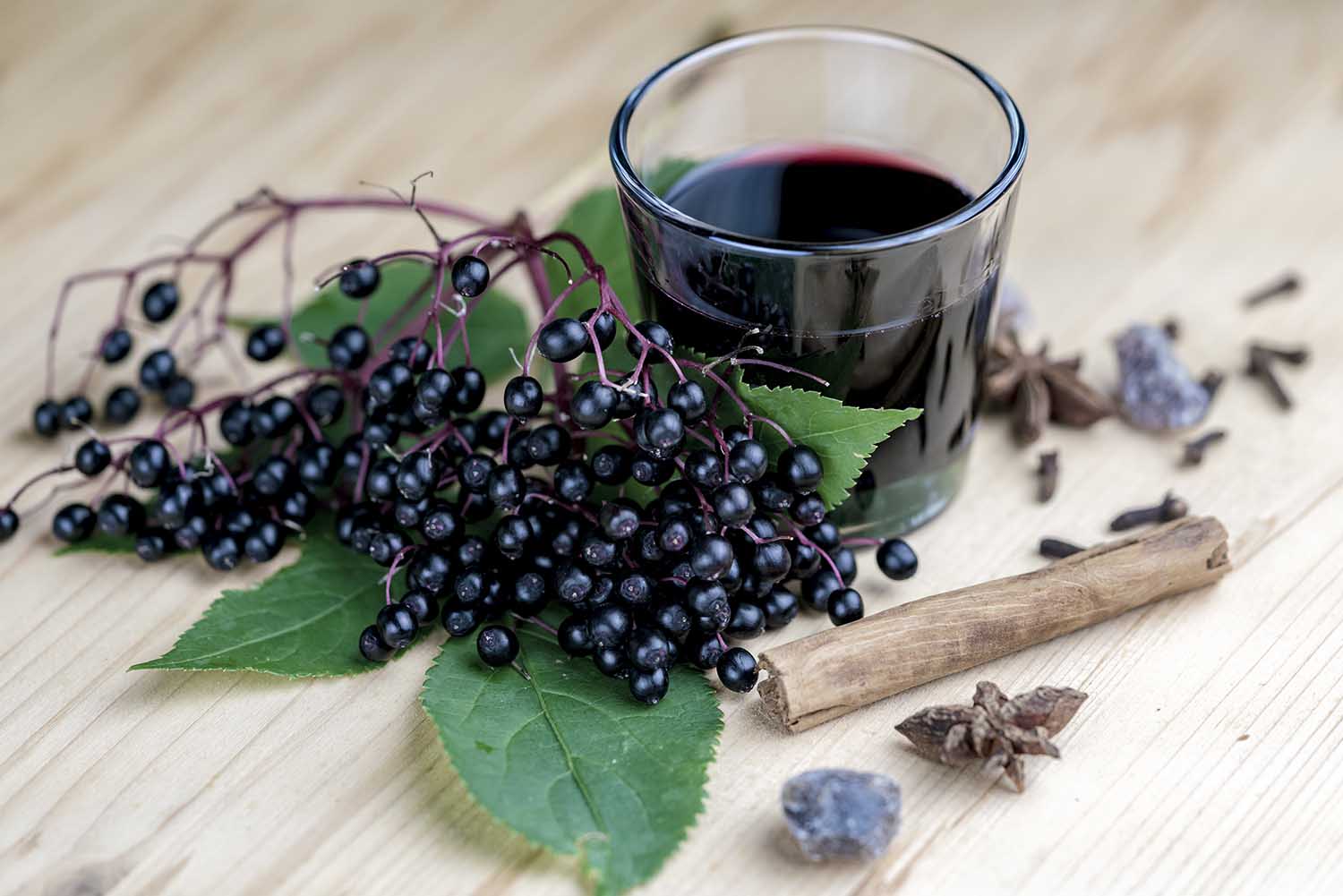
If you’re aiming to reduce bloating, elderberry tea might help. Research shows that elderberry exhibits diuretic properties, aiding your body in eliminating excess salt and fluid through increased urination. Explore these comforting warming teas that incorporate natural diuretics, including elderberries.
05
Eases Constipation
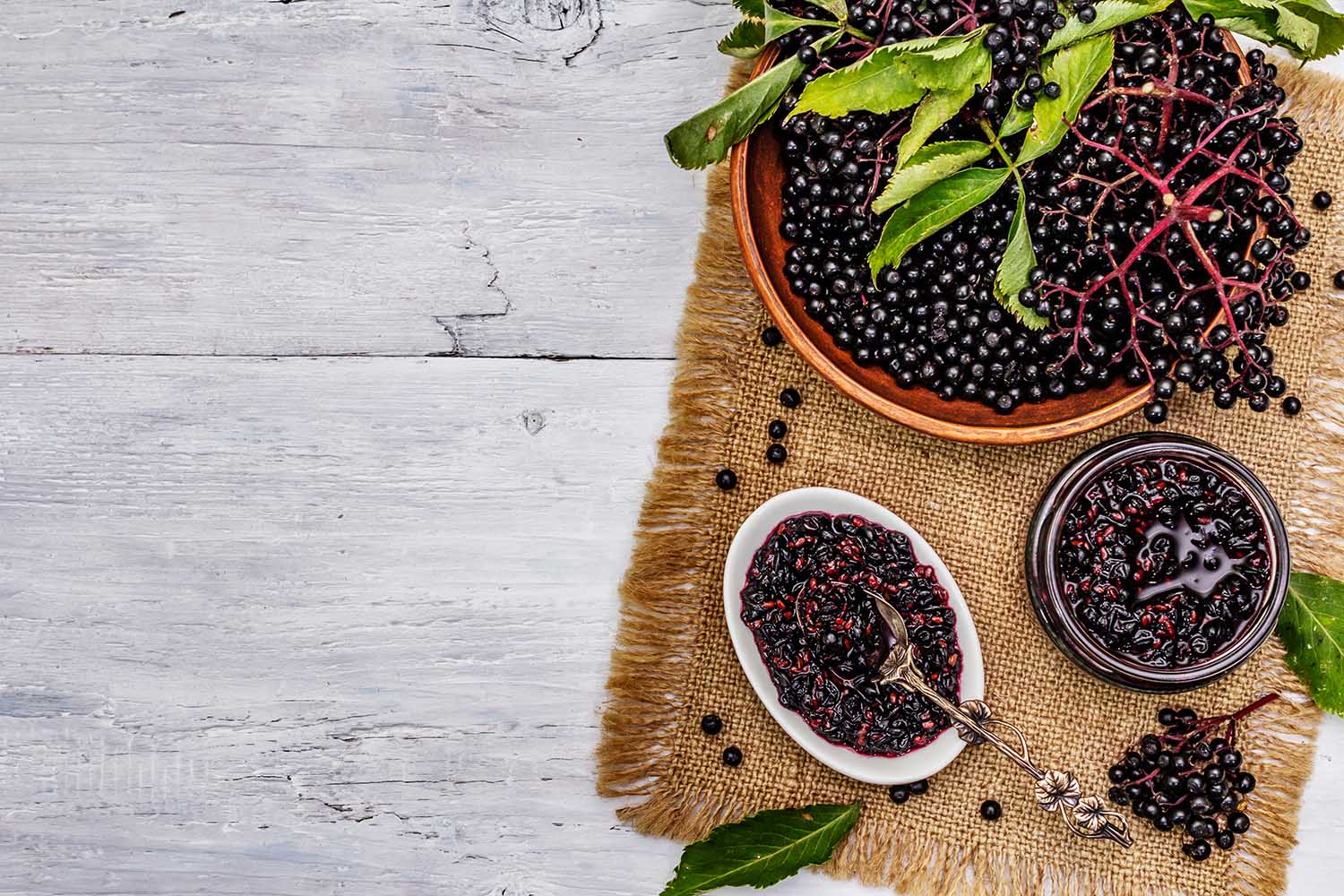
Elderberries have been utilized as a natural remedy for constipation for centuries, and contemporary studies support this tradition. Quercetin, an antioxidant flavonoid found in elderberries, serves as an anthraquinone offering a mild laxative effect. Not only does quercetin contribute to the berries’ vibrant colors, but it also aids in stimulating gastrointestinal activity to relieve chronic constipation.
06
Supports Cardiovascular Health
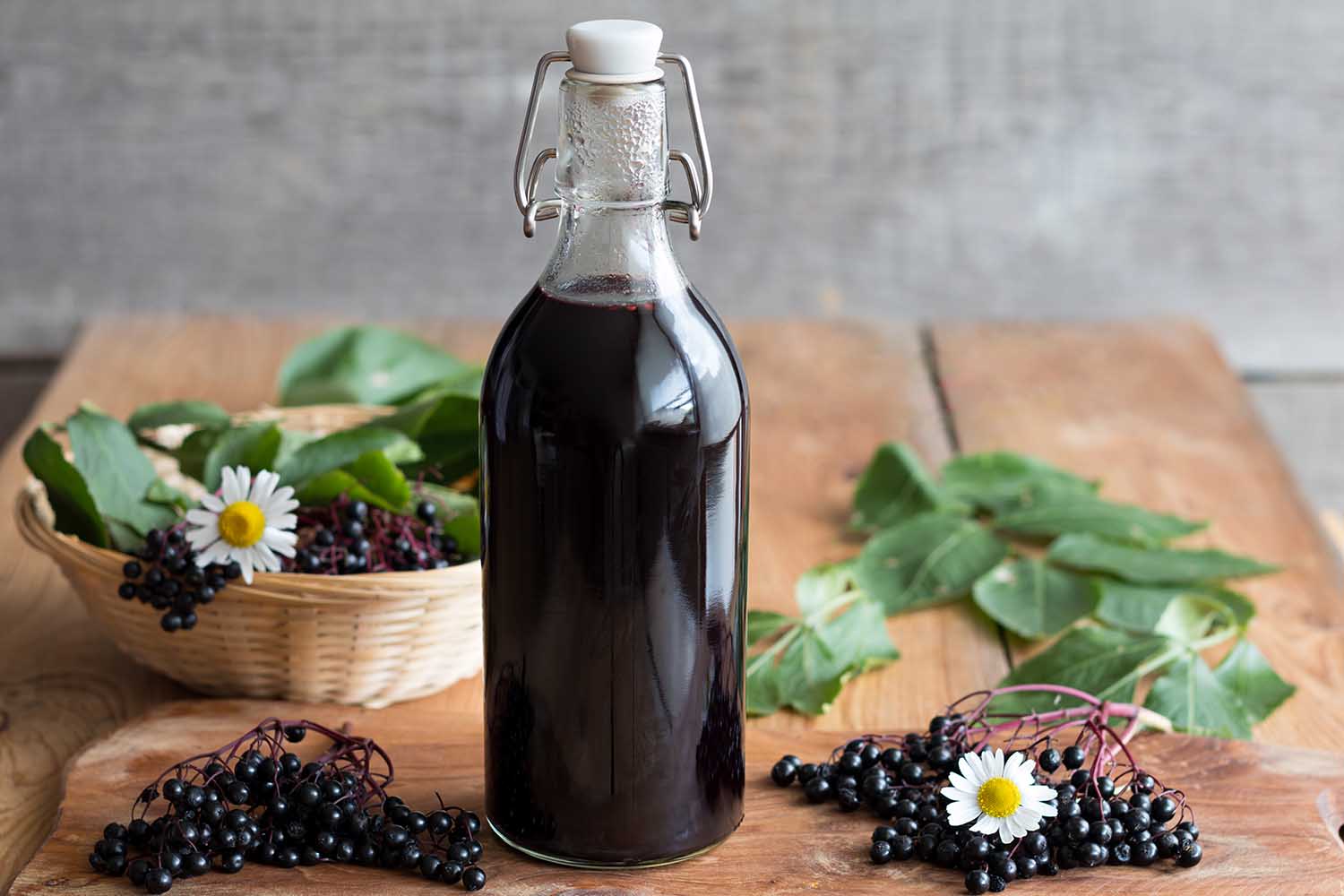
Elderberries may aid in lowering and preventing heart disease. Various studies have identified a link between the antioxidants in these berries and a decreased risk of developing cardiovascular complications, with certain studies indicating an overall positive influence on blood pressure levels.
07
Diminishes Stress Response

If you’re feeling overwhelmed, elderberries might provide the support you need. Research indicates that elderberries can mitigate stress responses. Emotional tension can lead to oxidative stress, an area where elderberries excel due to their quercetin content, known for its ability to combat oxidative stress. If relaxation is what you need, consider sipping a soothing mug of elderberry tea to enjoy its calming effects along with numerous other advantages.
08
Nutritional Powerhouse
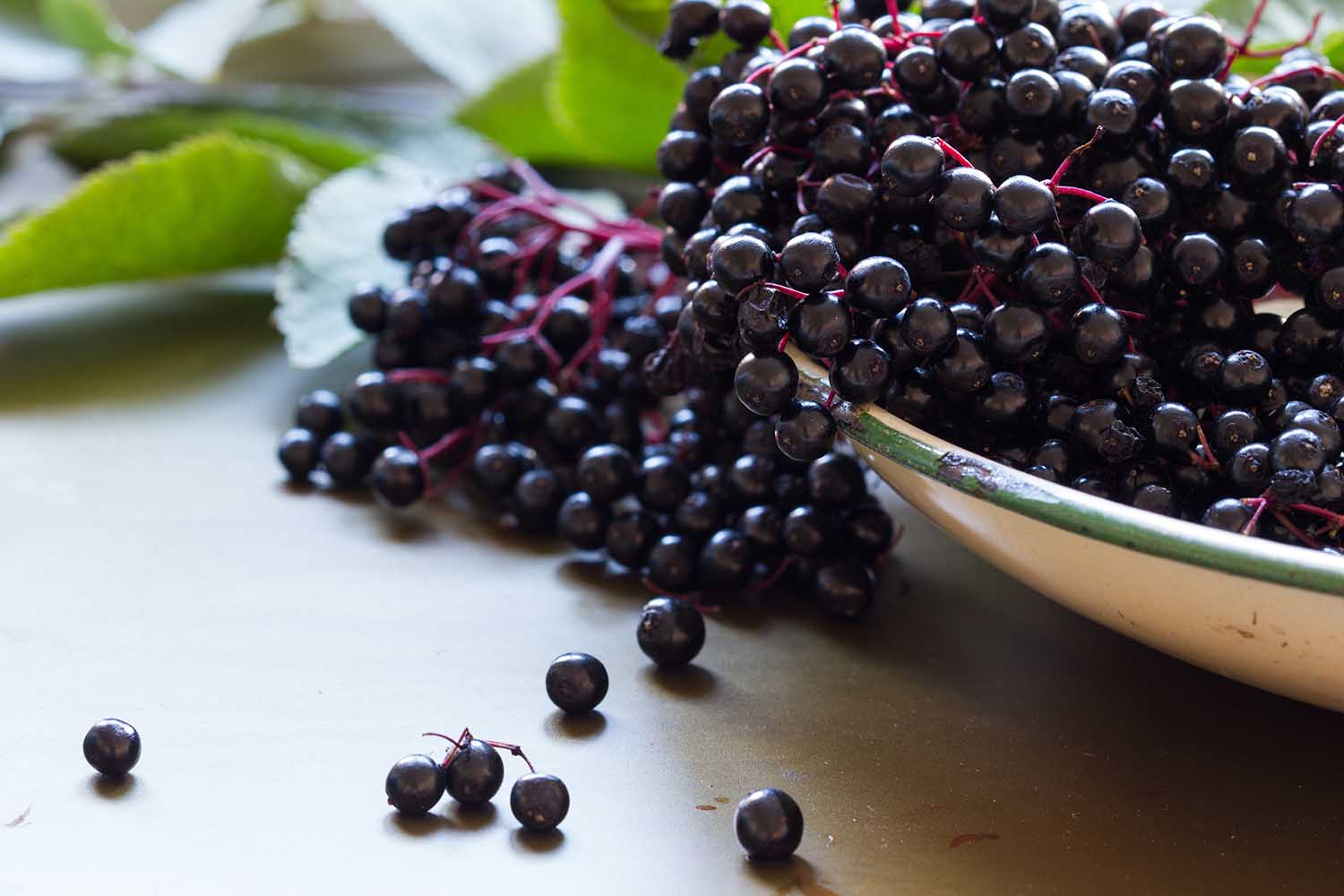
Despite their small size, elderberries are nutrient-rich. They are high in vitamin C and also contain B vitamins, vitamin A, vitamin E, as well as essential minerals like potassium, zinc, iron, calcium, and magnesium. Furthermore, 100 grams of elderberries provide about 2.4 grams of fiber. The polyphenols present in elderberries, comprising flavanols, phenolic acids, proanthocyanidins, and anthocyanins, bestow antioxidant attributes that combat oxidative damage in the body.
09
Versatile Uses: From Beverages to Gummies
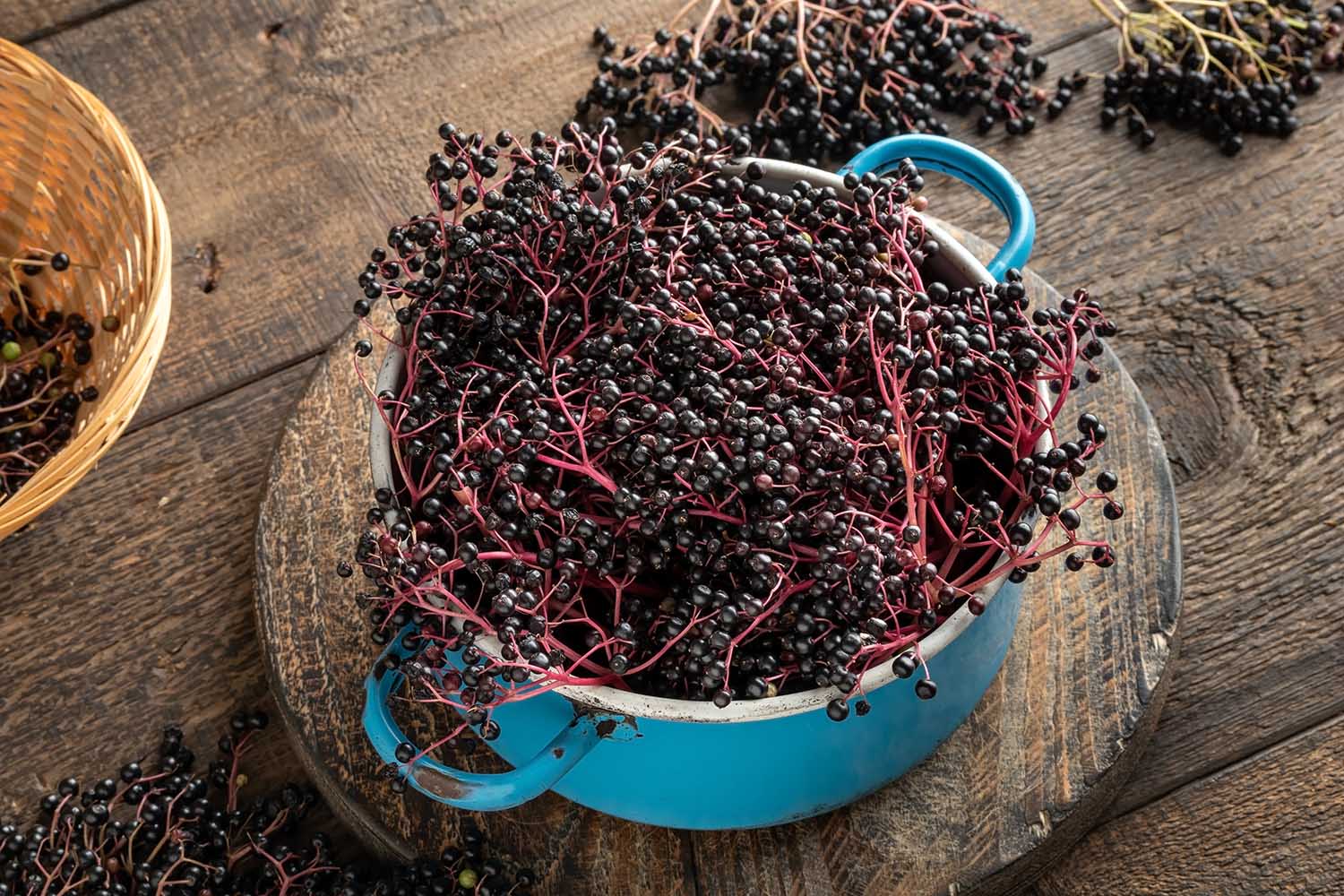
Elderberries have long been featured in various consumables including wines, cordials, baked goods, jams, and jellies. They are also available as teas, gummies, lozenges, syrups, and capsules. This variety of forms makes it easy and enjoyable to incorporate elderberries into your daily diet. However, it’s essential to cook elderberries, as raw ones contain a toxic compound that can result in nausea, vomiting, and diarrhea. Fortunately, commercially prepared elderberry products, such as syrups and lozenges, are safely processed and considered safe for consumption.
10
A Cherished Historical Presence
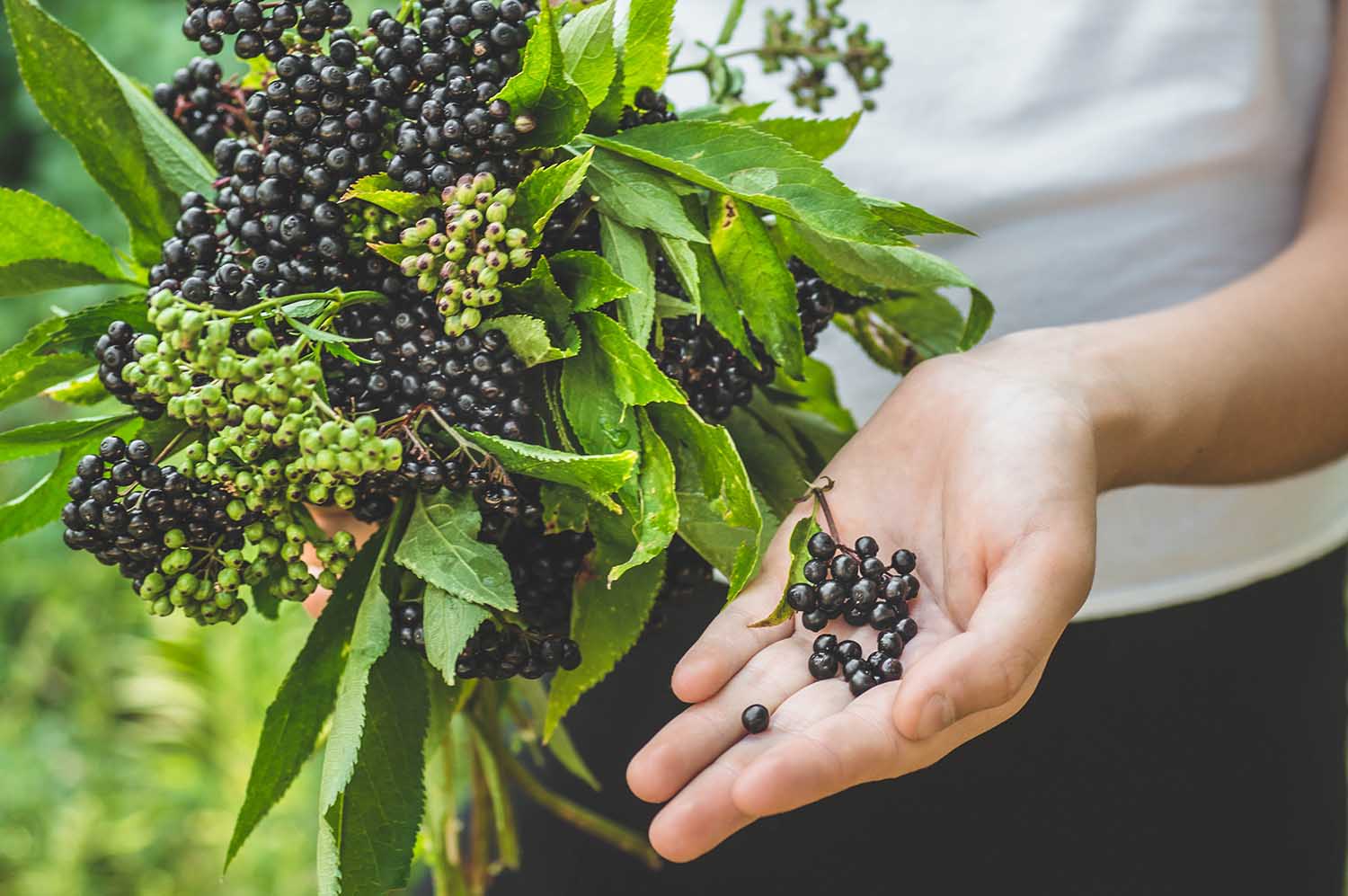
Elderberries boast a rich history, having been used for thousands of years in culinary and medicinal practices. Archaeological evidence suggests that elderberries were utilized during the Stone and Bronze Ages. In ancient Egypt, elderberries were applied for improving skin complexion and treating burns, while in ancient Greece and Rome, their healing properties were recognized, with Hippocrates himself recommending the berries for diverse ailments as early as 400 BC.