
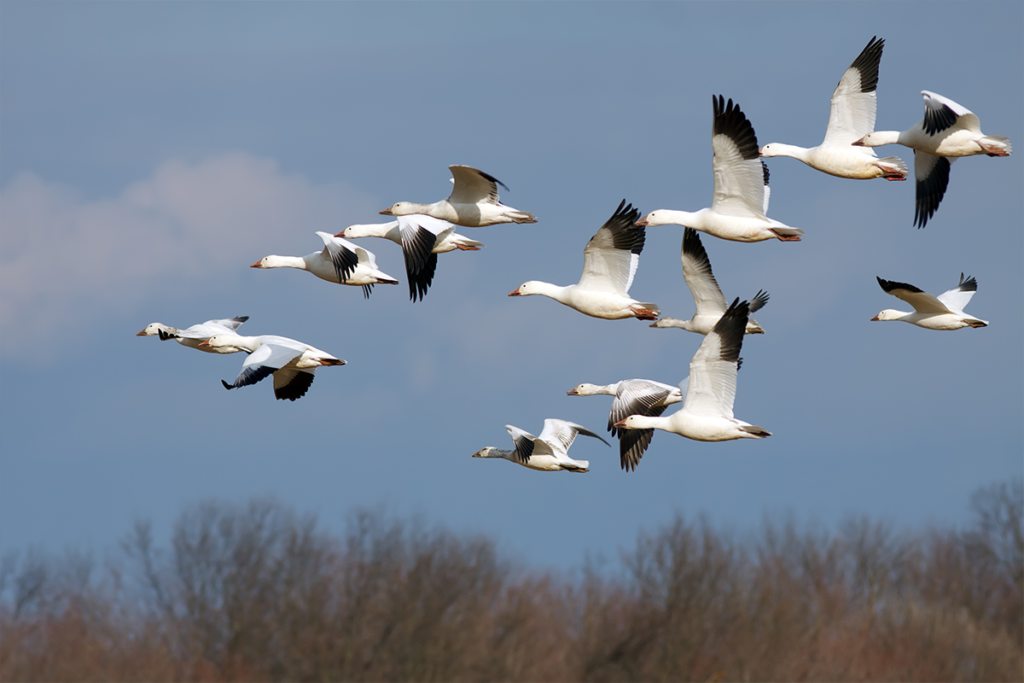
As spring arrives, many bird lovers find joy in replenishing their feeders to attract various species. Even those who aren’t devoted birdwatchers can appreciate the sight of birds visiting their yards. However, the emergence of a particularly virulent strain of avian influenza in 2022 has led many experts to caution against maintaining bird feeders. So, should you really consider storing your bird feeder?
Understanding avian influenza
Avian influenza, commonly known as bird flu, is a serious and contagious disease that primarily affects birds. Outbreaks can impact everything from large poultry farms to small backyard flocks, as well as wild and pet birds. There are several strains of avian influenza, with varying degrees of severity. The H5N1 strain currently circulating in North America is particularly dangerous, boasting a mortality rate between 90 to 100 percent for infected birds.
Transmission of avian influenza
The virus can be transmitted easily by an infected bird through its feces and respiratory secretions. It is remarkably resilient, surviving on surfaces for extended periods and posing a risk of infecting other birds. Waterfowl such as geese and ducks, as well as birds of prey like hawks and eagles, are particularly vulnerable, but any bird species can potentially become infected.
Risks to human health
While avian influenza can pose risks to humans, the chances of contracting the virus are low, and it is challenging to spread between individuals. Human symptoms can vary widely, ranging from none to mild flu-like signs, including fever, cough, and fatigue. In more severe cases, pneumonia can occur, but fatalities are rare, and the overall threat to human health is considered minimal.
The case for bird feeders
Some wildlife specialists, including the BC Society for the Prevention of Cruelty to Animals (SPCA), suggest that bird feeders should primarily be used during winter’s harsher conditions. In spring and summer, natural food sources are abundant, reducing the need for artificial feeding. For those who wish to attract birds, planting native flowers and plants can effectively draw them to your yard without the need for feeders.
How can I assist?
The current guidance is to remove bird feeders and empty birdbaths, particularly for properties housing poultry and other domesticated animals. While songbirds are less likely to contract or spread avian influenza, the BC SPCA advises that feeders and baths attract birds to the same locations, which could increase the risk of virus transmission. Additionally, fallen seeds can bring birds to the ground, where they may come into contact with droppings collected from beneath feeders.
Additional precautions
In addition to taking down feeders and baths, ensure that any outdoor areas where bird droppings are found are cleaned regularly. Avoid direct interaction or feeding of wild birds by hand. Keep an eye out for any signs of illness in local bird populations. If you come across sick or deceased birds, notify local wildlife authorities (in Canada, you can use the Canadian Wildlife Health Cooperative’s online reporting tool or call 1-800-567-2033).
By taking these actions, we can protect our avian companions and maintain their delightful songs in our environments.