

01
Identify and Limit Trigger Foods
Bloating is a prevalent and often uncomfortable condition that affects approximately one in seven individuals each week, especially women. It can manifest as a sensation of fullness, pressure, or trapped gas, typically stemming from dietary choices, lifestyle factors, or digestive problems. Fortunately, there are natural remedies available to help mitigate and prevent bloating.

Prevention is always better than treatment. If you frequently experience bloating, certain foods might be the culprits.
While each individual’s triggers may differ, there are common foods that often lead to bloating:
- Beans
- Dairy products for those with lactose intolerance
- Sugar-free gum and candies that contain artificial sweeteners
- Fruits high in fructose like apples, apricots, bananas, and dried fruits
- Cruciferous vegetables like broccoli, Brussels sprouts, cabbage, and cauliflower
- Carbonated beverages, including soda and beer
- Wheat products for individuals with gluten sensitivities
02
Maintain a Food Diary

If you’re uncertain about what contributes to your bloating, begin documenting your meals in a food diary. Tracking your intake can help reveal patterns; for instance, dairy may not be an issue for you, but you might notice discomfort after eating pasta. This practice can assist in identifying and avoiding problematic foods.
03
Consider a Low-FODMAP Diet

If your bloating is linked to a bowel condition such as irritable bowel syndrome (IBS), you might want to explore the low-FODMAP diet. Research indicates that this dietary approach can lessen bloating symptoms in individuals with IBS. FODMAPs are a type of carbohydrate that isn’t well absorbed in the small intestine, and high-FODMAP foods include certain fruits, vegetables, and dairy items. A healthcare professional can assist you in navigating this dietary change.
04
Practice Mindful Eating

Eating quickly or while distracted can lead to swallowing air and overeating, both of which may exacerbate bloating. To counter this, practice mindful eating by:
- Seating yourself at the table during meals.
- Chewing food thoroughly.
- Avoiding distractions such as screens.
05
Engage in Regular Exercise

Physical activity is not only vital for overall health but also beneficial for digestion. According to research, taking a 10- to 15-minute walk after meals can alleviate bloating symptoms. Aim for at least 150 minutes of moderate exercise weekly to enhance your overall well-being.
06
Maintain Proper Hydration

Dehydration can lead to water retention and consequently, bloating. Insufficient fluid intake may also result in constipation, a primary cause of bloating. According to the National Academy of Medicine, men should aim for about 13 cups and women for about 9 cups of water daily.
07
Incorporate Peppermint

Peppermint has a long-standing reputation for aiding digestive issues. Peppermint oil capsules can notably relax intestinal muscles, easing bloating, particularly for those with IBS. While scientific research on peppermint tea is limited, animal studies suggest it may help promote digestive relaxation.
08
Add Ginger to Your Diet
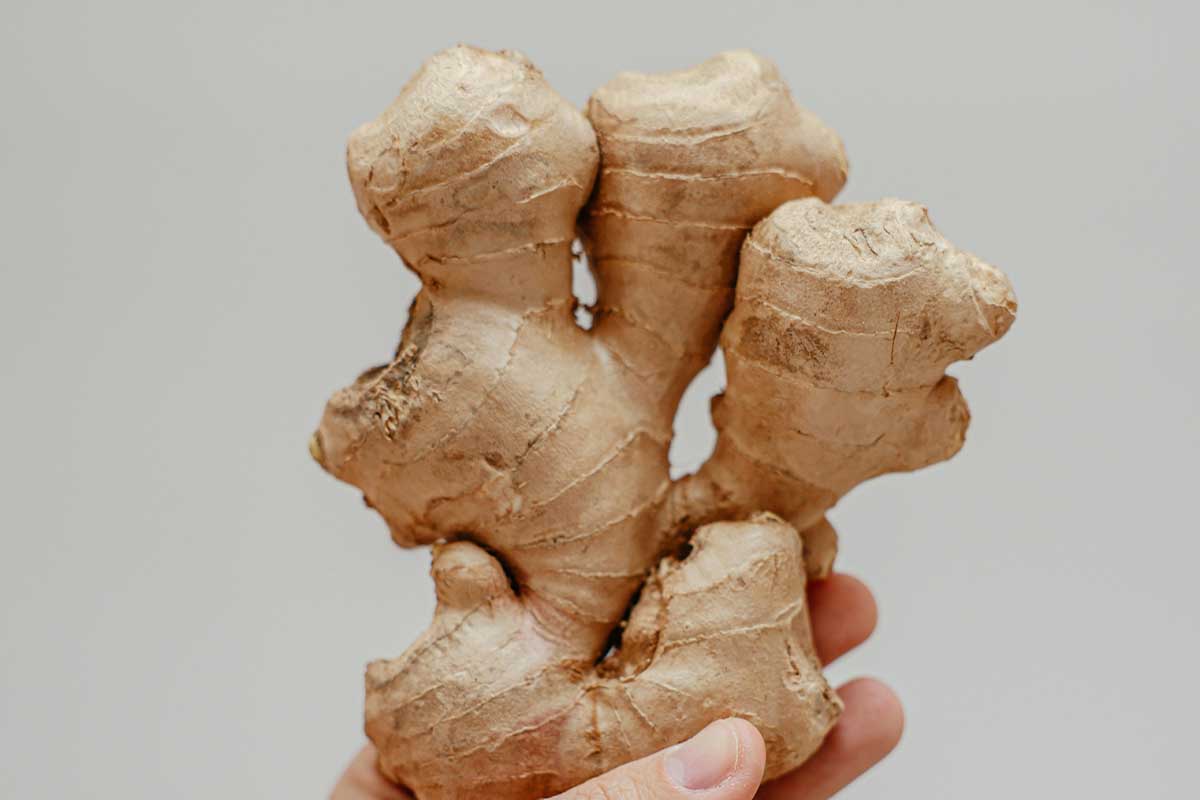
Ginger is a flavorful addition that can aid in reducing bloating. It helps promote faster gastric emptying, making bloating less likely. You can easily integrate ginger into your meals by:
- Preparing fresh ginger tea.
- Incorporating it in savory recipes.
- Using it in baking.
- Pickling it.
- Blending it into smoothies, like this refreshing Matcha Coconut Ginger Smoothie!
09
Use Fennel Seeds

Fennel seeds are among the oldest medicinal herbs, historically used globally to aid digestion. They are often served post-meal in South Asian restaurants to freshen breath and promote digestive health. Consider adding fennel seeds to your dishes or brewing fennel seed tea.
10
Consider Abdominal Massage

Abdominal massage can assist in alleviating bloating and constipation. This technique helps move food through the gastrointestinal system, expediting the release of gas and bloating. You can perform a self-abdominal massage using a simple three-step technique recommended by Michigan Medicine at the University of Michigan.
11
Incorporate Probiotics
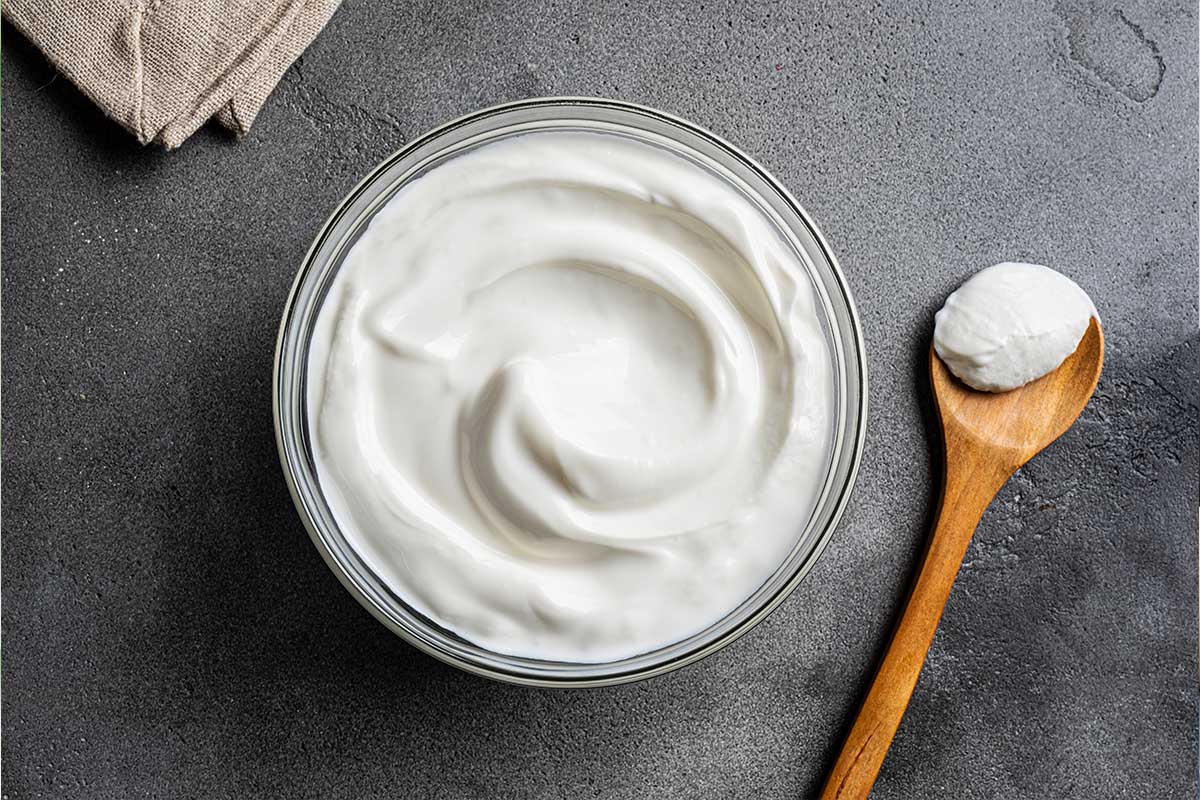
Probiotics, beneficial bacteria supporting gut health, can alleviate bloating. These can be found in both food and supplement forms:
- Yogurt
- Kefir (a type of fermented milk)
- Fermented foods, such as sauerkraut, kimchi, or miso
- Probiotic supplements