A Personal Voyage into Preserving Ancient Apples in the Lost Orchard
The diversity of food is crucial not just for enjoyment but also for ensuring a healthy, robust, and sustainable food system. Unfortunately, modern commercial practices prioritize attributes such as appearance and transport ease over taste, nutritional richness, and adaptability to climate variations. This shift has led to the loss of countless food varieties, with many more now teetering on the brink of extinction.
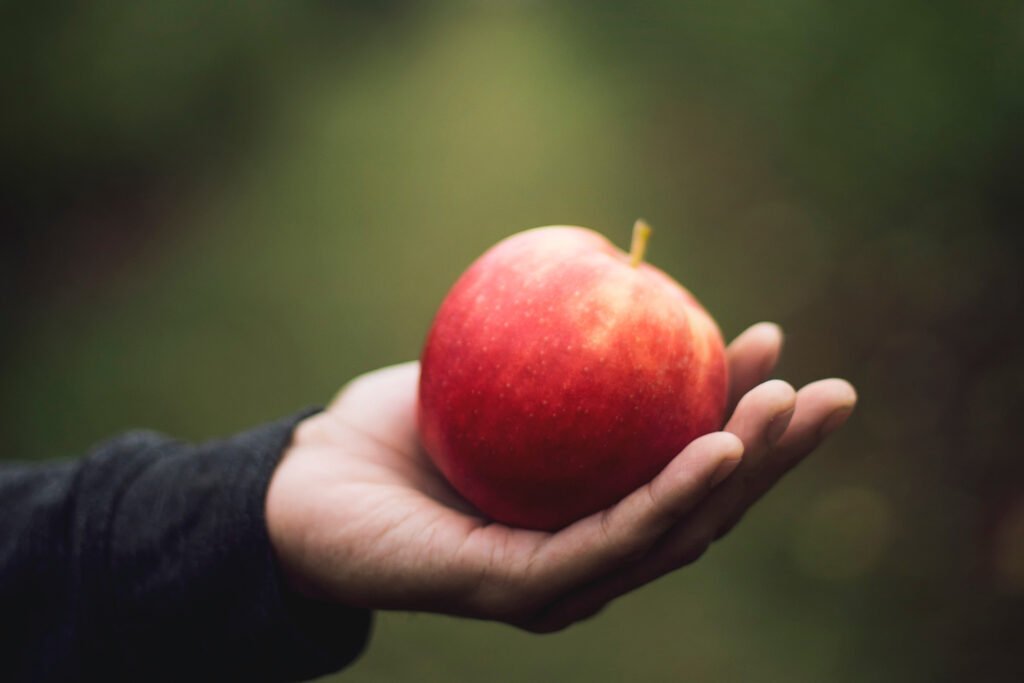
Just as the loss of animal species evokes concern, the extinction of food varieties should equally alarm us. Apples exemplify this phenomenon; while we commonly associate the fruit with a limited range of varieties available at stores, over 6,100 unique apple types have vanished throughout history.
According to the Canadian charity Seeds of Diversity, an extensive catalog from 1804 to 1904 recorded 7,098 apple varieties. Since then, 86 percent have been lost, with apples considered among the most vulnerable foods. This narrative of dwindling varieties is echoed across various crops, both in Canada and globally.
Over the past century, 75 percent of the world’s food diversity has perished. The rise of industrial agriculture and global food supply systems has placed crop selection in the hands of a few large corporations, severely limiting the variety of produce available and pushing local agricultural biodiversity to the sidelines—varieties that were once common in Canadian households have all but disappeared.
Back in the early 1900s, farmers in Canada and elsewhere were dedicated to saving seeds from an array of local products. This practice was instrumental in maintaining a diverse and regionally adaptive food supply through generations.
Yet, as the contemporary food industry gained more influence, this tradition suffered. A 1999 report from the United Nations Food and Agriculture Organization (FAO) noted that a mere 150 to 200 out of 300,000 recognized edible plant species are consumed by people. Alarmingly, 75 percent of the world’s food supply derives from just 12 plant species, including staples like wheat, corn, and rice.
But how many types of apples should be on your table? Enhanced agricultural biodiversity provides a hedge against diseases, pests, droughts, climate fluctuations, and various other threats, offering greater food supply stability.
When faced with threats to our food sources, would you feel more secure with resilient plant varieties that have thrived historically, or would you prefer to gamble on standardized varieties that often face heavy pesticide usage, genetic modification, and long transport distances to your local grocery store? The choice seems evident.
For me, two decades of working on food security took a remarkable turn that transformed what was already rewarding into a deeply passionate journey.
The Revelation of the Lost Orchard
How You Can Assist in Preventing Food Extinction
You can take active steps to improve food diversity and combat the risk of extinction through the following actions:
> Broaden your culinary selections by opting for heritage and rare food varieties instead of standardized ones that prioritize uniformity in appearance and limited options.
> Refrain from using pesticides on your lawns or gardens.
> Avoid purchasing foods treated with pesticides.
> Opt for organic or untreated foods whenever possible.
> Seek out and cultivate heirloom and heritage seeds and produce varieties.
> Shop at farmers’ markets to support local agribusiness.
> Learn seed-saving techniques for the heritage crops you cultivate.
> Get involved in seed-saving groups or exchanges.
> Encourage local eateries to source and utilize heirloom food varieties.
Foods Facing Extinction
Below are foods currently at risk of extinction, along with their threats and expected timelines for extinction:
| Food | Threat | Expected Year of Extinction |
| avocados | drought | In jeopardy |
| chocolate | climate change | 2030 to 2050 |
| coffee beans | overconsumption of arabica beans | 2050 |
| honey | colony collapse disorder | in jeopardy |
| maple syrup | climate change | 2100 |
| peanuts | drought and rising temperatures | 2055 |
| wine grapes | climate change | 2050 to 2100 |