Embracing local sourcing, opting for organic produce, and cultivating our own gardens are just a few of the strategies we can adopt to foster a healthier, more sustainable food landscape. Yet, often overlooked are the tiny powerhouses that enable food to flourish: seeds. Although they are small, seeds significantly influence our agricultural practices, who participates in farming, and how we nourish ourselves in the face of a changing climate.
The Power of Seeds
Seeds, remarkable containers of potential, hold the comprehensive genetic information and essential nutrients required to cultivate everything from majestic nut-bearing trees to delicate pea vines. For thousands of years, these vital carriers of life have been carefully preserved and traded by humans. Each variety symbolizes a unique plant evolved to thrive in its specific environment, continuously adapting to shifting conditions.
Threats to Seed Diversity
While promoting diversity and open exchange of seeds is crucial, Philip Howard, a professor at Michigan State University and an expert on sustainable food systems, warns that “the global seed industry is increasingly consolidated, with just four major companies controlling over 60 percent of proprietary seed sales.”
This consolidation promotes a model of industrial agriculture focused on monoculture, synthetic treatments, and diminishes the autonomy of farmers—just as we begin to recognize the necessity of diversity, soil health, and local practices in establishing a reliable food ecosystem.
According to Howard, this concentration of seed ownership is not only undemocratic but also results in “decreased diversity, limited innovation, higher seed costs, and fewer opportunities for seed saving.”
Taking Back Seed Stewardship
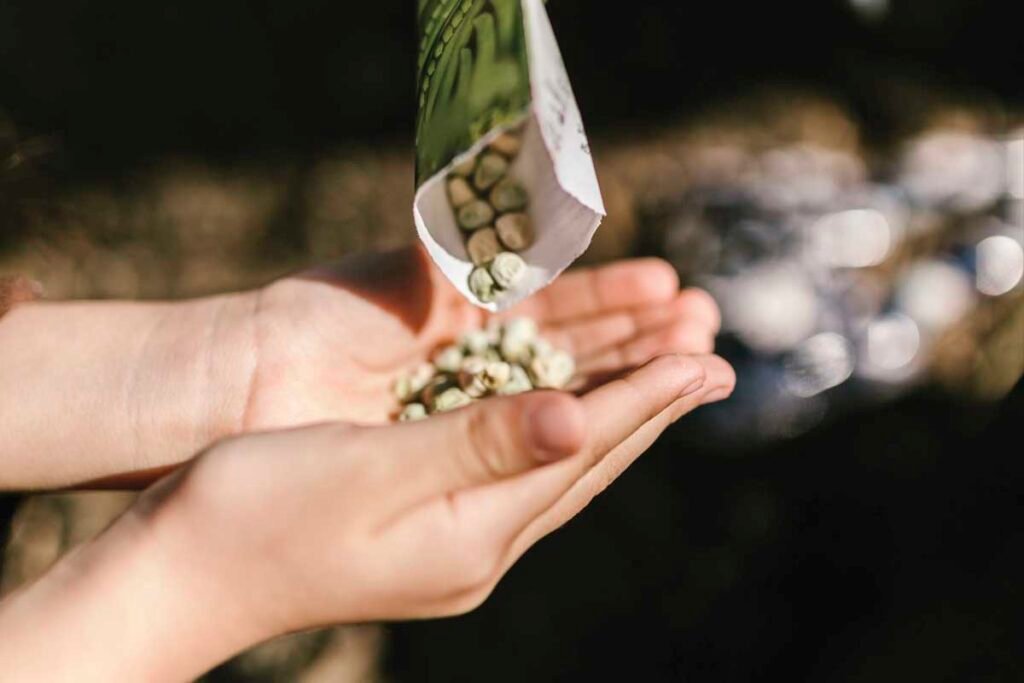
However, we are not without power to effect change. Seeds are everywhere—scattered from tomatoes on our kitchen counters, nestled in bulk bins at grocery stores, and falling from wild onions. By applying intention, sharing knowledge, and fostering community, we can reclaim our stewardship of seeds.
Engaging in seed sovereignty, whether individually or by supporting others, profoundly influences our future food systems. A transparent and accessible seed framework offers undeniable advantages.
Enhancing Diversity
Commercial seeds represent only a small selection of the possible varieties and traits available for our food crops. By sourcing from local businesses or saving our own seeds, we can significantly contribute to the diversity of our agricultural gene pool.
Adapting to Change
Saving seeds from plants that thrive in your climate fosters species that can naturally adapt without relying on chemicals. On a wider scale, allowing farmers to select seeds from plants that have proven resilient under changing climate conditions promotes sustainability as we face new challenges.
Empowering Farmers
Seed sovereignty is often defined as “the right of farmers to breed and exchange diverse open-source seeds that can be saved, which are free from patents, genetic modification, and control by dominant seed corporations.”
Even if you are not a farmer, you can still advocate for seed sovereignty on behalf of the entire community, while empowering yourself to cultivate food that is not subject to patents or corporate monopolies by rediscovering the practice of seed saving.
Improving Food Quality
By prioritizing flavor, nutritional benefits, and aesthetics over uniformity and transportability, we can cultivate a selection of plants that provide superior quality.
Cultivating Connections
Many heirloom varieties come with rich stories, sometimes connecting us to our ancestors, creating a poignant sense of belonging. Furthermore, locally saved seeds tie us together with community members through the sharing and trading of surplus resources.