
More than fifty years after the debut of The Graduate, it’s difficult to watch the iconic moment where Mr. McGuire tells Benjamin about a “great future” in plastics without feeling uneasy. We have arrived at the future depicted in the film, where an overwhelming amount of petroleum-based plastic pollutes our seas, releases harmful chemicals into the earth, and jeopardizes the health of numerous species—including our own.
This scenario brings to light a host of relatively new substitutes for traditional plastic: bioplastics.
What exactly are bioplastics?
The term “plastic” encompasses any synthetic substance that can be molded, made from organic polymers (chains of chemically similar units). “Bioplastics” is an overarching term describing a broad and sometimes perplexing range of plastics that may be biodegradable, bio-based (sourced from organic materials), or both. Advocates promote these materials as being more environmentally friendly than conventional petroleum-derived plastics, while critics point out that many bioplastics come with their own set of environmental issues.
Three bottles, three stories
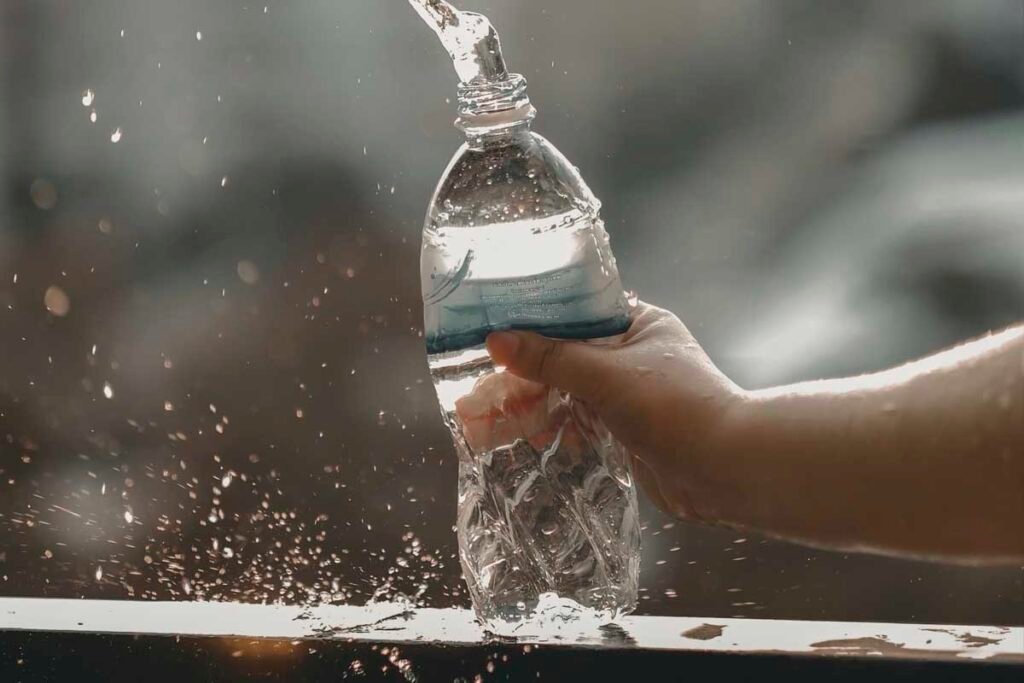
Imagine you are purchasing a bottled beverage, but for this scenario, your trusty travel mug isn’t an option, nor are glass containers. Instead, your favorite drink is available in three different bioplastic bottles of equal size. Here’s what you need to know about each option.
Bottle A is crafted from corn and is compostable at industrial facilities (though not suitable for backyard composting). The bottle itself has a carbon-neutral footprint, but farming practices for the corn do not share this quality. Additionally, the land used for corn cultivation could potentially have been utilized for food production. If you dispose of Bottle A in a regular plastic recycling bin, it risks being rejected and sent to a landfill.
Bottle B is marked as “plant-based.” It comprises a mix of petroleum and plant-derived polymers, making it chemically identical to standard plastic bottles. Because of its composition and manufacturing method, this bottle is not carbon neutral. You can recycle it in a conventional plastics bin, but if it finds its way to a landfill or the environment, it will take the same length of time to break down as regular plastic.
Bottle C contains bioplastic produced by microorganisms that digest food waste. This bottle can be composted in any setting or safely discarded. If it enters the natural environment, bacteria will decompose it into water and carbon dioxide. However, if you toss it into a regular recycling bin, it will likely be categorized as “other material” and rejected. Bottle C is also more expensive due to its production expenses.
So… which bottle do you select, if any? Many of us might struggle to find an ideal answer.
A tumultuous landscape
If this brief overview of various bioplastics seems unclear, many experts would agree. Karen Wirsig, a plastics program manager at Environmental Defence, asserts that the overwhelming noise surrounding bioplastics diverts our focus from the significant ecological challenges associated with all types of plastics.
She believes this lack of critical understanding is compounded by the “greenwashing” of several bioplastic products and the short-term profit motives of the majority of bioplastic manufacturers.
Considering the broader implications
When asked about the possible advantages of bioplastics, Wirsig identifies numerous conditions that must first be fulfilled for bioplastics to contribute positively and sustainably to our environment. She urges us to “take a step back” and evaluate all plastic-free options before determining whether plastic—be it bio-based or conventional—is truly the best choice.
Furthermore, when such choices are made, there should be proper infrastructure and regulations to ensure that plastics are managed responsibly and sustainably at the end of their lifecycle.
Professor Gadi Rothenberg, an expert in bioplastics and Chair of Heterogeneous Catalysis & Sustainable Chemistry at the University of Amsterdam’s Van’t Hoff Institute for Molecular Sciences, holds a more optimistic view on bioplastics.
He contends that despite the unavoidable limitations of these emerging technologies, bioplastics “can play a significant role … especially in the shift from our current ‘produce-use-waste’ model to a circular economy.” Rothenberg also emphasizes that “bio-based materials possess strong educational value, as they highlight the necessity of changing our lifestyles.”
Navigating current challenges
In this context, Paul Antoniadis, the CEO of Good Natured Products (a company that produces both commercially compostable and conventionally recyclable bioplastics), emphasizes his belief in the importance of reuse and recycling. However, he also notes that the demand for single-use packaging—especially in a pandemic-affected world with heightened food safety concerns—will likely persist for the foreseeable future.
Antoniadis asserts that his company is focused on minimizing environmental harm by “reducing reliance on fossil fuels, eliminating harmful chemicals, and offering multiple end-of-life solutions.”
Environmental scientist Abdul Khogali, COO of Genecis Bioindustries, echoes this sentiment, acknowledging that “changing consumer behavior is challenging, and the market for [disposable] materials is unlikely to vanish soon.” To confront this issue, Khogali and his team aim to create plastics that will completely and quickly decompose in “any environment.”
The future of plastics?
Genecis needs PHAs (see “The ABCs and Ps of plastics”), a type of energy storage produced by bacteria. While Khogali recognizes the current high cost associated with harnessing this natural process, he remains hopeful that strategies to reduce costs—like utilizing organic waste to feed the bacteria generating PHAs—will lead to competitively priced products. His goal is to produce a plastic that allows us to avoid having to “choose between functionality, sustainability, and affordability.”
Meanwhile, we continue to face tough decisions regarding plastic in our daily lives. Our choices should ideally be as informed as possible. Reflecting on the previously mentioned bottle scenario, bringing your own travel mug appears to be the most responsible choice.