
It’s intriguing to see how often we overlook practices that could significantly enhance our lives. Sometimes, they appear too straightforward or evident to be valuable.
This includes intentional breathing (which invites mindfulness and presence), laughter (the joyous moments that brighten our days), and gratitude (the appreciation for what life brings our way). This discussion will center on gratitude, exploring its essence and its significance.
Understanding Gratitude
Truly meaningful gratitude involves more than just expressing thanks or keeping a gratitude journal. It’s not simply a routine acknowledgment of positive aspects.
While these activities contribute to gratitude, a deeper understanding of its subtleties, significance, and effects is essential if we aim to cultivate this practice.
Gratitude, from this perspective, is intertwined with a positive mindset where we consciously engage with our experiences. This might mean appreciating how our bodies work, celebrating the beauty of nature, marveling at the warmth of the sun, recognizing the wonder of life and the certainty of death.
This form of gratitude doesn’t involve naive optimism; rather, it’s a realistic approach that acknowledges challenges while favoring opportunities over limitations.
Why is Gratitude Important?
For some individuals, gratitude is a deeply ingrained practice, valued in their upbringing. For others, it may seem foreign or akin to a trendy self-help idea. Clinical psychologist Diana Brecher, EdD, from Toronto Metropolitan University, focuses on positive psychology and emphasizes gratitude as a vital element in building resilience.
Is There Scientific Support for Gratitude Practices?
Brecher notes that gratitude can foster resilience and enhance overall well-being. She references research from 2005 that highlighted the lasting effects of happiness-increasing interventions.
The study involved five activities aimed at boosting happiness, two of which specifically promoted gratitude, with assessments conducted immediately after, and again one week, one month, and six months later. The gratitude activity yielded the most significant impact after six months.
Insights from this and related research underscore the importance of gratitude from scientific, emotional, and personal perspectives:
- It forms the basis of numerous studies across various disciplines.
- It plays a critical role in emotional wellness.
- It encompasses practices that individuals can customize; not all will resonate equally.
Brecher urges a serious approach to gratitude, stating, “Oversimplification of gratitude practices undermines their significance.”
Three Practices for Cultivating Gratitude
Here are some practical and effective gratitude exercises, part of Brecher’s resilience training approach:
Compose a Gratitude Letter
- Identify someone who has positively impacted your life. You may not have conveyed this to them before.
- Reflect on the deeper implications of this influence and what it reveals about their character and choices.
- Document your thoughts and share them directly with the person, if possible. If not, express your feelings to someone else who understands.
Cultivate Moments of Awe
Brecher describes awe as closely related to gratitude; experiences that inspire awe often lead to feelings of gratitude:
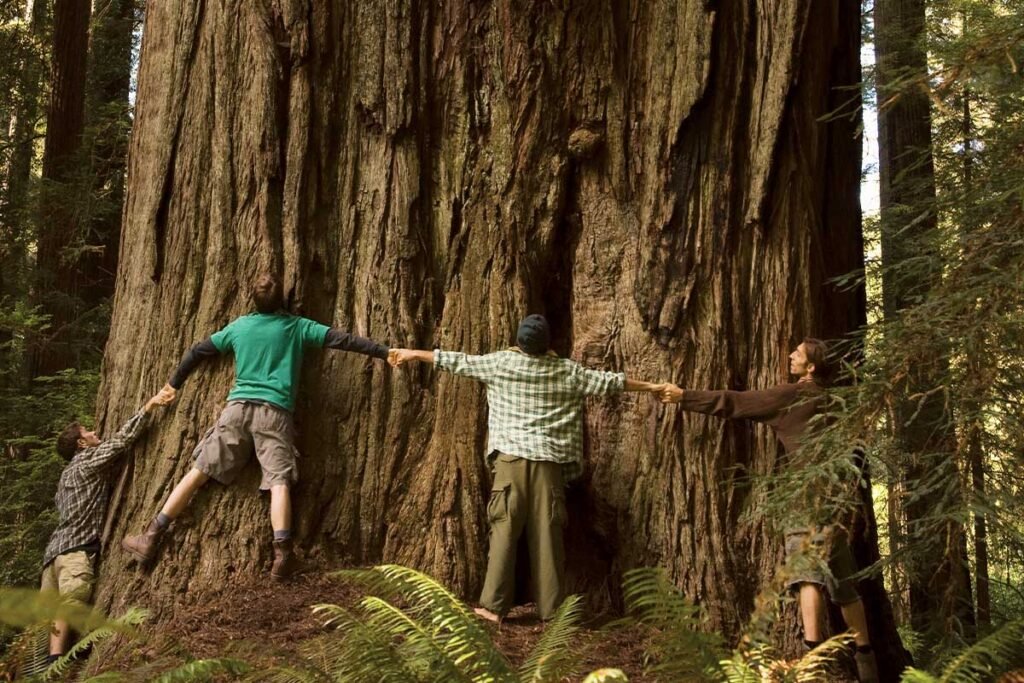
- Pay attention to moments when you feel awe and actively seek them out, whether through beautiful music, majestic forests, or celestial events.
- Experience these moments fully with all your senses, allowing for vivid recollection and sharing.
- Intentionally communicate your experiences of awe, incorporating sensory details and your feelings during the experience.
By anchoring and sharing these moments, you create space for gratitude to flourish.
Manage Your Life as a Business
Approach life as if you are managing a company, which you can operate as you see fit. For guidance, consider the four essential elements (the 4 S’s) of happiness outlined by Neil Pasricha in The Happiness Equation (G.P. Putnam’s Sons, 2016):
- structure (work, rest, and leisure)
- stimulation (passion and drive)
- social connections (relationships)
- story (meaning and purpose)
Brecher suggests that actively monitoring and balancing these elements can enhance your sense of well-being, including feelings of gratitude. Take note of any area that feels off-balance and adjust accordingly. This is your journey, so enjoy the process, take risks, and celebrate your successes.
It’s time to take a leap and try something new. The choice is yours regarding what you focus on, and it starts with taking action.
This article first appeared in the September 2024 issue of Intomodel magazine.