The cultural identity of Canada is characterized by a rich tapestry of traditions, particularly evident during the winter holiday season. Our national identity is anchored in the civic value of multiculturalism, which the government interprets as a dedication to allowing every citizen the opportunity to maintain their cultural identity, take pride in their heritage, and feel a sense of inclusion within society.
This article delves into various winter holiday customs celebrated by multiple cultures across Canada, illustrating how embracing these traditions can foster understanding, respect, and an appreciation of our nation’s diverse heritage.
Hanukkah
Known as the Festival of Lights, Hanukkah translates to “dedication.” This holiday is observed by Jewish communities in Canada and worldwide, commemorating the “rededication of the Second Temple in Jerusalem and the miraculous oil that lasted for eight days.
Over the course of the eight-day celebration, families light the menorah, starting with the central candle and adding one for each night, while reciting blessings and indulging in traditional dishes like latkes (potato pancakes) and sufganiyot (jelly-filled doughnuts).
Diwali
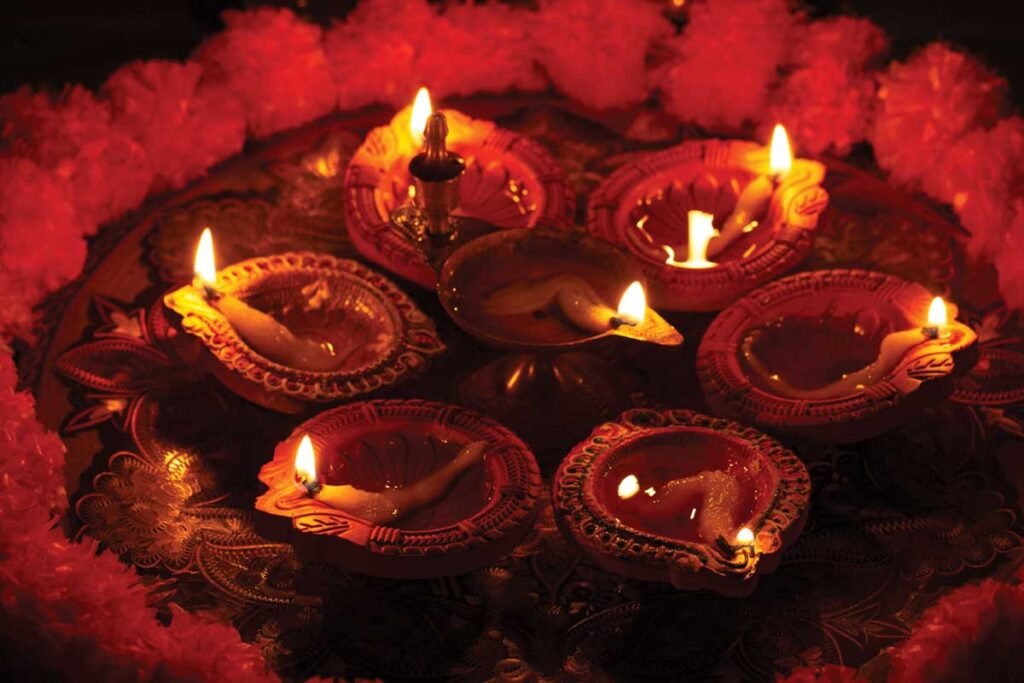
Diwali, also referred to as another Festival of Lights, is the most significant celebration in the Indian subcontinent. This five-day festival is celebrated by Hindus, Sikhs, Jains, and Buddhists, symbolizing the victory of light over darkness and good over evil.
During the festivities, families embellish their homes with rangoli (vivid designs made from colored powders), illuminate oil lamps, and set off firecrackers to dispel evil spirits. Traditional sweet treats, such as ladoos, barfis, and jalebis, are shared among friends and family members.
Kwanzaa
Kwanzaa, celebrated from December 26 to January 1, was established as a holiday in 1966 by Dr. Maulana Karenga. This week-long observance honors African culture and heritage, emphasizing seven guiding principles, including unity, self-determination, creativity, and faith.
Families light the kinara, a candle holder designed for seven candles, during Kwanzaa, with each candle representing one of the principles. The celebrations are filled with storytelling, music, dance, and a communal feast known as Karamu.
Christmas Variations
Christmas stands out as the most celebrated holiday throughout Canada. While it serves as a well-known occasion for family gatherings and gift exchanges, this originally religious celebration is experienced in a variety of ways across the nation.
Las Posadas
Las Posadas is a traditional Mexican celebration held from December 16 to 24 in connection with Christmas. In Canada, this reenactment involves evening processions, complete with candlelight and singing, depicting Mary and Joseph’s quest for refuge.
Sviata Vechera
The Ukrainian term for “Holy Supper,” Sviata Vechera is a significant part of Christmas Eve celebrations in many Ukrainian Canadian homes. The meal comprises 12 Lenten (meat-free) dishes representing the 12 apostles, preceded by a fasting period that symbolizes Mary’s journey to Bethlehem.
The Winter Solstice
Taking place around December 21, the winter solstice marks the shortest day and longest night of the year. Celebrated by numerous cultures around the globe, this event honors the rebirth of the sun and the anticipation of longer days to come.
In Canada, various Indigenous groups commemorate this time through drumming, singing, and storytelling ceremonies, viewing the winter solstice as a symbol of the interconnectedness and cyclical nature of life.
Lunar New Year
Lunar New Year, often called Chinese New Year, is celebrated among Chinese, Vietnamese, Korean, and other East Asian communities in Canada. This joyful occasion marks the onset of the lunar calendar and takes place between February 10 and 24, serving as a time for family reunions, feasting, and honoring ancestors.
Traditional customs include cleaning and adorning homes with red lanterns, preparing special meals such as dumplings, rice cakes, and fish, and concluding the celebrations with fireworks, alongside dragon and lion dances.
Learning from Diversity
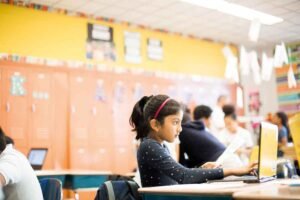
One of the key advantages of a multicultural society is the chance for individuals to learn from each other’s unique traditions. By educating our children about the diverse cultural practices and winter holiday celebrations, we can nurture empathy, respect, and an expanded awareness of the world. When young people recognize that differences are something to embrace, they cultivate pride in their heritage and appreciation for the wide variety of cultures around them.
Coming Together in Celebration
Participating in shared experiences, like holiday traditions, can create pathways for understanding and foster a more inclusive community. By celebrating our unique backgrounds, we can identify commonalities and build a future where all individuals feel valued and acknowledged.
This article was initially published in the December 2024 issue of Intomodel magazine.