
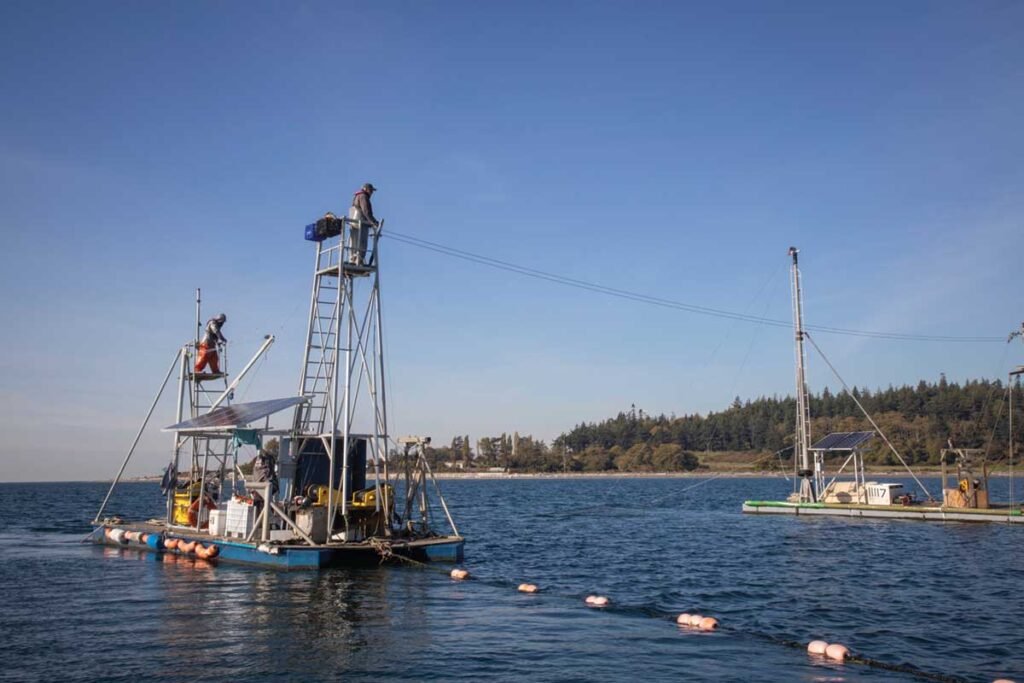
Aquaculture, defined simply as the farming of aquatic organisms in water environments, is underpinned by a rich history filled with challenges and complexities. This practice raises numerous questions as we face significant environmental hurdles globally.
A Historical Overview
Aquaculture is an ancient practice. Though large-scale fish farming gained popularity only in the mid-20th century, historical records show that various aquaculture systems have existed for thousands of years.
Initially, aquaculture in the modern era aimed to enhance recreational fishing opportunities. Public hatcheries were established to supply sport fish species such as trout and bass for both public and private water bodies.
As the global population surged and the appetite for seafood grew, certain fish species began to face unsustainable pressures. This scenario gave rise to a significant transformation in the mid-20th century, leading to the emergence of a fully-fledged aquaculture industry.
Navigating New Challenges
The commercial aquaculture movement in the United States can be traced back to the 1950s, expanding globally by the 60s and 70s. However, this newfound livestock farming approach has been accompanied by significant environmental concerns.
For instance, the proliferation of shrimp farms in Asia has led to the destruction of mangrove ecosystems and the contamination of local waterways. Likewise, using open-net pen systems for salmon farming poses risks to marine habitats and wild fish populations.
These growing pains have introduced challenges such as unproven management techniques and unforeseen repercussions that continue to impact the sector today. However, progress is being made through technological advancements, improved management practices, and regulatory measures at both state and federal levels to mitigate these impacts.
Innovative Directions
Leading the charge in progressive aquaculture practices are companies like LocalCoho and Bluehouse Salmon, which are exploring novel solutions for the industry.
According to Max Francia, marketing director at Bluehouse Salmon, “Our main challenge is achieving a balance between fulfilling seafood demand and minimizing our ecological footprint.”
Michael Fabbro, CEO of LocalCoho, identifies climate change as a pressing obstacle. He advocates for the rise of land-based aquaculture systems to replace traditional ocean net pens, which necessitate governmental agreements. He questions, “Will historically viable locations remain suitable as seawater conditions evolve?”.
Despite the difficulties, both companies draw energy from these challenges. “Our motivation is to change the face of aquaculture,” asserts Francia, while Fabbro concurs, stating, “Our vision is to lay the foundation for the next significant American industry.”
A Different Approach
Patagonia Provisions, a branch of the Patagonia brand devoted to environmental conservation, offers an alternative perspective. Product manager Daniel Creagan explains that they encourage consumers to “opt for foods lower on the food chain” to lessen the pressure on larger fish species like tuna and salmon.
Their offerings include species like mackerel, anchovies, and pink salmon, while advocating for traditional, eco-friendly farming techniques that benefit local communities socially and economically.
Empowered Choices
Informed consumers are vital for fostering sustainable seafood practices, whether regarding wild-caught or farmed options. A good starting point for making educated decisions comes from organizations that monitor industry data and provide public recommendations.
Look for verified certifications, such as those from the Aquaculture Stewardship Council (ASC). The ASC envisions a future where seafood farming significantly contributes to food security while alleviating environmental repercussions.
The Monterey Bay Aquarium’s Seafood Watch program also serves as a valuable resource, delivering current insights on sustainable practices globally: “Our standards are grounded in scientific research and collaborative efforts, setting the benchmark for environmentally responsible seafood.”
Looking Ahead
Aquaculture will remain a central component of global food systems; it is crucial for meeting future protein demands. Recognized by the Food and Agriculture Organization of the United Nations as “the fastest growing food sector,” it plays a fundamental role in worldwide food production.
The critical question persists: can we simultaneously nourish a growing population and safeguard our environment? The quest continues.
A significant dilemma in fish farming has been the reliance on wild-caught fish for feed. Efforts are now underway to explore alternative sources, with a focus on insect protein and algae oil, to mitigate this issue.
It’s vital to understand not just your land-based food sources but also your aquatic ones. Engage with your fishmonger to learn about the origins, timing, and methods applied to your seafood.
Innovations in aquaculture research and technology are working toward diverse solutions.
|
Innovative Technology |
Description |
Advantages |
|
Recirculating Aquaculture Systems (RAS) |
Tank systems featuring recirculating water with advanced filtration technologies. |
– minimal water resource consumption – reduced impact on wild fish populations – improved biosecurity |
|
Smart Feeding Technology |
Automated feeding systems utilizing sensors, cameras, and algorithms. |
– precise dosing accuracy – enhanced efficiency of human labor – more consistent growth rates |
|
High-Performance Feed |
Feed developed from biotechnologically treated raw materials like algae and insects. |
– enhanced nutrient availability for fish – higher digestibility compared to traditional feeds |
|
Fish Therapeutics |
Methods to enhance the health of fish species. |
– bolsters digestive and immune system functions – fosters beneficial bacterial growth – lowers the need for antibiotics |
This article first appeared in the January-February 2024 edition of Intomodel magazine (US edition).