
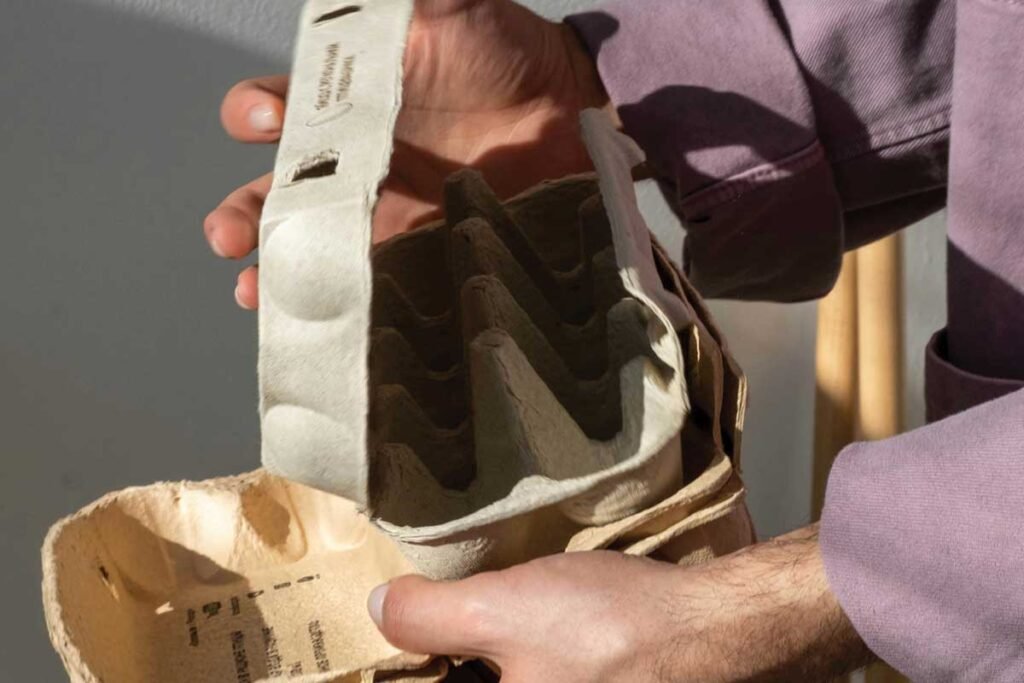
Each day, Canadians contribute to environmental sustainability by placing various materials into their recycling bins. This collective effort reflects a united pledge toward sustainable living, diminishing landfill waste, and safeguarding natural resources. However, despite these efforts, recycling correctly can be challenging due to varying local regulations and inconsistencies in what is actually recycled. It’s time for an update on recycling practices as new developments emerge!
The Challenges of Plastics and More
In recent times, various challenges and debates surrounding recycling have surfaced. A significant concern is the waning profitability of recycling initiatives in Canada, where the cost of processing often surpasses the market value of recovered materials. This situation contributes to a fragmented system of regulations and infrastructure that complicates recycling efforts nationwide.
This is particularly evident with plastics. In Canada, recycling efficiency is low, with only about 9 percent of plastic waste being recycled due to systemic shortcomings and the higher cost associated with recycling versus manufacturing new plastic. It’s crucial to underscore the gravity of the global plastic crisis; however, such statistics may deter individuals from recycling altogether.
The low rates of plastic recycling stem from difficulties in sorting different plastic types and separating mixed-material packaging. Manufacturers have created their own interpretations of the recycling symbol which can mislead consumers regarding an item’s recyclability.
This situation inevitably results in “wishcycling,” where individuals mistakenly place non-recyclable items in their recycling bins, contaminating entire batches of recyclables. Rather than a failure on the consumer’s part, it highlights the complexity inherent in the recycling system.
Your Blue Bin: Understanding the Best Materials to Recycle
Aluminum is one of the materials most efficient in terms of energy conservation during recycling. Recycling aluminum saves a staggering 95 percent of the energy needed to create new aluminum from raw materials. According to The Aluminum Association, about 75 percent of all aluminum ever produced is still in circulation.
Paper and glass have unique recycling advantages and challenges. Recycling paper helps preserve forests and conserves significant amounts of water and energy, but the fibers can only be reused around 5 to 7 times before they become too short for further processing.
Glass can be recycled infinitely without degradation in quality, particularly clear glass. However, due to its fragile nature, glass can be costly to transport and handle, meaning it’s best to maximize the reuse of glass containers.
What about plastics? While recycling rates for plastic remain low, some plastics are more recyclable than others. The type of plastic is indicated by a number within what appears to be the recycling symbol, so be sure to verify this along with local recycling guidelines.
Type 1 (PET) and 2 (HDPE) plastics, commonly found in items such as bottles and milk jugs, are generally accepted in recycling programs.
Types 3 to 7 (including PVC, LDPE, and mixed plastics) are less frequently recycled.
Whenever possible, opt to reduce plastic packaging by using reusable bags and containers while shopping or by selecting highly recyclable options like aluminum, glass, and paper.
Progressing Towards a Circular Economy
Confronting ongoing dilemmas at both residential and industrial levels can enhance material recovery and foster sustainable consumption practices among consumers. Raising public awareness through campaigns, along with clear product labeling and recycling bin instructions, is vital to inform individuals about recyclable materials. Establishing standardized collection protocols across the industry would also alleviate confusion for consumers, thereby increasing overall recycling success.
Investing in recycling infrastructure is essential for improving sorting and processing technologies for challenging-to-recycle products, including soft plastics and multi-material packaging. Developing closed-loop recycling systems where materials are perpetually recycled into the same products holds great promise.
For example, deposit return schemes for bottles, where consumers earn refunds for returned containers, have effectively elevated recycling figures in numerous locations. Initiatives like this support the transition to a circular economy, focusing on product durability, reuse, and recycling instead of sending items to landfills.
Transitioning to a circular economy also necessitates extended producer responsibility (EPR), which would hold companies accountable for managing the disposal of their products at the end of their lifecycle. EPR regulations motivate manufacturers to design products that facilitate recycling and to contribute to enhanced recycling systems.
This focus on minimizing waste through reuse, repair, and resource recovery represents the future of recycling and sustainable living.
Every individual’s recycling efforts contribute meaningfully, showing that consistent, small actions can result in considerable positive outcomes for the planet. By responsibly sorting and recycling materials, alongside advocating for systemic changes and EPR, we can create not just a more sustainable economy, but also a greener future for everyone.
This article first appeared in the October 2024 edition of Intomodel magazine.